Farage Demands Escalation as Middle East Conflict Drives 25 Percent Oil Surge
Reform UK leader advocates for military intervention in Iran while Labour warns of deepening cost-of-living pressures.
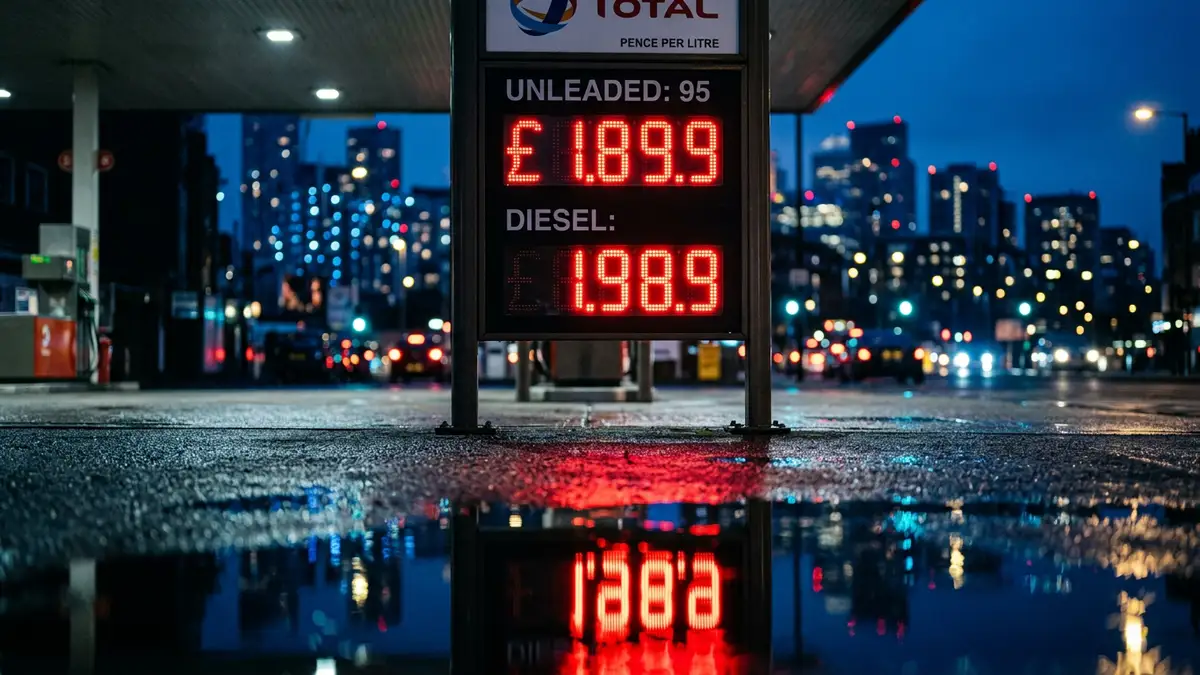
Image: Matt Weston / AI

Carla Rooney
A coordinated US-Israeli military strike on Iranian soil has ignited a regional war and triggered a 25 per cent surge in global oil prices, fracturing the British political landscape over the government’s refusal to join the assault.
Nigel Farage, leader of Reform UK, condemned the British government for its absence from the strike force during a press conference in Buxton. He stood before a bank of microphones and argued that the decision to abstain damaged the nation's reputation among its traditional security allies.
The mission would only be a success if the United States eliminated the nuclear threat from Iran during this specific window of engagement.
The Reform UK leader maintained that the United States and Israel would have proceeded with the assault regardless of the United Kingdom's stance. He asserted that the mission would only be a success if the United States eliminated the nuclear threat from Iran during this specific window of engagement.
Historical precedents for military intervention in the Middle East show that such actions frequently result in immediate and sustained volatility within the Brent Crude index. The current 25 per cent surge mirrors the price shocks observed during the 1973 oil crisis and the 1990 invasion of Kuwait.
Labour Party chairwoman Anna Turley countered the Reform UK leader, stating that the decision to go to war is the most serious a prime minister can make. She accused Farage of spending the past week calling for an escalation that would worsen existing cost-of-living pressures for British households.
The decision to go to war is the most serious a prime minister can make. Farage has spent the past week calling for an escalation that would worsen existing cost-of-living pressures for British households.
A Labour source further claimed that Farage and the Reform Party explicitly advocated for the bombing of Iran throughout the previous week. This political friction occurs as Chancellor Rachel Reeves claimed British citizens would be £1,000 a year better off by the next election than during the final year of Conservative rule.
The economic impact of the strikes throttles the shipping lanes of the Strait of Hormuz. Stakeholders in the energy sector scrutinize this narrow passage, where a significant portion of the world's daily oil supply must transit.
Farage argued that oil prices will only stabilize once military forces successfully secure the Strait of Hormuz. He suggested that the UK's refusal to participate in the initial strikes signaled a retreat from global security responsibilities.
Liberal Democrat leader Ed Davey entered the fray by calling for the King to cancel his scheduled visit to the United States. Davey cited the current geopolitical situation as the primary driver for his demand to halt the royal diplomatic mission.
The current conflict has disrupted the domestic spending power of millions as energy markets react to the February 28 strikes. Government officials have not yet announced a timeline for potential British involvement or specific economic mitigation strategies to offset the price hike.
The Strait of Hormuz remains the primary focal point for global trade analysts. Any further disruption to these shipping lanes threatens to push the 25 per cent price increase even higher, further straining the Treasury's fiscal projections.
Farage remains steadfast in his critique, claiming the UK missed a critical opportunity to align with its most important allies. He continues to push for a more aggressive military posture to resolve the instability in the region.
Anna Turley reiterated that the government's priority remains domestic stability and avoiding unnecessary military entanglements. The Labour Party continues to frame the conflict through the lens of its impact on the British taxpayer.
The escalation represents a significant departure from the diplomatic efforts that characterized the early part of the year. Analysts note that the scale of the US-Israeli operation suggests a long-term shift in how Western powers address the Iranian nuclear programme.
As the conflict enters its next phase, the focus remains on whether the United Kingdom will eventually join the coalition. For now, the 25 per cent surge in oil prices stands as the most immediate consequence of the February 28 strikes.
The Treasury now faces a deficit in its inflation forecasting as Brent Crude hovers at levels not seen since the previous fiscal quarter. Shipping insurance premiums for vessels traversing the Persian Gulf have tripled in the forty-eight hours following the initial bombardment.
In the City of London, traders moved 400 million pounds into gold and defensive assets within the first hour of the market opening. This flight to safety underscores the immediate erosion of confidence in regional stability.
The Ministry of Defence has placed several Royal Navy assets on high alert, though no deployment orders have been issued. This standby status follows the US Fifth Fleet's movement into strike positions near the Iranian coastline.
Energy retailers in the UK have already begun adjusting pump prices, with some forecourts reporting a 5p per litre increase overnight. These adjustments directly impact the disposable income of the 32 million registered drivers across the country.
The geopolitical landscape has shifted toward a more confrontational posture, leaving the UK in a diplomatic vacuum. The coming days will determine if the government maintains its isolationist stance or pivots toward the US-Israeli coalition.