Global Oil Prices Surpass 100 Dollars Following Middle East Conflict
London Markets Retreat as Political Leaders Clash Over Economic Fallout and Energy Security
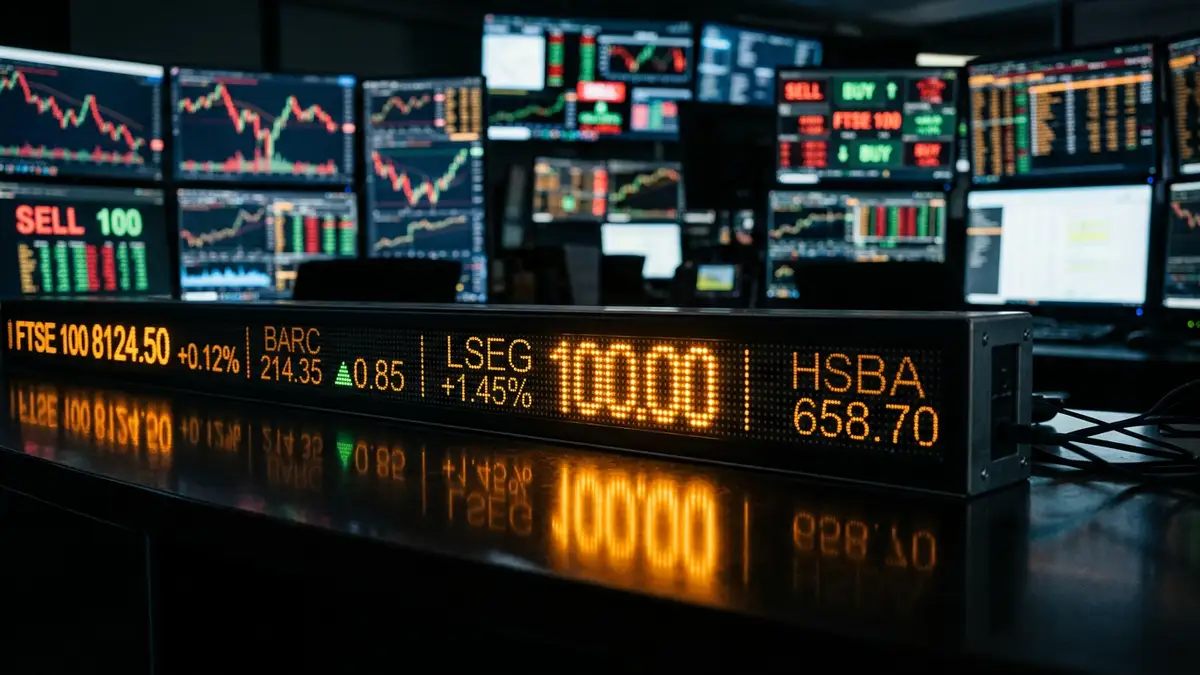
Image: Matt Weston / AI

Sarah Connor
Global energy markets breached the 100-dollar-per-barrel threshold as investors reacted to a US-Israeli assault on Iran and subsequent military reprisals from Tehran.
Market analysts now track the 100-dollar-per-barrel mark as the critical mechanical trigger for global inflation rates and long-term fiscal stability. This price point dictates the cost of raw materials and transport across every major industrial sector.
Prime Minister Keir Starmer confirmed that the risk of domestic damage increases the longer the conflict persists. He noted that the government is preparing for rising utility bills even as it maintains that current oil and gas supplies remain sufficient for immediate needs.
The longer the war in the Middle East continues, the more likely it is there will be economic damage in the UK.
"The longer the war in the Middle East continues, the more likely it is there will be economic damage in the UK," Starmer said. He maintained that the domestic economy is positioned to absorb the projected impact on firms and households.
The current crisis echoes the energy shocks of 1973 and 1979. During those periods, geopolitical instability in the same region led to decade-long inflationary pressures and structural shifts in Western consumption.
History shows that sustained prices above 100 dollars often force central banks to maintain higher interest rates. These measures combat rising transport and manufacturing costs that bleed into the wider economy through increased consumer pricing.
Across the Atlantic, US President Donald Trump dismissed concerns over the price spike. He described the current market movement as a very small price to pay for world peace.
The President stated that prices will drop rapidly once the destruction of the Iran nuclear threat is complete. Trump further asserted that the United States no longer requires certain international alliances following recent military successes.
We don’t need them any longer and that we don’t need people that join wars after we’ve already won!
"We don’t need them any longer and that we don’t need people that join wars after we’ve already won!" the President said. This unilateral stance drew sharp criticism from domestic opponents in the UK Parliament.
Liberal Democrat leader Sir Ed Davey challenged this position, stating that Trump is risking a world war with his current actions. This political friction comes as the UK government faces internal scrutiny regarding its own energy infrastructure.
Current assessments indicate the UK possesses only two days of gas supplies in its immediate reserves. This lean inventory leaves the British energy grid vulnerable to any prolonged disruption of international shipping lanes.
Energy analysts are specifically monitoring the Strait of Hormuz, a vital chokepoint for global oil transit. Any closure or significant interference in this waterway would likely push prices well beyond the current 100-dollar benchmark.
For the British public, the immediate concern lies in the upcoming adjustment of energy price caps. Rising wholesale costs translate into higher monthly outgoings for millions of homes within a single billing cycle.
Manufacturing sectors are bracing for impact as fuel surcharges begin to affect supply chains. The 2% drop in the FTSE 100 tracks the anticipated slowdown in industrial productivity and consumer spending.
The United Kingdom has historically relied on a mix of North Sea production and international imports to maintain its energy balance. The rapid depletion of immediate reserves highlights a strategic gap in the nation's emergency preparedness.
Starmer has reiterated that the British financial outlook faces direct risks from regional instability. He continues to monitor the situation from Downing Street as the military exchange shows no signs of abating.
The shift in US foreign policy under Trump suggests a move toward unilateralism that leaves traditional allies to manage their own energy security. This departure from established diplomatic norms adds a layer of geopolitical uncertainty to a fragile market.
Market participants remain on high alert for the next phase of Iranian reprisals. The physical security of oil platforms and refineries across the Persian Gulf remains the primary variable for price stability.
If prices remain above the 100-dollar threshold, the Bank of England may be forced to recalibrate its growth forecasts for the next fiscal year. The intersection of military action and market reaction dictates the pace of the global economic recovery.
Logistics firms have already begun implementing emergency fuel surcharges to offset the rising cost of diesel. These costs will reach retail shelves by the end of the current fiscal quarter.
The Ministry of Defence has not yet commented on whether Royal Navy assets will be deployed to escort tankers through the Strait of Hormuz. Such a move would mark a significant escalation in the UK's direct involvement in the maritime security crisis.