UK Energy Bills Face £160 Surge as Global Oil Prices Hit Three-Year High
Chancellor Rachel Reeves Convenes Emergency Summit with Industry Chiefs Amid Escalating Middle East Conflict
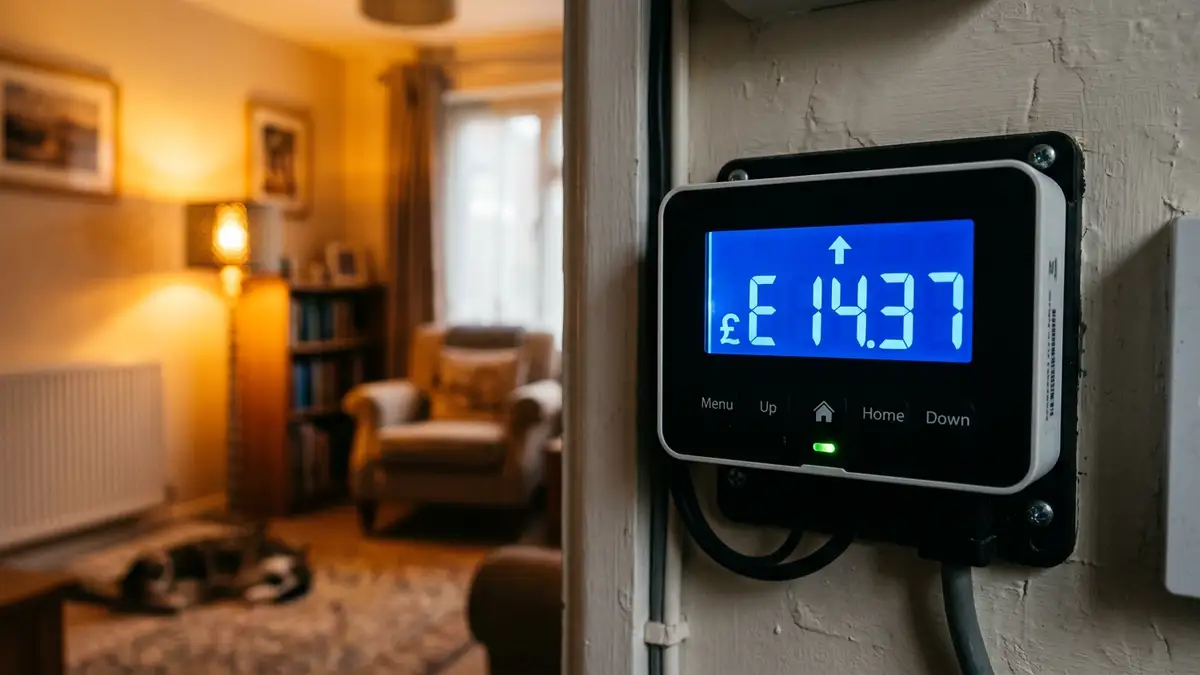
Image: Matt Weston / AI

Callum Smith
British households face a projected £160 annual increase in energy bills as global gas markets reach their highest levels in three years following the commencement of bombing operations in the Middle East.
Chancellor Rachel Reeves held an emergency meeting with oil and gas chiefs to address immediate market volatility. Reeves indicated she may postpone the scheduled replacement of the windfall tax on energy companies to manage the fiscal fallout.
A sustained conflict involving Iran adds one percentage point to national inflation. This shift reverses the recent cooling trends observed in the UK consumer price index.
Annual energy bills will spike by £500 if elevated oil and gas prices persist over the long term. This projection exceeds the £160 increase currently integrated into market forecasts.
Prolonged conflict suppresses UK growth and triggers the first interest rate hike since 2023. The Bank of England faces renewed pressure as energy-driven inflation threatens to breach target levels.
The consequences of actions by Iran hit the UK quickly and painfully.
The conflict involving Iran acts as the primary driver pushing up British energy costs. The UK energy market remains shackled to global price fluctuations despite ongoing domestic production efforts.
The current crisis mirrors previous shocks where international instability dictated the heating and power costs for millions of British citizens. Market mechanisms transmit price spikes in the Middle East to the National Grid with high velocity.
Kemi Badenoch stated that issuing new North Sea licenses could reduce household bills. This proposal targets the friction between domestic energy security and international market reliance.
James Murray noted that energy bills were previously expected to drop by £150 in April following government intervention. That relief now vanished under the shifting geopolitical landscape.
Murray confirmed the current price cap was intended to remain in place for a three-month duration. The volatility in global markets now threatens the stability of this regulatory ceiling.
The Commons Energy Select Committee is scrutinizing the speed at which international shocks transmit to domestic consumers. Lawmakers are measuring the lag time between wholesale price hikes and the impact on monthly direct debits.
Labour MP Graeme Downie stated that the consequences of actions by Iran hit the UK quickly and painfully. He emphasized that geopolitical friction translates directly into the cost of living for his constituents.
Downie noted that those with the least financial resources sustain the most significant impact from these price shifts. This demographic spends a disproportionate percentage of their income on basic utilities.
Industry stakeholders are pressuring the Treasury to provide clarity on the future of the Energy Price Guarantee. Suppliers warn of increased instability in the retail energy sector without firm commitments.
The current market trajectory erases the planned savings scheduled for the spring fiscal quarter. Families who budgeted for a reduction in costs must now prepare for a substantial upward adjustment.
The Middle East conflict remains the central pivot for the UK's economic outlook in the coming months. If the regional instability broadens, the pressure on the Chancellor to intervene will intensify.
The Treasury is evaluating the impact of the 10 per cent surge in Brent crude on the wider manufacturing sector. High energy costs act as a tax on production, threatening the UK's fragile growth targets.
The Energy Select Committee continues its oversight of the resilience of the UK's energy infrastructure. The immediate priority for Downing Street remains mitigating the transmission of global volatility to the domestic kitchen table.