US Military Announces Blockade of Iranian Ports Amid Escalating Tensions
Naval action follows collapse of Islamabad negotiations, raising stakes in critical shipping lanes.
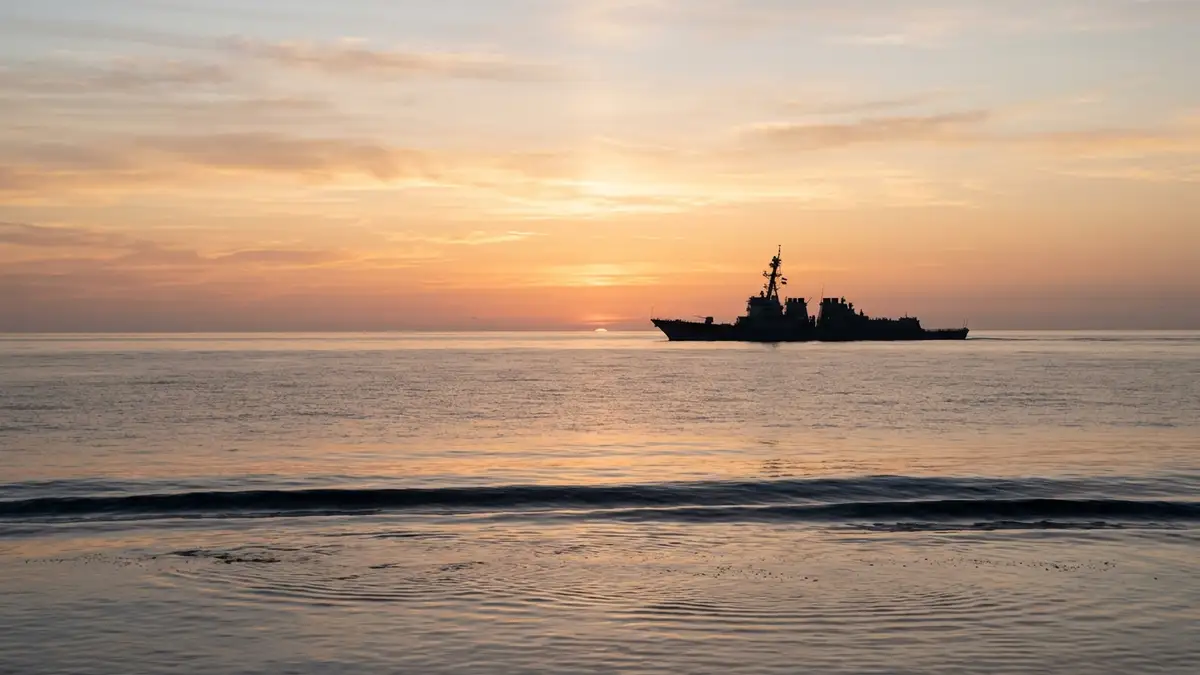
Image: Matt Weston / AI

Callum Smith
The US military announced a blockade of Iranian ports will commence at 10 AM ET (2 PM GMT) on Monday, escalating tensions in the Middle East.
US President Donald Trump declared the US Navy will "blockade any and all ships" attempting to enter or leave the Strait of Hormuz.
Trump further asserted other countries would join in blockading the strait, claiming NATO offered to help "clean out" the vital waterway.
He also stated the UK and a couple of other nations are sending mine sweepers to the strait, predicting the clearance operation will not take long.
Pentagon insiders indicate a more focused, targeted military campaign, coupled with a blockade of the Strait of Hormuz, represents the likely next phase of engagement.
Enmity begets enmity.
Conversely, US Central Command stated US forces will not impede freedom of navigation for vessels transiting the Strait of Hormuz to and from non-Iranian ports.
Meanwhile, Iran's Revolutionary Guard claimed the strait remained under Iran's "full control" and was open to non-military vessels.
Military vessels, the Revolutionary Guard warned, would receive a "forceful response" if they attempted passage.
Iran has started demanding transit fees for tankers passing through the Strait, a move directly challenging international maritime law.
Trump previously threatened to halt tankers from entering or exiting the crucial oil and gas shipping route.
He claimed Iran's unwillingness to reopen the waterway and pledge to abandon its nuclear ambitions caused the breakdown in talks.
Reza Amiri Moghadam claimed the Islamabad Talks laid the foundation for a diplomatic process that, if trust and will are strengthened, can create a sustainable framework for the interests of all parties.
However, Iran's foreign minister, Abbas Araghchi, stated, "Enmity begets enmity," signaling a hardening stance from Tehran.
The historical context of the Strait of Hormuz as a flashpoint dates back decades, with past naval confrontations and mine-laying incidents shaping regional security doctrines.
This current blockade evokes memories of the 1980s 'Tanker War,' where international navies protected shipping from attacks during the Iran-Iraq War; the waterway's strategic importance endures.
For global stakeholders, particularly oil-importing nations, the blockade introduces significant economic uncertainty, potentially driving up crude prices and disrupting supply chains.
Trump's ambition to deploy the Navy to blockade the strait is wholly unrealistic, asserting Trump will be forced to make concessions with Iran.
Andreas Krieg claimed Trump's ambition to deploy the Navy to blockade the strait is wholly unrealistic, asserting Trump will be forced to make concessions with Iran.
Looking ahead, the blockade could reshape maritime trade routes and accelerate efforts by some nations to reduce their reliance on Middle Eastern oil, impacting long-term energy landscapes.
The UK is working with France and other partners to form a coalition to protect freedom of navigation, signaling a broader international response to the escalating situation.
Trump claimed the only major targets left are Iran's water systems—desalination plants—and their electric generating facilities, outlining potential future escalations.