Iran Blocks Strait of Hormuz as Mojtaba Khamenei Issues Regional Ultimatum
Tehran demands closure of US bases and reparations following reports of leadership casualties and maritime strikes
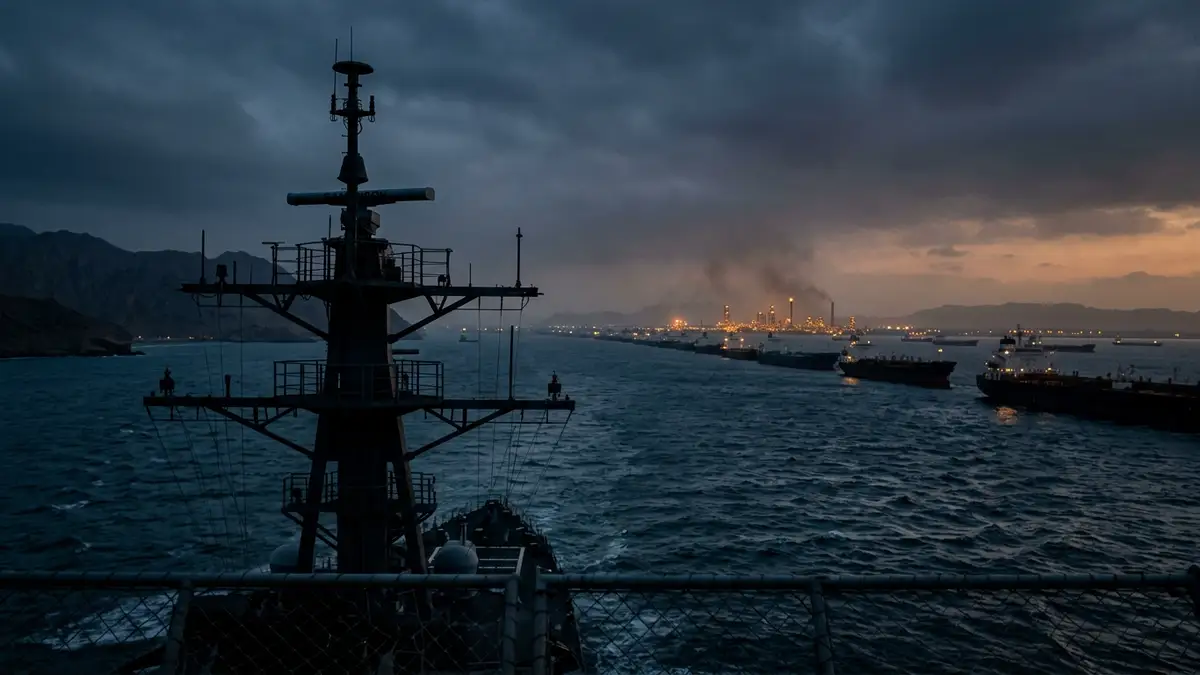
Image: Matt Weston / AI

Carla Rooney
Iran has formalised a total blockade of the Strait of Hormuz, deploying naval assets to shut down a maritime chokepoint that facilitates 20 percent of the world’s petroleum liquids.
The Revolutionary Guards claimed direct responsibility for an assault on a Thai bulk carrier. Commanders stated the vessel was set ablaze after its crew disobeyed specific maritime orders issued by the patrol units.
This blockade weaponizes a geography that saw similar friction during the 'Tanker War' of the 1980s. By obstructing this 21-mile-wide passage, Tehran aims to force a total reversal of Western military policy in the Middle East.
The Islamic Republic will avenge the blood of its martyrs and promised further strikes if the American presence remains.
Mojtaba Khamenei demanded the immediate and unconditional closure of all United States military bases in the region. He stated that the Islamic Republic will avenge the blood of its martyrs and promised further strikes if the American presence remains.
The ultimatum arrives amid intense scrutiny regarding the fate of Supreme Leader Ayatollah Ali Khamenei. While the state maintains the new orders originate from him, the leader has not appeared on camera to verify his condition.
Israeli intelligence assessments suggest the leadership was compromised during the opening salvo of the conflict. Reports indicate the elder Khamenei was wounded, while opposition figures claim he is currently in a coma after losing a limb.
Alternative intelligence suggests the leadership has retreated to a hardened, secret location to evade a targeted Israeli neutralization operation. Mojtaba Khamenei himself reportedly sustained injuries in a separate air strike during the recent hostilities.
The violence has shattered civilian sectors, notably at the Beirut waterfront in Lebanon. An Israeli strike on Ramlet al-Bayda killed 12 people and left 28 others wounded, according to local medical officials.
British forces have also been drawn into the widening theatre of operations. Defence officials confirmed that UK troops came under direct fire from an Iranian drone storm as the conflict transcends local borders.
In Dubai, the friction has manifested in legal crackdowns on foreign nationals. Authorities arrested a British man for filming missiles; Radha Stirling, CEO of Detained in Dubai, confirmed he remains in custody despite deleting the footage.
President Masoud Pezeshkian tethered any potential ceasefire to the international recognition of Iran’s rights. He demanded that the global community pay reparations and provide ironclad guarantees against future incursions.
Mojtaba Khamenei reinforced this financial demand, threatening the systematic destruction of American assets if compensation is not paid. He characterized the Pentagon's regional footprint as a mechanism for permanent dominance.
The 'enemy' has spent years establishing financial and military hubs to secure regional control. Gulf leaders would see an increase in sovereign wealth by terminating these Western alliances.
The Iranian leadership is now applying intense diplomatic and military pressure on Gulf neighbors to sever ties with Washington. Khamenei claimed that attacks on these nations would cease only if they expelled American forces from their soil.
He argued that the 'enemy' has spent years establishing financial and military hubs to secure regional control. Khamenei asserted that Gulf leaders would see an increase in sovereign wealth by terminating these Western alliances.
Despite the ongoing kinetic operations against merchant shipping, Tehran maintains an official rhetoric of friendship toward its immediate neighbors. This diplomatic posture sits in direct opposition to the armed speedboats currently enforcing the blockade.
The Revolutionary Guards continue to patrol the Strait of Hormuz, using high-speed interceptors to maintain the shutdown. These units serve as the primary instrument for Tehran’s strategy of inflicting global economic pain to secure a strategic victory.
The 21-mile-wide choke point remains a graveyard of burning steel and broken logistics. Global markets now face the reality of a sustained Iranian interdiction that shows no sign of receding without total Western withdrawal.