Iran Mobilizes Missile Batteries in Strait of Hormuz as Nuclear Talks Pivot to Geneva
Tehran projects maritime dominance through ballistic wargames while negotiators hammer out a framework for atomic de-escalation

Sarah Connor
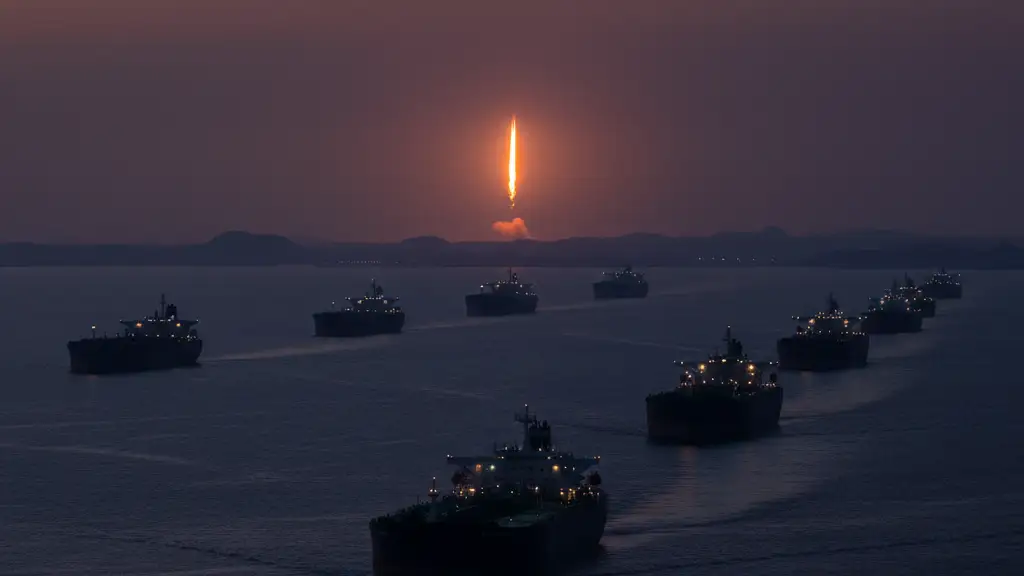
Iran launched a massive display of military force in the Strait of Hormuz, firing missiles from the interior and coastline to strike targets across the world’s most vital oil artery.
Despite these tentative steps toward peace, the United States is aggressively surging naval power into the region by deploying a second aircraft carrier to Middle Eastern waters. The USS Gerald R. Ford, the world’s largest and most technologically advanced warship, is currently steaming toward the theater with an expected arrival within three weeks.
Tehran responded to this American buildup with a sharp ultimatum, warning it possesses the tactical capability to shut the Strait of Hormuz entirely if Washington initiates a military strike. This threat weaponizes the world's most vital energy artery, turning a geographic choke point into a geopolitical kill zone.
It possesses the tactical capability to shut the Strait of Hormuz entirely if Washington initiates a military strike.
Iranian officials continue to maintain that their nuclear program remains strictly peaceful in nature. Conversely, the U.S. and its European allies remain unconvinced, suspecting the Islamic Republic is secretly accelerating its trajectory toward a functional nuclear weapon.
The Geneva negotiations focus heavily on the potential lifting of crippling economic sanctions in exchange for verifiable, ironclad limits on Iran's nuclear activities. While both sides reported tangible progress during the recent sessions, the most volatile details remain unresolved and subject to future debate.
Intelligence suggests the U.S. may be bracing for retaliatory Iranian ballistic missile strikes should a kinetic conflict erupt in the maritime corridor. This contingency planning underscores the fragility of the current peace, where one stray missile could incinerate months of diplomatic labor.
Historical tensions loom large over these talks, recalling when former President Trump reportedly pledged support for Iranian protesters during previous periods of domestic unrest. He was ultimately dissuaded by Israeli and Arab allies who feared the region was not yet prepared for the fallout of a full-scale war.
Internal pressures continue to mount within Iran, where activists report a staggering death toll of at least 7,015 people following a bloody crackdown on domestic demonstrations. This internal hemorrhaging of stability adds a layer of desperation to the regime's external posturing.
Many of these fatalities occurred during a single, horrific overnight surge of violence between January 8 and 9. This event marked a dark chapter in the nation's internal stability, leaving a scar on the social fabric that no diplomatic treaty can easily heal.
The Iranian government recently announced plans for a memorial at the Grand Mosalla mosque in Tehran to mark 40 days since the unrest began. This public mourning serves as a state-sanctioned attempt to reclaim a narrative that has largely slipped from their control.
State officials attributed the demonstrations to violent actions orchestrated by armed groups under the direct instruction of foreign intelligence agencies. By externalizing the blame, Tehran seeks to delegitimize the grievances of its own populace while maintaining a hardline stance against Western influence.
Violent actions orchestrated by armed groups under the direct instruction of foreign intelligence agencies.
The current wargames in the Gulf serve as a visceral counterpoint to the diplomatic theater in Switzerland. They signal to the world that Tehran will not negotiate from a position of perceived weakness or submission.
The Strait of Hormuz remains a geopolitical choke point where a single miscalculation could ignite a global energy crisis. Disrupting this passage would effectively sever the flow of one-fifth of the world's oil supply, plunging global markets into chaos.
By demonstrating its ability to strike targets throughout the corridor, Iran is effectively raising the stakes for the Western negotiators sitting across the table in Geneva. This strategy of 'coercive diplomacy' ensures that every concession is weighed against the threat of total regional disruption.
The arrival of the USS Gerald R. Ford will test the resilience of the newly established 'guiding principles' as both nations balance on the edge of a naval standoff. The sheer mass of the carrier serves as a floating fortress of American intent, challenging Iranian sovereignty in the very waters Tehran claims to dominate.
Whether the diplomatic framework can survive the friction of this military posturing remains the central question for global security. The world watches to see if the pen in Geneva can truly outmaneuver the sword in the Persian Gulf.