Ofgem Slashes Energy Price Cap as Government Scraps Policy Levies
Millions of households to see annual bills drop by £117 starting in April following the removal of the Energy Company Obligation scheme.
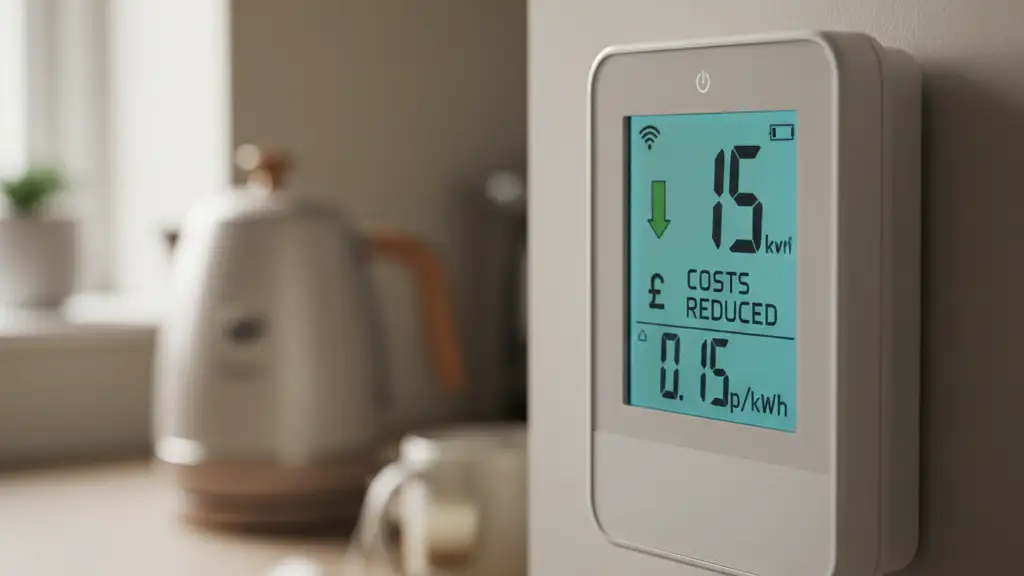
Image: Matt Weston / AI

Sarah Connor
Energy bills for millions of households across England, Scotland, and Wales will fall by £117 a year this April as the regulator enforces a seven per cent drop in the price cap.
Families paying by direct debit will see their average costs settle at this new baseline as the market adjusts to lower wholesale pressures.
This adjustment follows a period of sustained volatility that saw household budgets stretched to their breaking points.
I can tell you today that, for every family we are keeping our promise to get energy bills down and cut the cost of living.
Chancellor Rachel Reeves initiated this fiscal pivot during the November Budget by announcing the removal of specific policy levies.
The government is specifically scrapping the Energy Company Obligation (Eco) scheme to force a reduction in consumer overheads.
"I can tell you today that, for every family we are keeping our promise to get energy bills down and cut the cost of living with £150 cut from the average household bill from April next year," Reeves stated.
This intervention marks a departure from previous years of rising green levies and infrastructure costs.
Beyond the political rhetoric, the mechanics of the price cap dictate the maximum price for gas and electricity units rather than total bills.
The average unit rate for gas is falling from 5.93p per kilowatt hour (kWh) to 5.74p per kWh.
Electricity standing charges are also decreasing from 35.09p a day to 29.09p.
Ofgem confirmed a pilot for lower standing charge tariffs will begin this spring to address the fixed costs that have long burdened low-usage households.
Prime Minister Sir Keir Starmer linked the reduction directly to recent legislative interventions in the energy market.
He noted that bills have remained too high for too long and cited the last budget as the primary driver for the current relief.
"I promised to bring bills down and I meant it. And today – because of the actions this Government took at the last budget – the price cap on energy bills has come down by £117," Starmer added.
I promised to bring bills down and I meant it.
Despite the reduction, the £117 figure falls short of the £150 average cut previously pledged by the Chancellor in November.
Cornwall Insight data shows the final reduction is lower than the initial government target set during the budget announcement.
Cornwall Insight expects the price cap to remain relatively steady throughout 2026.
Their data suggests a small fall may occur in July, though wholesale prices have recently risen slightly, creating a volatile floor for future adjustments.
Industry stakeholders warned that the impact will vary across the population based on consumption patterns.
The specific cut to a bill depends on the size and type of household and the volume of energy consumed by the residents.
Which? energy editor Emily Seymour said households can expect a significant cut in April.
She noted this will provide relief to millions struggling with cost-of-living pressures that have persisted since the 2022 energy crisis.
The End Fuel Poverty Coalition stated that while some fixed tariffs will include the latest cut, others will not.
This discrepancy could make switching and fixing tariffs more difficult for consumers to gauge in a fragmented market.
Uswitch director of regulation Richard Neudegg said consumers could save £200 a year by combining government changes with market switching.
EDF has already launched a deal aimed at saving average households £100 annually to compete with the new cap.
Energy UK chief executive Dhara Vyas said companies can help, but other advocates raised concerns regarding vulnerable groups.
Dame Clare Moriarty of Citizens Advice highlighted specific risks to the Warm Home Discount.
Moriarty said planned changes to cost recovery mean households on low incomes with high energy needs could keep as little as half the support in practice.
She noted this affects those who need the assistance most during the transition.
The Department of Energy Security and Net Zero maintained that tackling energy affordability is the administration's primary focus.
A spokesperson described the current price drop as just the start of a broader process to decouple bills from global gas spikes.
Ofgem will announce the subsequent price cap for July by May 27, 2026.
This next window will determine if the downward trend continues or if global market pressures force a rebound.
Dr. Craig Lowrey of Cornwall Insight said the real test will be maintaining these savings over the long term.
The structural removal of the Eco scheme represents a permanent change to the bill makeup, but wholesale volatility remains a constant threat.