Stranded Vessels in Hormuz Strait Threaten Global Marine Ecosystems
Over 1,500 commercial ships trapped in the Gulf since February raise alarms over potential bioinvasion event.
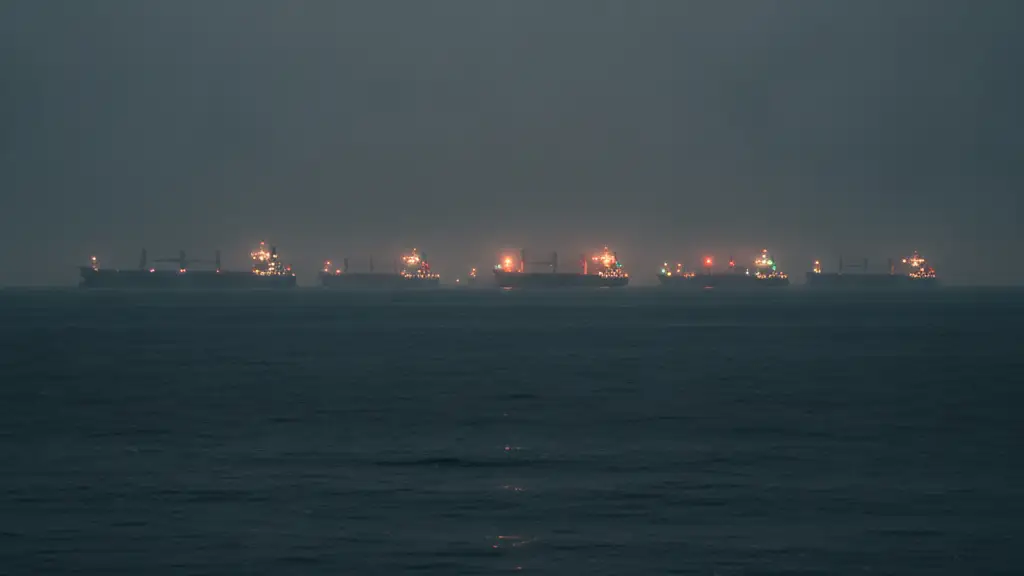
Image: Eddie Pollard / AI

Callum Smith
The prolonged closure of the Strait of Hormuz has left over 1,500 commercial vessels anchored in the Gulf, creating an unprecedented ecological risk.
This prolonged maritime paralysis disrupts global trade, triggering substantial humanitarian, economic, and geopolitical impacts. Scientists confirm an unfolding ecological crisis, warning that the extended layover creates conditions conducive to a potential global marine bioinvasion 'super-spreader' event.
Ships typically anchor for only one to three days, a period that effectively limits the growth of organisms on their hulls. However, the months-long lay-up has facilitated significant biofouling.
Researchers indicate individual ships may have already released millions of larvae into Gulf waters. The Gulf already stands as a known hotspot for marine invasions, with previous studies identifying non-native species introduced by commercial shipping.
Harmful algal blooms, including Margalefidinium polykrikoides, recur near Bandar Abbas and Qeshm Oil Terminals, further complicating the marine environment. Ship ballast water also serves as a major pathway for introducing non-native algal species to the region.
Thousands of stranded ships could spread invasive marine species across the world’s oceans once they resume sailing. Researchers warn that departing vessels carrying barnacles, algae, mussels, and other organisms could introduce invasive species.
These invasive species outcompete native wildlife, spread disease, and permanently alter marine ecosystems. The barnacle Amphibalanus improvisus, for instance, releases up to 36 larvae per adult per day at 30C.
Mario Tamburri indicated that invasive species can devastate fisheries, clog the cooling systems of power plants, and cost billions of dollars a year to manage.
Mario Tamburri stated, invasive species can devastate fisheries, clog the cooling systems of power plants, and cost billions of dollars a year to manage. As shipping resumes, organisms in ballast water, along with parasites and pathogens in 'biofouling communities' colonising ships’ hulls, could spread rapidly through the global shipping network.
The International Maritime Organization (IMO) recommends ship operators follow IMO biofouling guidelines to mitigate such risks. Researchers confirm ships remaining idle in the Gulf may accumulate and facilitate the extensive spread of economically and ecologically damaging invasive species.
These species will then re-enter the global shipping network. Mario Tamburri warned that if authorities fail to act, some of the world’s most valuable marine habitats could suffer lasting damage.
Tamburri further confirmed, some of these habitats are likely to be impacted and perhaps damaged beyond repair.