Global Energy Markets Shaken as Strait of Hormuz Transit Halts
Brent crude hits eighty dollars per barrel while wholesale gas prices surge ninety-three percent in a single week
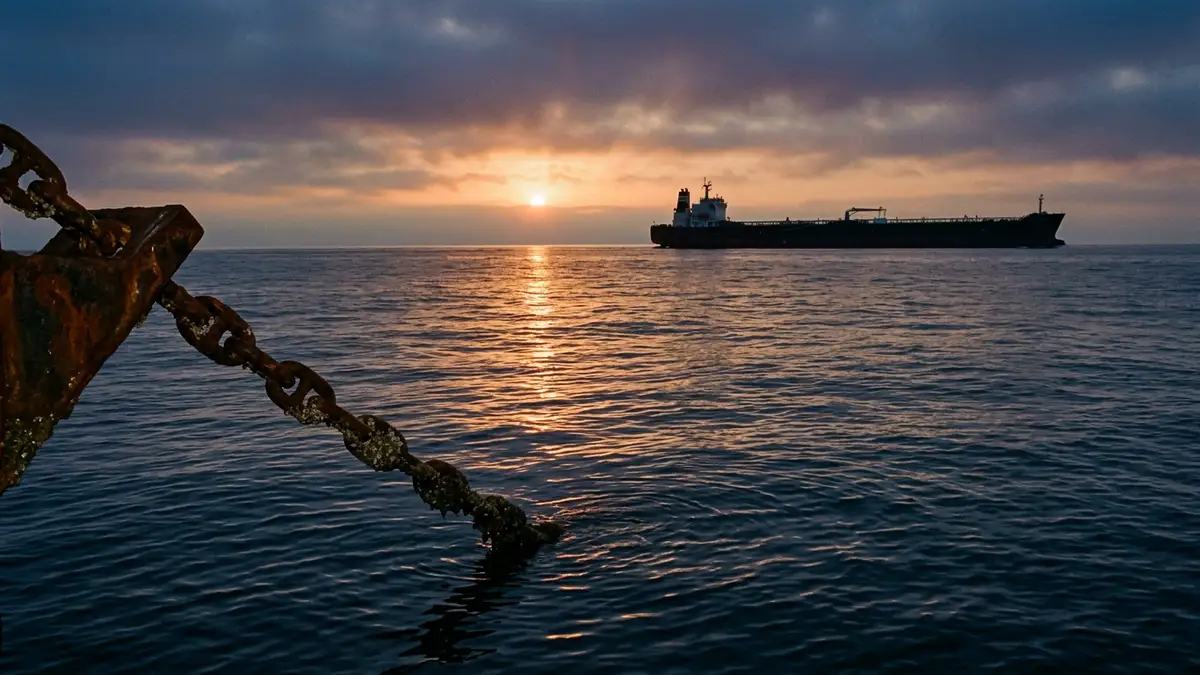
Image: Matt Weston / AI

Sarah Connor
Shipping through the Strait of Hormuz came to a complete halt on Tuesday, triggering a 3.2 percent spike in Brent crude prices to $80 per barrel.
Sanne Manders, president of the logistics platform Flexport, confirmed the strait is effectively closed to all commercial traffic. This total halt follows a series of kinetic attacks that crippled several vessels in the region.
The capital hemorrhage from the blockade manifested immediately across the global shipping sector. The cost of chartering a supertanker to haul oil from the Middle East to China rocketed past $400,000 on Monday.
Stock markets across Europe and Asia maintained a steep downward trajectory as energy costs spiked. Investors liquidated positions in response to the sudden restriction of the primary artery for global energy distribution.
In London, the impact slammed into the street level as petrol stations exhausted their fuel supplies. The AA advised drivers against panic buying of petrol and diesel despite the visible shortages at the pumps.
Iran would set fire to any entity attempting to force passage through the strait.
The AA stated that fuel prices will inevitably climb following the outbreak of the regional conflict. This price pressure injects fresh volatility into a British economy already struggling with inflationary headwinds.
Ebrahim Jabbari, an adviser to the commander-in-chief of Iran’s Islamic Revolutionary Guard Corps, issued a direct threat to all maritime operators. He stated Iran would set fire to any entity attempting to force passage through the strait.
Jabbari warned that ships must avoid the region entirely to escape destruction. He noted that any vessels entering the contested waters will face a lethal response from Iranian naval forces.
Sardar Jabbari, a senior military commander, expanded the scope of the threat to include regional infrastructure and Western assets. He stated the military will launch missiles at Cyprus with an intensity designed to force the American military to abandon the island.
An Iranian official confirmed that no ships will receive permission to pass through the Strait of Hormuz under current conditions. This blockade effectively isolates major oil producers from their primary export markets in the West and Asia.
Secretary of State Marco Rubio announced that Washington will outline specific kinetic and diplomatic steps to address the maritime blockade. The United States government is currently evaluating strategic military options to reopen the waterway by force if necessary.
Rubio further stated that the administration will announce plans to manage the impact of rising energy prices on the domestic economy. These measures aim to insulate American consumers from the immediate shock of the 93 percent gas price surge.
The conflict could last up to four weeks. He warned that a larger wave of escalation is coming soon, characterizing the current blockade as the opening phase of a broader crisis.
President Donald Trump stated the conflict could last up to four weeks. He warned that a larger wave of escalation is coming soon, characterizing the current blockade as the opening phase of a broader crisis.
Trump noted that sustained oil prices at current levels will lead directly to increased fuel costs for every consumer. This assessment aligns with the rapid market movements observed in London and other major global trading hubs.
Jorge Leon of Rystad Energy noted that oil tankers remain vulnerable targets in the current maritime environment. The physical fragility of these massive vessels dictates the current halt in commercial traffic across the region.
John Stawpert of the International Chamber of Shipping stated that the shipping industry is moving to adapt to the crisis. However, the immediate logistical hurdles remain insurmountable as long as the strait remains impassable to tankers.
OPEC faced accusations of profiteering from the Middle East crisis as supply constraints drove prices upward. The organization has not yet moved to increase production to offset the loss of volume resulting from the blockade.
Economic experts stated that escalating oil prices will trigger higher costs for consumers across the entire British economy. The ripple effect of the energy spike is expected to hit the manufacturing and transport sectors within 48 hours.
The closure represents a violent shift in the geopolitical landscape of the Middle East. As missiles are aimed at Cyprus and tankers remain anchored in fear, the global energy market remains in a state of high-velocity flux.