Fuel Prices Surge 10p as Global Conflict Disrupts Energy Markets
Government officials threaten intervention against fuel providers amid rising costs and potential duty hike reversals.
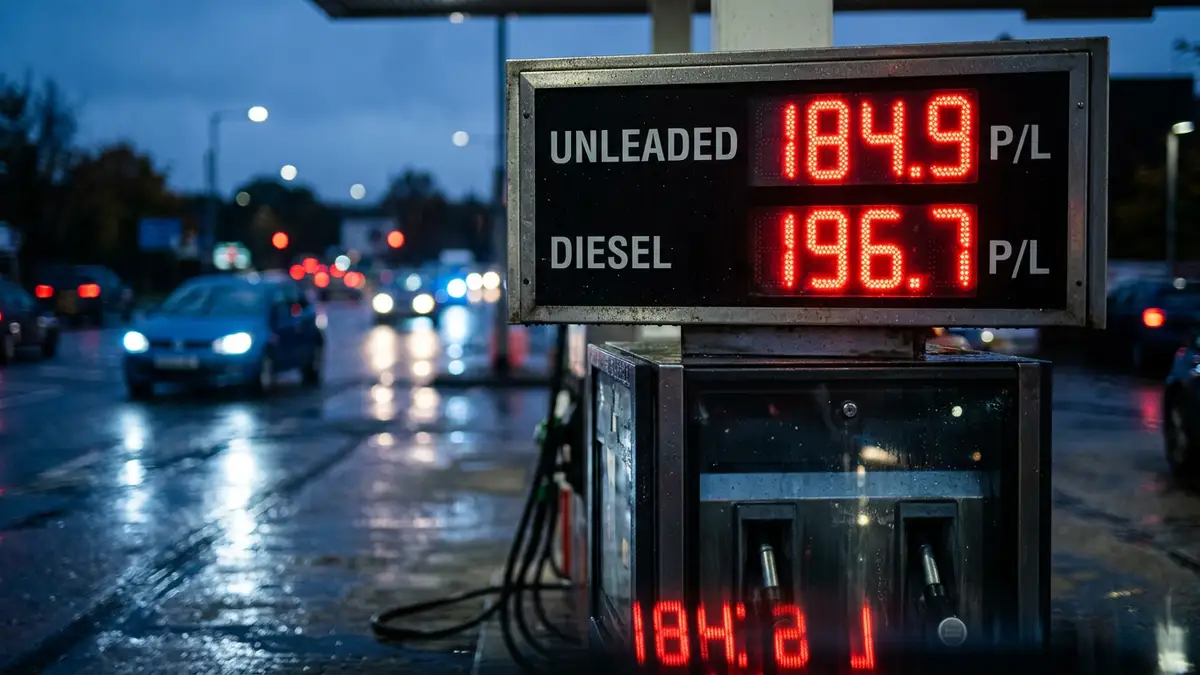
Image: Matt Weston / AI

Carla Rooney
Petrol prices climbed 10p per litre following the onset of oil price turmoil linked to the US-Israel conflict in Iran.
Economic pressure surges as the 10p per litre increase filters through every sector of the domestic market.
British drivers pay the highest fuel taxes in the world and require immediate respite from these costs, according to Howard Cox.
The Treasury faces immediate demands from campaigners to slash fuel duty and protect families struggling with the cost of driving.
The best way to open the Strait of Hormuz is to deescalate this war.
Data from FairFuelUK shows rising bills forcing households to strip essentials like food, leisure, and healthcare from their budgets.
The organization tracked a fuel crisis that now restricts hospital visits as families reshape daily life to manage expenses.
This contraction in household spending mirrors historical energy shocks where fuel costs dictated the domestic budget.
Energy Secretary Ed Miliband stated that ministers will stand by the public during this crisis.
Miliband asserted the government will not tolerate unfair practices within the energy sector.
Ministers identified specific instances of rip-off pricing and profiteering by fuel providers during the price spike.
These observations triggered a direct confrontation between the state and private energy suppliers.
Prime Minister Sir Keir Starmer confirmed the government will step in if fuel companies attempt to rip off customers.
The Conservative Party reserves the right to call for direct government intervention, according to Claire Coutinho.
Liberal Democrat leader Sir Ed Davey stated that the best way to open the Strait of Hormuz is to deescalate this war.
The maritime corridor remains a critical chokepoint for global energy security and price stability.
This strategic shift follows a period of extreme volatility in global crude markets.
The government has not yet finalised the timeline for the potential duty hike reversal, leaving pump prices in flux.
The United Kingdom enforces a high-tax environment for hydrocarbons to meet fiscal targets.
The current 10p surge threatens to break the threshold of affordability for rural and low-income commuters.
Logistics industry stakeholders warn that these costs will translate into higher shelf prices at supermarkets.
The government will step in if fuel companies attempt to rip off customers.
The transport sector operates on thin margins and cannot absorb a 10p per litre increase without passing it to the consumer.
Public pressure builds on Downing Street to provide a definitive roadmap for the fuel duty freeze.
Market uncertainty continues to drive speculative pricing at the forecourt in the absence of a clear signal.
The Strait of Hormuz conflict functions as the primary driver for this domestic financial strain.
International diplomacy now dictates the price of a school run in the Midlands or a delivery in London.
Howard Cox emphasized that the burden on the British motorist has reached a breaking point.
He noted that the current tax structure leaves no room for the sudden shocks delivered by the global market.
The Treasury now balances the loss of projected tax revenue against the risk of a wider economic slowdown.
A reversal of the duty hike would represent a significant pivot in fiscal policy to address the energy emergency.
Ed Miliband signaled that the government's patience with energy retailers is wearing thin.
The threat of intervention remains a primary tool for the administration as they monitor daily price fluctuations.
As the conflict in Iran persists, the risk of further disruptions to the global supply chain remains high.
This geopolitical instability ensures the 10p increase may only be the beginning of a longer period of energy insecurity.
The government monitors fuel providers to ensure global price drops reach consumers as quickly as increases.
Sir Keir Starmer positioned the administration as a shield against corporate profiteering during this period of international tension.