UK Forecourt Rule Change Signals First Fuel Duty Hike in 15 Years
Labour moves to end the 15-year levy freeze as global oil prices surge past $100 a barrel, adding hundreds to household transport costs.
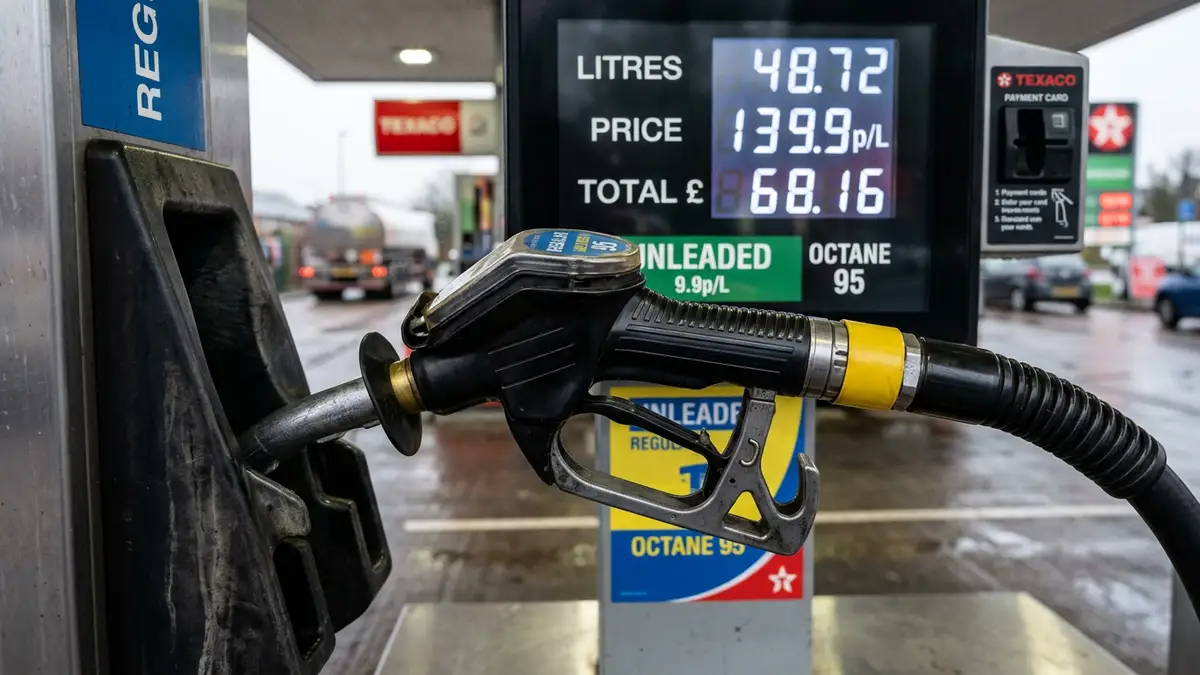
Image: Matt Weston / AI

Carla Rooney
A scheduled regulatory shift on UK forecourts this September will trigger the first fuel duty increase in nearly 15 years, ending a decade-long freeze on the levy.
Global energy markets are compounding domestic pressure as oil prices surged over 20 per cent to exceed $100 a barrel. Natural gas prices simultaneously climbed by more than 50 per cent.
This spike tightens the financial squeeze on household energy budgets nationwide. Calculations show the annual fuel duty charge for a petrol car travelling 7,400 miles per year will rise from £495 to £573 over the next three years.
Conservative Party officials stated the hike will cost families an additional £156 a year in total expenses once the full increase takes effect.
Shadow Transport Secretary Richard Holden said the move will hit commuters and hammer hauliers while pushing up prices in every shop in Britain.
The government is forcing drivers to pay for economic incompetence through these aggressive fiscal measures.
Holden stated the government is forcing drivers to pay for economic incompetence through these aggressive fiscal measures.
The Treasury is currently considering a reversal of the planned hike as internal pressure mounts from various political factions.
A Treasury spokesman countered the opposition, stating the department does not recognise the specific calculations provided by critics.
Energy Secretary Ed Miliband said the government would stand by people in this crisis but stopped short of committing to a continued fuel duty freeze.
The fuel sector endures an unprecedented period of volatility with wholesale costs rising sharply for all providers, according to an Asda spokesman.
TaxPayers’ Alliance researcher Anne Strickland said motorists expect fuel duty proceeds to go toward filling potholes rather than plugging budget deficits.
Strickland stated that the Chancellor needs to stop the hike immediately to avoid pouring petrol on an already volatile economic fire.
The Chancellor needs to stop the hike immediately to avoid pouring petrol on an already volatile economic fire.
Haulage firms and logistics providers face immediate margin compression as the staged increases begin their rollout in September.
These firms operate on razor-thin margins where minor fluctuations in fuel costs dictate the final price of consumer goods.
The historical freeze provided a predictable cost floor for the UK logistics network for nearly a decade and a half.
By removing this floor, the government introduces a variable that has been absent from corporate balance sheets since the late 2000s.
The 5p increase alters the Treasury's approach to transport taxation. This move signals a definitive end to the era of protected pump prices.
The impact on the retail sector is expected to be immediate as transport costs move directly down the supply chain.
Every item on a supermarket shelf carries a hidden transport premium that fluctuates with the price of diesel and petrol.
Public pressure is mounting on Downing Street to provide a definitive timeline for the staged increases as the deadline approaches.
Motorists are already adjusting their spending habits in anticipation of the September deadline and the subsequent price shocks.
The Asda spokesperson noted that volatility in wholesale markets makes it difficult for retailers to absorb these tax increases.
This suggests that the 5p duty hike will be reflected at the pump almost immediately upon implementation.
Anne Strickland emphasised that the public perception of fuel duty is tied directly to the physical quality of the road network.
Diverting these funds to address the national budget deficit remains a point of significant contention among advocacy groups.
The Treasury remains locked in internal discussions regarding a potential last-minute policy pivot to avoid public backlash.
The current trajectory points toward a definitive end to the 15-year freeze this September regardless of the internal debate.
Commuters in rural areas, who lack robust public transport alternatives, face the highest proportional impact from the rising levy.
For these households, the car is a necessity rather than a luxury, making the tax increase an unavoidable financial burden.
As oil remains above the $100 threshold, the synergy between global market forces and domestic tax policy creates a dual-front economic challenge.
The government must now balance fiscal recovery against the rising cost of living for millions of citizens.