Reeves Signals Emergency Support as Heating Oil Prices Double Amid Gulf Conflict
Chancellor weighs intervention for off-grid households as Strait of Hormuz disruption triggers 130p per litre surge
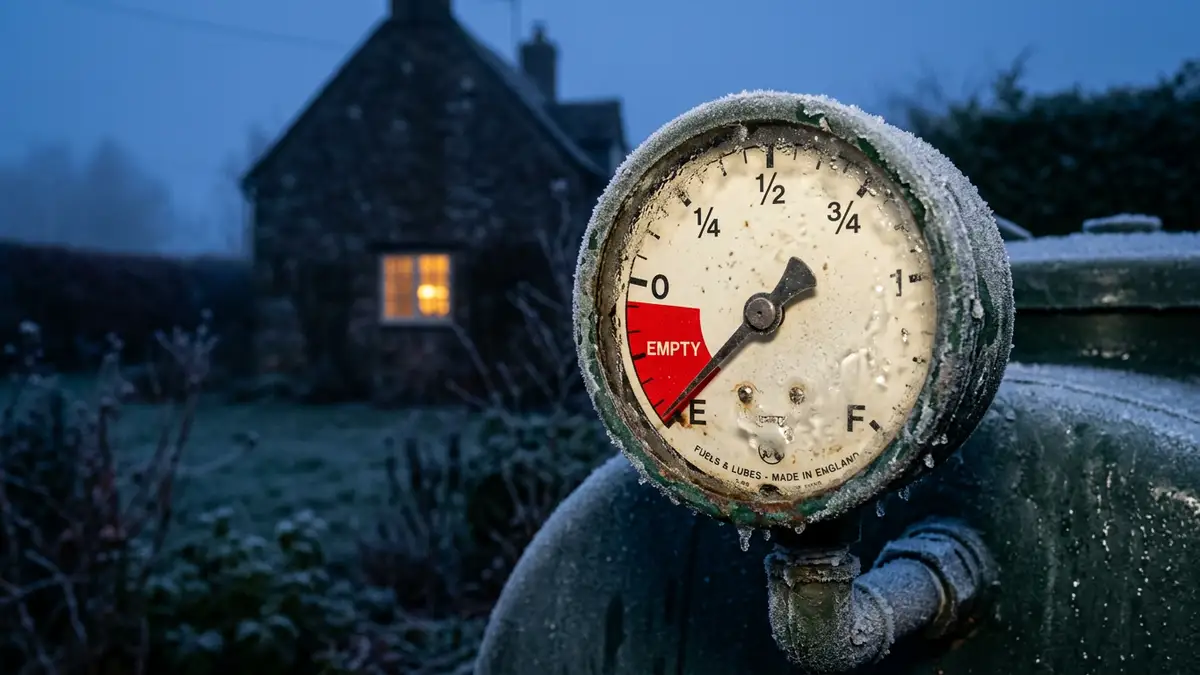
Image: Matt Weston / AI

Carla Rooney
Chancellor Rachel Reeves is preparing direct financial support for British households as the US-led conflict with Iran drives heating oil prices to record highs and threatens to destabilise the national economy.
This structural gap leaves families fully exposed to the violent swings of global crude markets. Chancellor Rachel Reeves confirmed she is weighing fresh action to protect these households from the current price spike.
The Chancellor maintained that the government will not initiate a formal intervention at this stage. Meanwhile, energy analysts forecast a 10 per cent increase in broader household energy bills starting this July.
Projections indicate that annual energy costs will climb by £186 for the average household as the conflict persists. Conservative leader Kemi Badenoch demanded the Chancellor scrap these planned increases with immediate effect.
Badenoch urged the government to authorise new drilling in the North Sea to secure a domestic energy buffer against foreign volatility. Energy Secretary Ed Miliband rejected the proposal.
Opening new oil fields would not take a single penny off consumer bills.
Miliband stated that opening new oil fields would not take a single penny off consumer bills. The administration is instead evaluating targeted options to assist the most vulnerable demographics.
Within the policy debate, the Labour Together group proposed a temporary rise in income tax to fund the necessary relief. They also suggested suspending the triple lock on pensions.
This move is estimated to generate £17 billion annually for the Treasury. Robert Jenrick dismissed the tax proposal as a non-starter during the latest session.
Claire Coutinho stated that the government must not address the crisis by hitting tax bills with a sleight of hand. Internal pressure is now mounting within the Labour Party as MPs track the economic fallout.
Some members suggested the government should publicly attribute the rising costs to Iran to manage domestic perception. A separate faction of MPs proposed funding the relief package by slashing welfare spending.
One MP described current expenditure on sickness benefits as a primary target for reduction in the current climate. In south-east England, residents have accused heating oil suppliers of profiteering from the supply shock.
Lord Richard Walker countered these claims, stating that soaring petrol prices are justified under the current market conditions. The Petrol Retailers Association rejected allegations of price gouging made by ministers.
Representatives threatened to withdraw from government meetings following the accusations. The agricultural sector is reporting immediate strain from the energy shock.
Fruit and vegetable producers warned that rising costs could soon result in empty supermarket shelves across the country. Lee Stiles, secretary of the Lea Valley Growers Association, confirmed many growers are considering halting production.
Supermarkets had already locked in fixed prices with growers last year, leaving no room for rising overheads.
He noted that supermarkets had already locked in fixed prices with growers last year, leaving no room for rising overheads. If Iran maintains its hold on shipping lanes, households face further dramatic hikes in gas and electricity rates.
The Treasury continues to monitor the Strait of Hormuz for further disruptions to global energy stability. This current crisis mirrors the 1970s oil shocks, where geopolitical instability in the Middle East dictated British domestic policy.
The Treasury remains on high alert as the maritime blockade shows no signs of easing. Officials continue to track the movement of tankers as the economic pressure on the British interior intensifies.
The maritime blockade has forced a recalculation of national reserves as the cost of crude remains volatile. Shipping data shows a 15 percent decrease in tanker traffic through the primary corridor over the last seven days.
Logistics firms in the Midlands report a 22 percent increase in transport overheads since the disruption began. These costs are filtering directly into the price of consumer goods and industrial materials.
The Cabinet Office has convened three emergency sessions this week to address the widening fiscal gap. Ministers are reviewing the 1976 Energy Act to determine the extent of their emergency powers over private distributors.
Local authorities in Scotland and Wales have reported a surge in applications for emergency fuel grants. The demand for these grants has outpaced available funding by a ratio of three to one in the last fortnight.