Drone Strike Hits RAF Akrotiri as Middle East Air Operations Escalate
British fighter jets maintain defensive patrols following midnight attack on sovereign base areas in Cyprus.
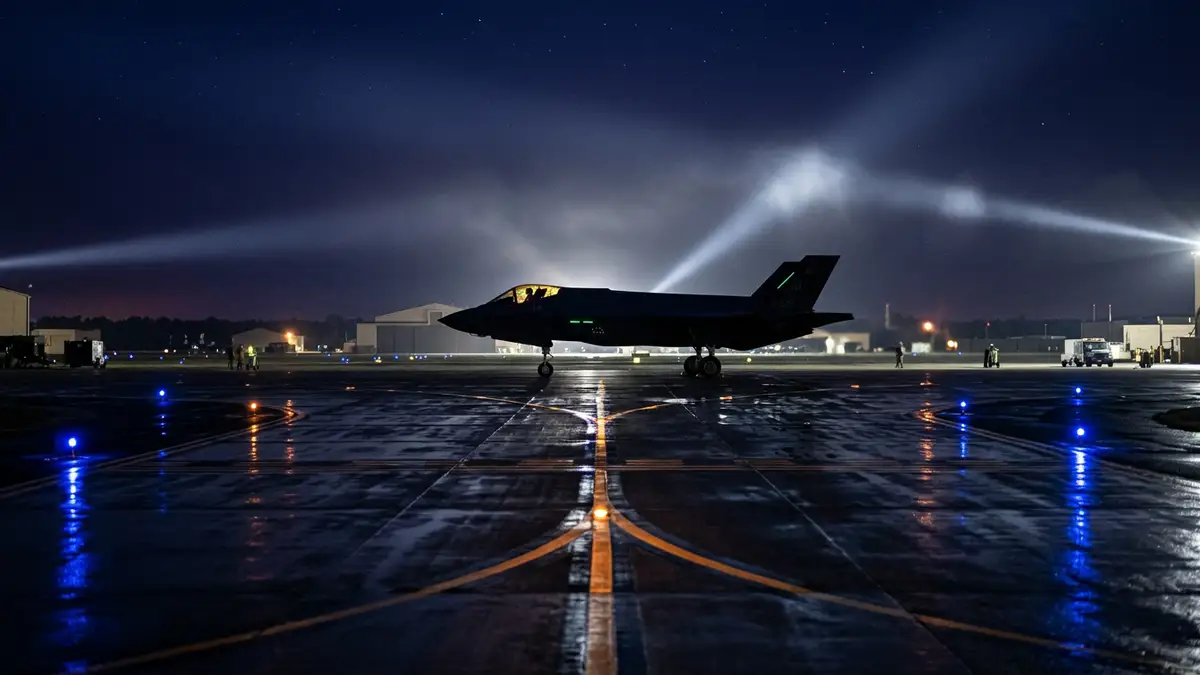
Image: Matt Weston / AI

Carla Rooney
British forces at RAF Akrotiri are operating under high-alert protocols after a midnight drone strike targeted the sovereign base area, triggering a scramble of fighter jets and the interception of multiple incoming aircraft.
Commanders at the installation immediately ordered all personnel and their families to remain indoors and stay away from windows. The impact triggered emergency protocols across the facility as technical teams began sweeping the area for unexploded components and debris.
British air defence systems successfully intercepted two additional drones as they tracked toward the base perimeter. Following the engagement, military logistics units moved to resupply air defence batteries at Akrotiri and other allied installations across the region.
Cypriot officials identified the Iran-backed militant organisation Hezbollah as the actor behind the launch. Intelligence indicates the strike originated from Lebanon, targeting the base specifically rather than the surrounding Republic of Cyprus.
The facility has operated as the primary hub for British military operations in the Mediterranean since the 1960 Treaty of Establishment. This historical mandate grants the United Kingdom control over 3% of the island's landmass through the Sovereign Base Areas.
Loud sirens pierced the air across the vicinity of the base again on Monday evening, keeping the local population on high alert. Residents in the surrounding districts reported the noise as defensive postures remained elevated following the initial midnight strike.
Two fighter jets scrambled from the Andreas Papandreou air base in Paphos during the heightened alert. This rapid deployment coincided with the detection of a suspicious object moving through the airspace near the Lebanese coast.
Meanwhile, RAF Typhoon and F-35B Lightning II jets continued their defensive air operations across the Middle East overnight despite the threat to their home hangars. These sorties maintain a constant presence over volatile corridors where regional tensions continue to mount.
The Sovereign Base Areas house critical signals intelligence and strike capabilities essential to NATO's eastern flank. Akrotiri serves as the logistical lynchpin for protecting trade routes as insurance premiums for Mediterranean transit fluctuate due to regional instability.
The deployment of F-35B aircraft provides the latest strike capacity, operating alongside the established Typhoon FGR4 fleet. These fifth-generation assets provide a sophisticated layer of deterrence against the type of saturation attacks attempted on March 2.
Iranian state media claimed over 1,000 individuals have died since Saturday due to US-Israeli attacks in the broader theatre. These figures emerge as regional proxies expand the geographic scope of their targeting to include high-value Western military infrastructure.
Security protocols at the Akrotiri perimeter remain at their highest levels, with military police restricting movement on arterial roads. The main routes connecting the base to the Limassol district are currently subject to strict checkpoints and patrols.
The Ministry of Defence has not released specific damage assessments regarding the structural impact of the drone that breached the perimeter. Technical experts are currently conducting a forensic analysis of the wreckage to confirm the exact specifications of the weapon system.
The interception of the two following drones suggests a coordinated attempt to saturate the base's localised radar and defence grid. This tactic aims to overwhelm automated response systems by presenting multiple simultaneous threats from different vectors.
Regional stability now hinges on the containment of such incursions as the conflict spills beyond traditional borders. The UK maintains its strategic footprint in Cyprus to ensure the continuity of its intelligence-gathering and strike reach in an increasingly contested environment.
Ground crews at Akrotiri worked through the night to inspect the 9,000-foot runway for structural compromises. Engineers utilized thermal imaging to detect heat signatures from potential submunitions embedded in the soil near the primary hangars.
Local police in Limassol established a five-mile cordon around the base's northern entrance to manage civilian traffic. This perimeter prevents unauthorized access to the Sovereign Base Area while the RAF maintains its 'Red' alert status.
The 1960 Treaty remains the legal bedrock for these operations, ensuring the UK retains full jurisdictional sovereignty over the Akrotiri and Dhekelia zones. This status allows the RAF to launch kinetic strikes without seeking prior approval from the Cypriot government in Nicosia.
Naval assets in the Eastern Mediterranean have adjusted their patrol patterns to provide an outer layer of sensor coverage for the base. These destroyers utilize Aegis-equivalent tracking to feed real-time data into the Akrotiri command center.
The economic impact of the heightened security is visible at the Limassol port, where shipping delays have increased by 15% since the midnight strike. Logistics firms are rerouting assets as the military maintains control over the surrounding airspace.
Military analysts expect the high-readiness posture to continue until the forensic teams identify the specific drone model used in the breach. Identifying the manufacturer will determine the level of technological sophistication available to the proxy forces in Lebanon.