Starmer Authorizes US Use of British Bases for Defensive Strikes Against Iran
Foreign Office prepares evacuation of 300,000 citizens as drone strike hits RAF Akrotiri in Cyprus
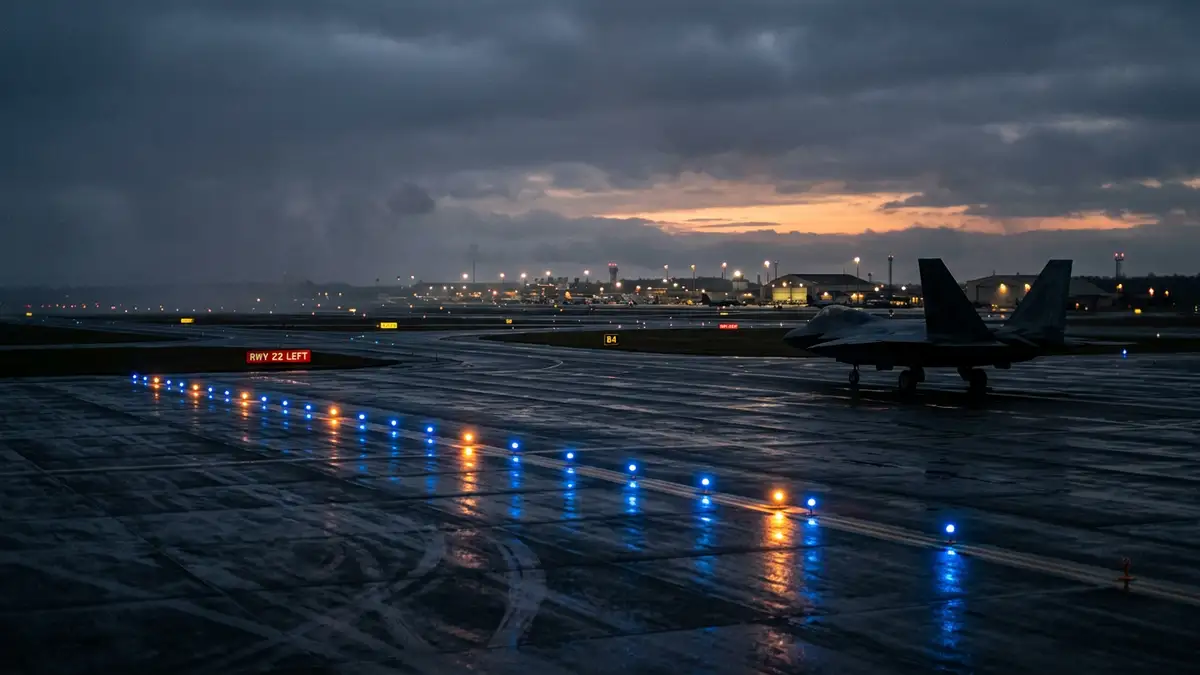
Image: Matt Weston / AI

Sarah Connor
Prime Minister Sir Keir Starmer has authorized the United States to utilize Royal Air Force bases in Cyprus to launch defensive strikes against Iranian missile sites and storage depots.
This executive mandate permits U.S. Central Command to utilize the Cyprus-based facility for joint operations that commenced in the early hours of Saturday morning. The directive transforms the Mediterranean outpost into a primary launchpad for neutralizing Tehran’s regional infrastructure.
Sir Keir Starmer confirmed the UK granted this specific access for limited defensive purposes. The mission aims to intercept and destroy immediate threats to regional stability before they reach international airspace.
At approximately midnight local time on March 2, a drone strike impacted the perimeter of RAF Akrotiri. The ordnance breached the outer defenses, marking a direct escalation against British sovereign territory.
Destroying missiles at their point of origin remains the only viable method to shield British interests.
The Ministry of Defence confirmed the explosion caused structural damage to the facility's perimeter. Personnel reported no casualties from the blast site as fire crews contained the resulting blaze.
Cypriot government spokesmen clarified that the Republic of Cyprus was not the intended target of the incoming strike. The trajectory focused exclusively on the British military installation.
British intelligence officials tracked the device's launch to a window prior to the Prime Minister’s formal announcement. This timeline suggests the strike preceded the official shift in the base's operational status.
Sir Keir Starmer disclosed that Iran orchestrated 20 separate planned atrocities within the United Kingdom over the previous twelve months. These domestic threats have forced a radical reassessment of the UK’s defensive posture.
He maintained that destroying missiles at their point of origin remains the only viable method to shield British interests. The Prime Minister rejected passive containment in favor of active neutralization of the Tehran regime’s assets.
Following these developments, the Foreign Office initiated a massive rescue operation to evacuate UK citizens from across the Gulf region. This mobilization represents the largest emergency extraction effort in decades.
Foreign Secretary David Lammy confirmed that ministers are currently drafting emergency plans to extract approximately 300,000 Britons. The fracture of regional security has rendered civilian presence in the area untenable.
The UK has internalized the historical lessons of the Iraq war and will not join a broader offensive campaign at this juncture.
Current estimates indicate that more than 200,000 British nationals, including active military personnel, face immediate physical risks on the ground. These individuals remain scattered across high-risk zones as the conflict expands.
This danger intensified as Tehran launched a series of missiles at neighboring states. The barrage triggered immediate retaliatory protocols from allied forces stationed throughout the theater.
Widespread airspace closures across the Middle East have forced the British Government to accelerate these complex evacuation timelines. Logistical hubs are now operating at maximum capacity to facilitate the exodus.
Despite the escalation, the Prime Minister emphasized that British forces will not engage in direct offensive sorties themselves. The UK role remains strictly logistical and defensive for the current phase of the operation.
He stated the UK has internalized the historical lessons of the Iraq war and will not join a broader offensive campaign at this juncture. This restraint serves as a tactical boundary for the Starmer administration.
Downing Street officials insisted the move does not represent a permanent shift toward total war. They categorized the authorization as a tactical necessity driven by the immediate threat to the Cyprus garrison.
The strategic landscape changed the moment Tehran's proxies targeted British soil in Cyprus. This physical strike shifted the calculus for Number 10, necessitating a forceful response to maintain deterrence.
Economic analysts are monitoring the Gulf markets as the threat to shipping lanes and oil infrastructure reaches a ten-year high. Brent crude prices surged as traders factored in the risk of a wider maritime conflict.
This military cooperation with the United States signals a tightening of the Special Relationship under the current administration. The Pentagon and the Ministry of Defence are now operating with unprecedented levels of data integration.
Military hardware continues to move through RAF Akrotiri as the Pentagon prepares for subsequent waves of defensive strikes. Heavy transport aircraft are landing hourly to reinforce the Mediterranean's most critical strategic hub.