Middle East Conflict Triggers Regional Flight Chaos and RAF Base Strike
Iran launches retaliatory missile barrages across the Gulf as the UK prepares for large-scale evacuations of British nationals.
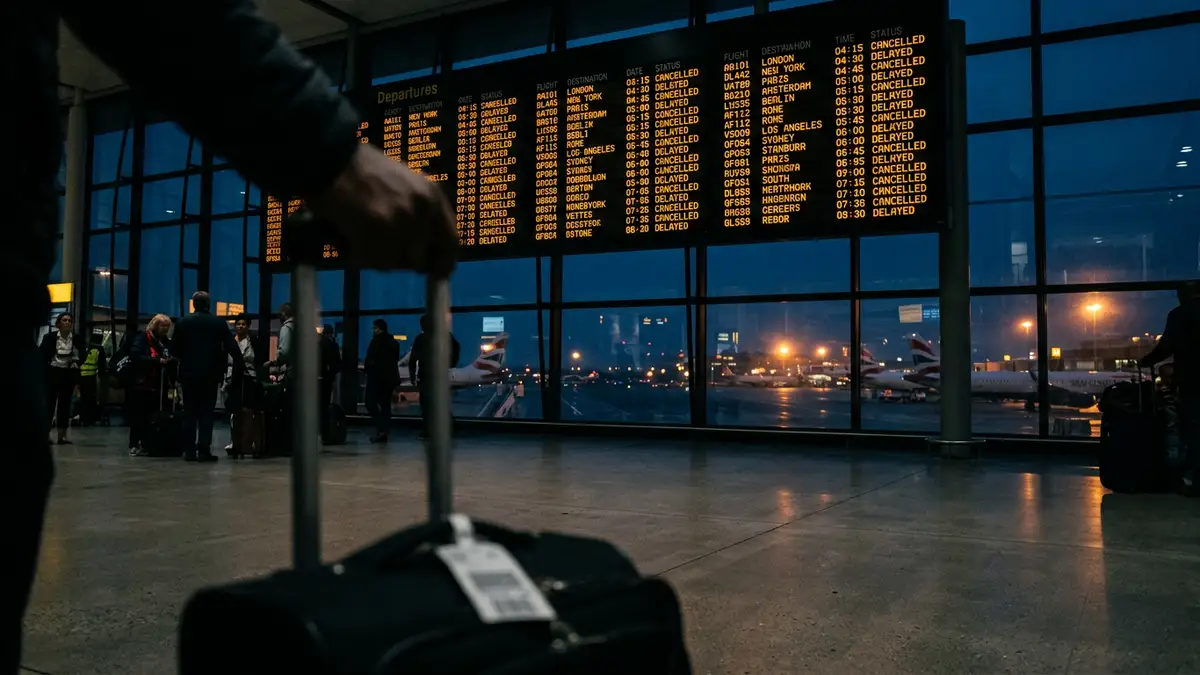
Image: Matt Weston / AI

Carla Rooney
Iran launched a series of missile and drone strikes across multiple countries following joint US and Israeli attacks on Iranian targets on Saturday morning.
A suspected drone struck the primary runway at RAF Akrotiri on Cyprus during the early hours of the morning. The Sovereign Base Areas Administration confirmed the impact targeted critical airport infrastructure within the British territory.
Foreign Secretary Yvette Cooper identified the weapon as an unmanned drone and stated the government cannot provide further technical details at this stage. The Ministry of Defence reported minimal damage to the facility despite the breach of the perimeter.
Flight operations at RAF Akrotiri continue under heightened security protocols while teams assess the impact site. This strike occurred simultaneously with reports from the UK Defence Secretary regarding missiles and drones landing near British installations in Bahrain.
The United States is currently conducting major combat operations within the theatre.
A missile struck the US Navy’s 5th Fleet service centre in Bahrain during the coordinated barrage. Explosions leveled sections of the capital, Manama, where several residential buildings sustained direct hits from incoming ordnance.
Bahrain International Airport suspended all flight operations as the strikes reached their peak intensity. Airspaces across the Gulf remain closed to civilian traffic as retaliatory strikes hit major tourist and expatriate hubs.
The Foreign, Commonwealth & Development Office (FCDO) issued immediate travel warnings for Turkey and Cyprus as the combat zone expanded. British nationals in Kuwait, Qatar, and the United Arab Emirates received orders to shelter in place.
UK government planners are now coordinating the emergency evacuation of 94,000 British citizens from the Middle East. This logistical operation follows the cancellation of nearly 6,000 flights over the weekend.
EasyJet cancelled three return flights between the UK and Cyprus on Monday morning. The airline cited the widening kinetic conflict as the sole driver for the immediate cessation of these services.
Egyptian airports remain operational, though passengers face a surge in cancellations and multi-hour delays. The FCDO has not yet issued a formal prohibition against travel to Egypt’s primary tourist destinations.
The Civil Aviation Authority notified all carriers of their legal obligation to provide care and assistance to stranded passengers. Israel announced a phased reopening of its airspace today following a total weekend closure.
Israeli strikes targeting Beirut and southern Lebanon killed 31 people and injured 149 others, according to the Lebanese health ministry. A parallel strike on an Iranian girls' school resulted in 153 reported deaths.
The offensive against Hezbollah will persist for several days.
Israel’s military chief stated the offensive against Hezbollah will persist for several days. President Donald Trump confirmed the United States is currently conducting major combat operations within the theatre.
The US embassy in Kuwait City ordered all personnel and civilians to take immediate cover and avoid the embassy grounds. The FCDO warned that further escalation will trigger systemic impacts across the global travel network.
Major Egyptian hubs remain open, but the FCDO describes the regional landscape as increasingly volatile. British tourists continue to navigate a collapsing transit network as the war expands across the Gulf.
This crisis mirrors historical periods of regional instability where British sovereign assets in the Mediterranean functioned as strategic flashpoints. RAF Akrotiri serves as the vital node for UK power projection throughout the Levant.
Economic stakeholders are currently calculating the cost of the Gulf airspace closure, which has severed a primary global transit corridor. Aviation analysts are tracking the logistical strain of rerouting thousands of long-haul flights away from active combat zones.
The prospect of a protracted conflict suggests a fundamental transformation of the Middle East security landscape. Military planners are now accounting for the increased precision and reach of unmanned aerial systems against hardened Western infrastructure.
The current standoff has moved beyond proxy skirmishes into direct strikes on sovereign military installations. Security teams remain on high alert as the geographical scope of the conflict continues to widen.