Technical Failures Ground UK Evacuation Flight in Muscat
Administrative breakdowns and mechanical issues strand 130,000 registered Britons as regional tensions escalate.
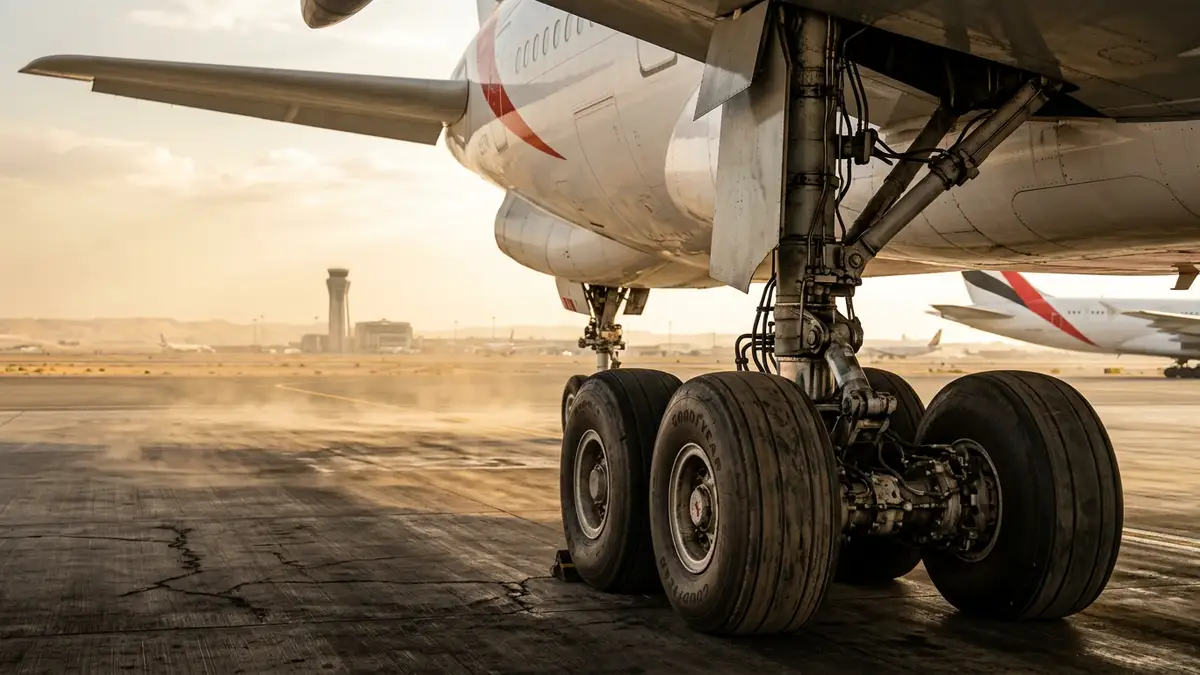
Image: Matt Weston / AI

Callum Smith
A UK government-chartered flight scheduled to evacuate British nationals from Oman remained on the tarmac Thursday morning following a series of technical and administrative failures.
The aircraft failed to leave the ground at its scheduled 7:00 p.m. departure time on Wednesday. This grounding occurs as 130,000 registered citizens seek exit routes amidst escalating regional instability.
The Foreign Office is currently coordinating with commercial carriers to manage the extraction of these 130,000 Britons. Home Secretary Yvette Cooper confirmed that the repatriation of these nationals remains the department's primary objective.
Technical failures at Muscat International Airport stalled the check-in process for four hours. Inside the stationary cabin, the environment deteriorated as the delay stretched through the night.
A total farce.
One passenger labeled the scene a total farce. Witnesses reported that individuals on the aircraft experienced panic attacks while trapped on the tarmac.
Agitated passengers hammered on the aircraft windows as the cabin air grew stale. The manifest includes dozens of vulnerable individuals, including infants and families.
Passengers reported a total absence of consular staff once they cleared security and moved to the departure gates. One traveler stated that officials abandoned the group without guidance during the boarding process.
The delay functioned as a cascade of failures that halted the entire evacuation effort. One passenger noted that the delays appeared to stem from administrative bottlenecks rather than external threats.
The delays appeared to stem from administrative bottlenecks rather than external threats.
Foreign Office officials confirmed they are currently troubleshooting the technical issues that blocked the Muscat-to-UK flight. The department continues to track the 130,000 registered citizens while attempting to secure alternative flight paths.
No new departure time exists for the passengers currently stranded in Muscat. This logistical pressure mirrors previous large-scale repatriations where administrative friction hampered rapid departures.
The scale of 130,000 registered individuals presents a massive economic and logistical hurdle for the UK Government. Commercial carriers are now filling the gap left by a lack of available military or chartered assets.
Public pressure on Yvette Cooper and the Foreign Office has intensified as families demand concrete flight data. The absence of staff at the Muscat gate has become a focal point for criticism regarding the execution of the evacuation plan.
Historically, the UK has utilized a mix of military transport and private charters during regional crises. The current reliance on a single chartered flight that suffered mechanical failure exposes vulnerabilities in the emergency framework.
The 130,000 Britons registered across the region face a landscape of shrinking commercial options as airlines slash schedules. This surge in demand has placed Muscat International Airport under extreme operational strain.
Vulnerable groups, including those with medical needs, hold priority for the next available flight slots. However, the lack of a confirmed departure time for the grounded aircraft leaves these individuals in a state of prolonged uncertainty.
The Foreign Office has not provided a timeline for when the specific aircraft's technical issues will be rectified. Engineers are on-site, but administrative hurdles at the airport continue to complicate the processing of the flight manifest.
Future UK evacuation protocols may require pre-positioned consular teams at key transit hubs like Muscat. The reported abandonment of passengers at the gate suggests a breakdown in the chain of command between London and local officials.
As the regional situation remains volatile, the success of the remaining 130,000 repatriations depends on the reliability of these chartered routes. For now, the passengers in Muscat remain confined to the terminal or local accommodation without an exit strategy.
The Home Office and the Foreign Office face imminent questioning regarding the 'total farce' described by those on the ground. Every hour of delay increases the physical and psychological toll on the families waiting for a resolution.