Macron Orders First Expansion of French Nuclear Arsenal Since Cold War
Paris reverses decades of disarmament to lead an eight-nation European deterrence coalition amid shifting global security threats
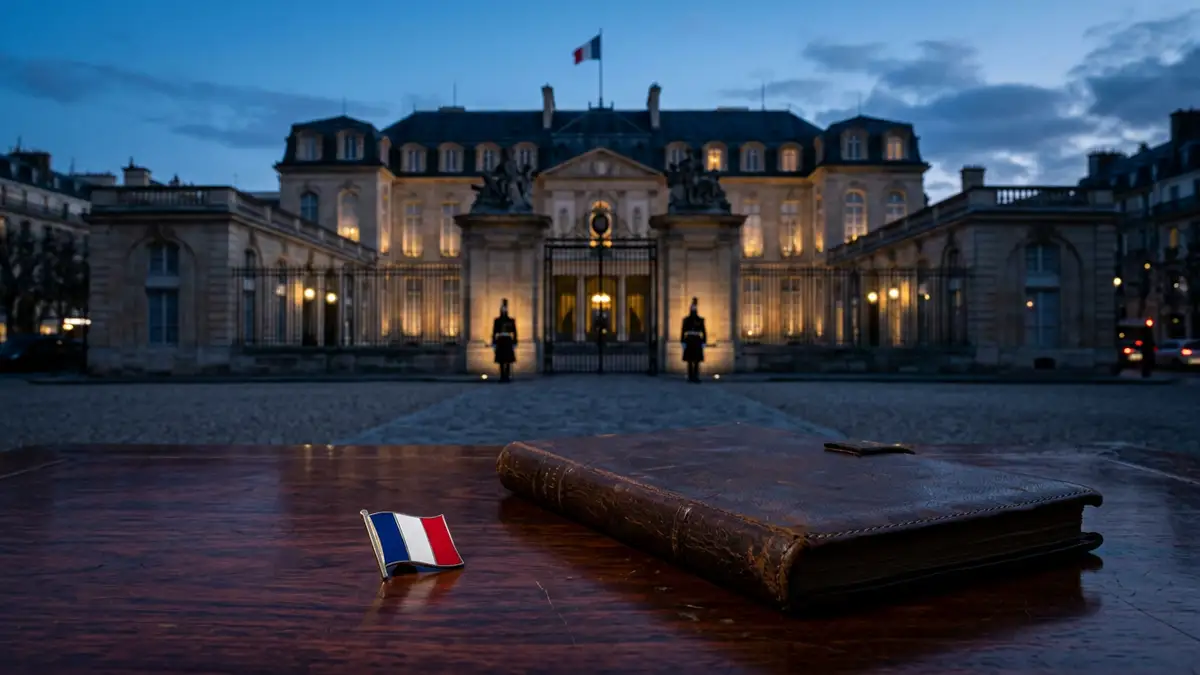
Image: Matt Weston / AI

Carla Rooney
President Emmanuel Macron has authorised the first increase in the French nuclear stockpile since 1992, ending a thirty-year era of post-Cold War disarmament.
"We have to re-articulate nuclear deterrence," Macron stated during the announcement. He cited the current global climate as the primary driver for this strategic pivot.
This decision terminates a long-standing trend of reduction that followed the collapse of the Soviet Union. Since the early 1990s, France had consistently trimmed its warhead count to reflect a more stable geopolitical landscape.
We have to re-articulate nuclear deterrence.
Beyond the historical drawdown, this new trajectory integrates additional warheads into the existing nuclear triad. The French Defence Ministry confirmed that the upgraded M51 missile entered operational service in October to support this transition.
The M51 features improved accuracy and an enhanced ability to penetrate sophisticated missile defences. These technical capabilities ensure the French deterrent remains viable against modern interception technologies.
Submarine-launched ballistic missiles currently constitute over 80 per cent of the French arsenal. These vessels provide the stealth and survivability necessary for a second-strike capability.
Meanwhile, eight European nations have joined France in a new "advanced deterrence" strategy. This coalition includes the UK, Germany, Poland, the Netherlands, Belgium, Greece, Sweden, and Denmark.
Macron has long maintained that the "vital interests" of France possess a "European dimension." This expansion formalises that doctrine by linking French nuclear security to its continental allies.
Polish Prime Minister Donald Tusk addressed the regional security shift with blunt clarity. "We are arming up together with our friends so that our enemies will never dare to attack us," Tusk said.
We are arming up together with our friends so that our enemies will never dare to attack us.
Economic and political pressures have mounted as the Middle East faces sustained violence. A French official noted that these events demonstrate the necessity of maintaining national power and independence.
The official emphasized that these nuclear assets allow the state to face down growing threats without compromise. This stance reflects a broader European desire for strategic autonomy from external superpowers.
Security incidents have already tested the boundaries of French military operations. A Russian drone reportedly approached the French aircraft carrier while it was docked in Sweden.
The global nuclear landscape continues to fracture as unacknowledged programs expand. While India, Pakistan, and North Korea acknowledge their weapons, others remain in the shadows.
Israel maintains nuclear capabilities, though the Israeli government has never publicly confirmed this status. This ambiguity adds a layer of complexity to the Mediterranean security theatre.
Across the region, Iran continues to develop its nuclear infrastructure despite international pressure. Iranian officials insist the program serves peaceful purposes only, a claim met with skepticism by Western intelligence.
This French expansion serves as a catalyst for industry shifts within the European defence sector. Manufacturers are now pivoting to meet the demands of a continent that is actively re-arming.
Future implications suggest a more fragmented global order where regional powers rely on their own hardware. The era of relying solely on the United States' nuclear umbrella is receding.
By increasing the warhead count, France reasserts its position as the primary military power in the European Union. This move forces a recalibration of diplomatic relations with both Moscow and Washington.
The integration of the new warheads will occur over the coming years as part of a multi-billion Euro modernisation programme. This ensures the French deterrent remains the cornerstone of European security for the next generation.