Evacuation Flight Lands at Stansted Following Pilot Delay in Muscat
British Nationals Arrive in London as 140,000 Citizens Register Presence Across the Middle East
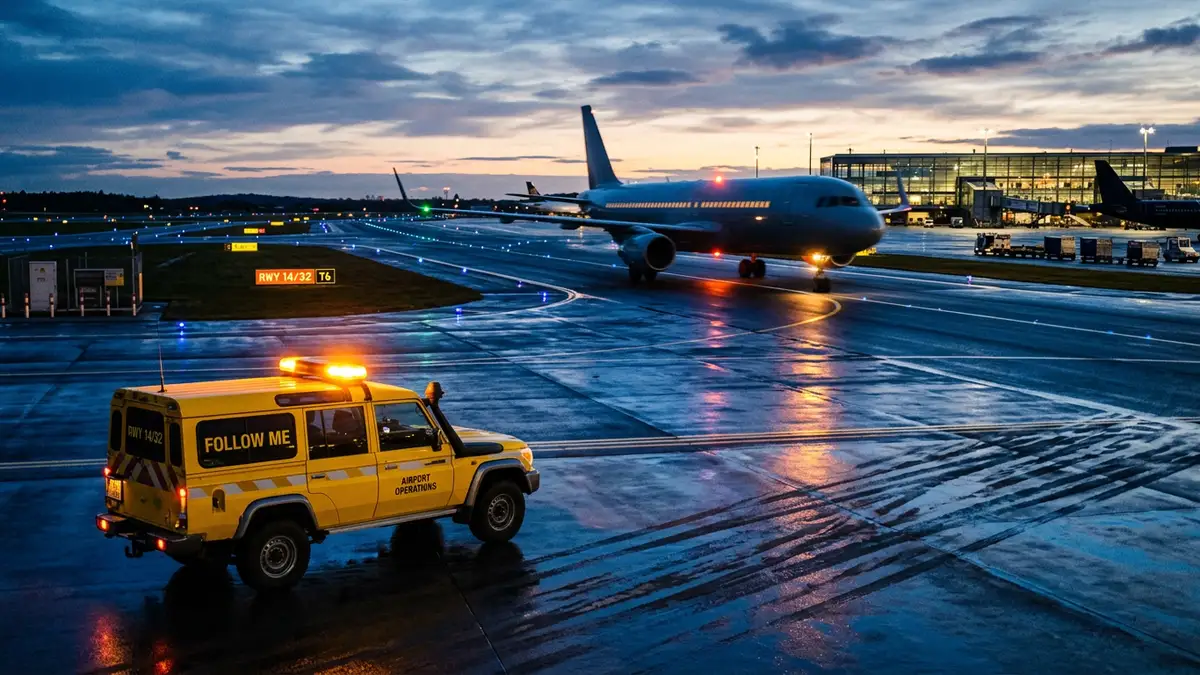
Image: Matt Weston / AI

Carla Rooney
A UK government-chartered flight carrying British nationals from the Middle East landed at London’s Stansted airport following a logistical disruption in Oman.
Ground crews and transport officials met the passengers immediately upon their arrival on British soil to begin processing.
Historically, the UK navigated similar large-scale evacuations during the 2006 Lebanon War and the 2021 withdrawal from Afghanistan.
These past operations faced identical hurdles regarding crew fatigue and the complex securing of airspace permissions.
The 140,000 registered individuals comprise a diverse cohort of tourists, dual nationals, and long-term residents.
Such a high volume of registrations places unprecedented pressure on the Foreign Office digital and consular infrastructure.
Aviation safety regulations dictate the maximum hours a pilot can operate without a break with absolute rigidity.
The delay in Muscat ensured the flight complied with international safety standards before the aircraft crossed into European airspace.
Stakeholders within the aviation industry note that chartering commercial aircraft for government evacuations requires precise coordination between private carriers and state departments.
Any deviation from these scheduled rest periods triggers an immediate grounding by the Civil Aviation Authority.
Economic analysts point to the rising costs of these charter operations as regional stability fluctuates.
The Treasury now balances the immediate need for citizen safety against the logistical expense of long-haul emergency flights.
Public pressure on the government to provide clear exit routes mounts while the situation in the Middle East evolves.
Families of those still in the region monitor the success of these initial charter flights with intense scrutiny.
The landscape of international crisis management pivots toward these proactive registration systems.
By encouraging 140,000 people to log their locations, the government maps potential evacuation needs before commercial routes shut down entirely.
Future implications for British foreign policy include the potential for more frequent use of Stansted and other regional hubs for emergency arrivals.
This strategy decentralises the pressure on Heathrow and Gatwick during periods of high-volume repatriation.
The pilot's decision to remain in Muscat reflects the rigid nature of safety protocols that govern modern flight operations.
Even under the urgency of an evacuation, the legal framework remains absolute and non-negotiable.
Oman has frequently served as a neutral logistical waypoint for Western nations conducting operations in the region.
The stopover in Muscat provided a secure environment for the crew to reset their operational clocks and prepare for the final transit.
The Foreign Office continues to advise British nationals to register their presence through official digital portals.
This data allows the government to allocate resources and charter the appropriate number of aircraft based on regional density.
As the passengers from this flight disperse to their homes across the UK, the focus remains on the thousands still registered in the Middle East.
The government has not yet confirmed the specific schedule for subsequent charter flights.
The logistical success of the Stansted landing provides a template for future movements if the regional situation necessitates further departures.
Coordination between the Home Office and the Foreign Office remains the primary mechanism for these arrivals.
Security personnel at Stansted maintained a strict perimeter as the chartered aircraft taxied to a private terminal.
This protocol ensures the efficient processing of passengers while maintaining standard airport security measures.
The 140,000 citizens currently registered represent one of the largest cohorts of Britons monitored during a single regional event in recent years.
This scale requires constant, high-level communication between London and various diplomatic missions.