US Warns Iran as Armada Approaches Middle East
President Trump issues stark warning as military presence grows in the Middle East.

Carla Rooney
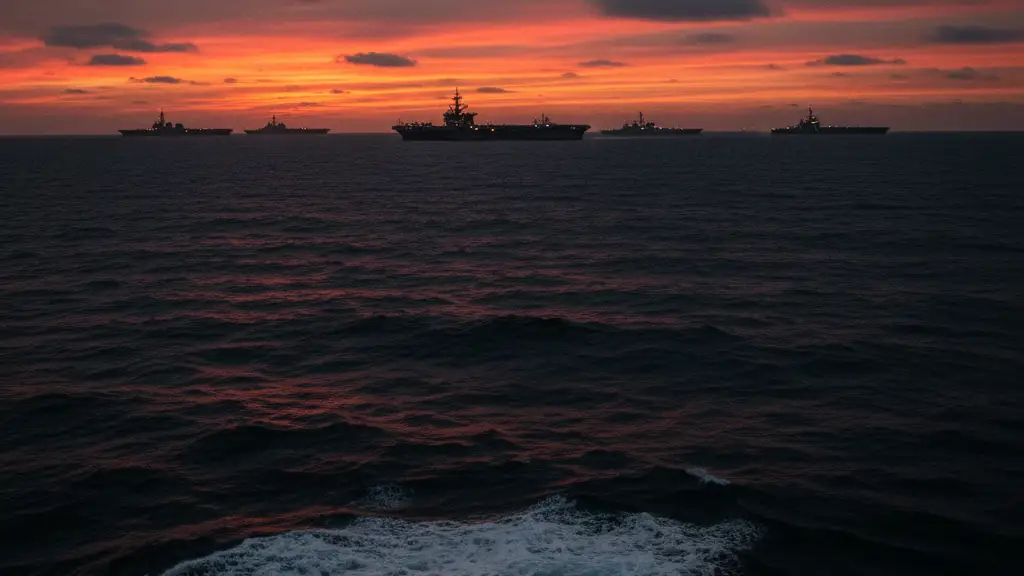
A formidable US naval armada, spearheaded by the USS Abraham Lincoln carrier strike group, has arrived in the Middle East, signalling a significant escalation in tensions with Iran.
This force is positioned in the Middle East amid escalating tensions between the US and Iran. The deployment represents a significant projection of American power intended to deter Iranian aggression and compel a change in regional policies.
Iran consistently denies pursuing nuclear weapons, a claim that remains a central point of contention. Washington has conveyed several preconditions to Tehran for halting hostilities, including the removal of all enriched uranium from the country.
The Iranian government's authority is reportedly at its weakest point since the 1979 revolution. A severely plunging currency and rampant inflation have exacerbated this internal instability.
Historical milestones including the 1979 revolution, the Iran-Iraq War, and widespread protests in late 2025 have shaped this current weakening. The government's crackdown on recent protests has drawn intense international scrutiny.
Iranian officials have stated a death toll of 3,117 from recent unrest, though unverified claims suggest the number could be significantly higher. Thousands of protesters are feared dead following the state's response.
Foreign Minister Abbas Araghchi indicated that no recent negotiations have taken place with the United States. Araghchi stated that Iran will not re-engage in talks while under the direct threat of military action.
A senior political source confirmed that Washington has outlined specific preconditions for halting hostilities. In response, a senior Iranian official asserted that Iran would treat any attack as an act of 'all-out war.'
The Ayatollah has publicly stated that Iran will retaliate against any US strikes with its own military response. Officials specified that any retaliation would target the exact base and point from which air operations against them are launched.
Reports suggest that Iranians are beginning to flee Tehran amid growing fears of a US military strike. The regional landscape is shifting as key allies signal their positions.
Saudi Arabia and the United Arab Emirates have indicated they will not permit their airspace to be used for any potential attack on Iran. This military posturing occurs against a backdrop of heightened regional instability and proxy conflicts.
The Iranian government faces a complex challenge, balancing defiance against international pressure with its own internal vulnerabilities. The potential for miscalculation remains high as both sides escalate rhetoric and military readiness.
The coming days are critical in determining whether diplomatic channels can be reopened or if the situation will devolve into direct conflict. The international community is monitoring the situation closely, urging restraint to prevent a wider regional conflagration.
Related Keywords
MilitaryVenezuelaUnited StatesPoliticsUs MilitaryIranMiddle EastDonald TrumpTehranIran ProtestsUs-Iran RelationsMiddle East Conflict