US-Iran Peace Talks Collapse, Trump Announces Hormuz Blockade
Diplomatic efforts falter as US President declares critical waterway blockade following targeted strikes.
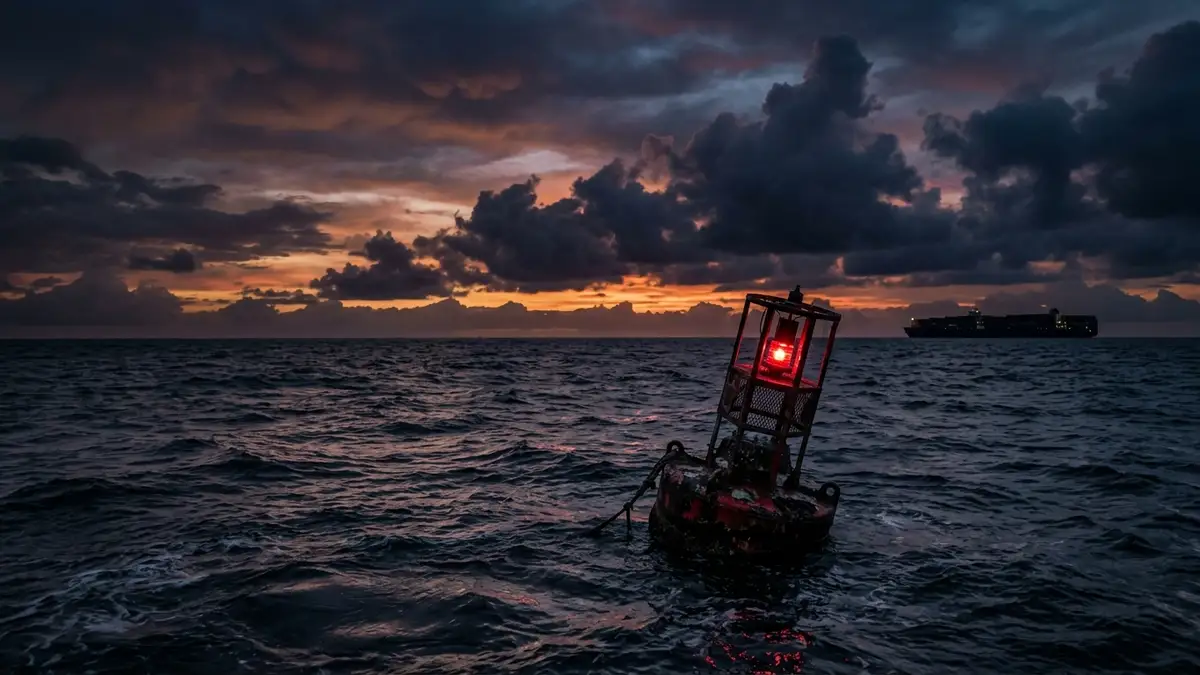
Image: Matt Weston / AI

Sarah Connor
Peace talks between the United States and Iran have collapsed, ending a period of intense diplomatic engagement and triggering a significant escalation in regional tensions.
Pakistan brokered these discussions, attempting to bridge the divide between the two nations amidst mounting pressure.
The collapse of these talks marks a critical juncture, particularly after US and Israeli strikes killed Ayatollah Ali Khamenei, a significant development in the regional power dynamic.
President Trump declared he could quickly target Iran's infrastructure, issuing a direct threat regarding potential military action.
I could quickly target Iran's infrastructure.
Beyond the immediate threats, the US announced it would soon collect all material already enriched by Iran, outlining a key demand in the failed negotiations.
Conversely, Iran maintained the agreement allowed it to continue enriching uranium, demonstrating a fundamental disagreement on the terms of any potential deal.
The US initially appeared to agree to a ceasefire deal that included Lebanon, but later asserted it had never been part of such an arrangement.
Tasnim, Iran's state news agency, insisted Iran's 'excessive' demands hindered any deal, placing blame for the diplomatic failure.
President Trump announced U.S. military forces would begin blockading the Strait of Hormuz, formalizing the earlier declaration of naval action.
He also stated Iran and the U.S. had agreed to “many” points of a 15-point peace plan during the recent talks.
This plan included the position that “there will be no enrichment of uranium” by Iran, according to Trump's statements.
Further complicating matters, JD Vance affirmed that no deal to end the war had been reached, despite some earlier positive developments in the discussions.
Vance stated Iran would not commit to stopping the production of nuclear weapons, identifying a core sticking point that ultimately derailed the negotiations.
Iran would not commit to stopping the production of nuclear weapons.
The blockade announcement recalls historical precedents where control over strategic chokepoints became flashpoints, such as the Suez Crisis of 1956, which saw international powers clash over vital shipping lanes.
This move will significantly impact global oil markets, as approximately 21% of the world's petroleum liquids consumption flows through the Strait of Hormuz daily, affecting prices and supply chains worldwide.
Stakeholders across the Middle East, including Saudi Arabia and the United Arab Emirates, will closely monitor the blockade's enforcement, assessing its implications for regional stability and their own economic interests.
The future implications extend to a potential re-evaluation of international maritime law and freedom of navigation, as a US blockade in international waters sets a complex precedent.
An unnamed Middle East official stated the US and Iran are launching a 'joint venture' in the Strait of Hormuz, a declaration that directly contradicts the blockade announcement.