United States Launches Strikes on Iran as Trump Clashes with European Leaders
Washington secures UK base access for bomber operations as Iranian missile stocks dwindle and tensions flare with Madrid and London.
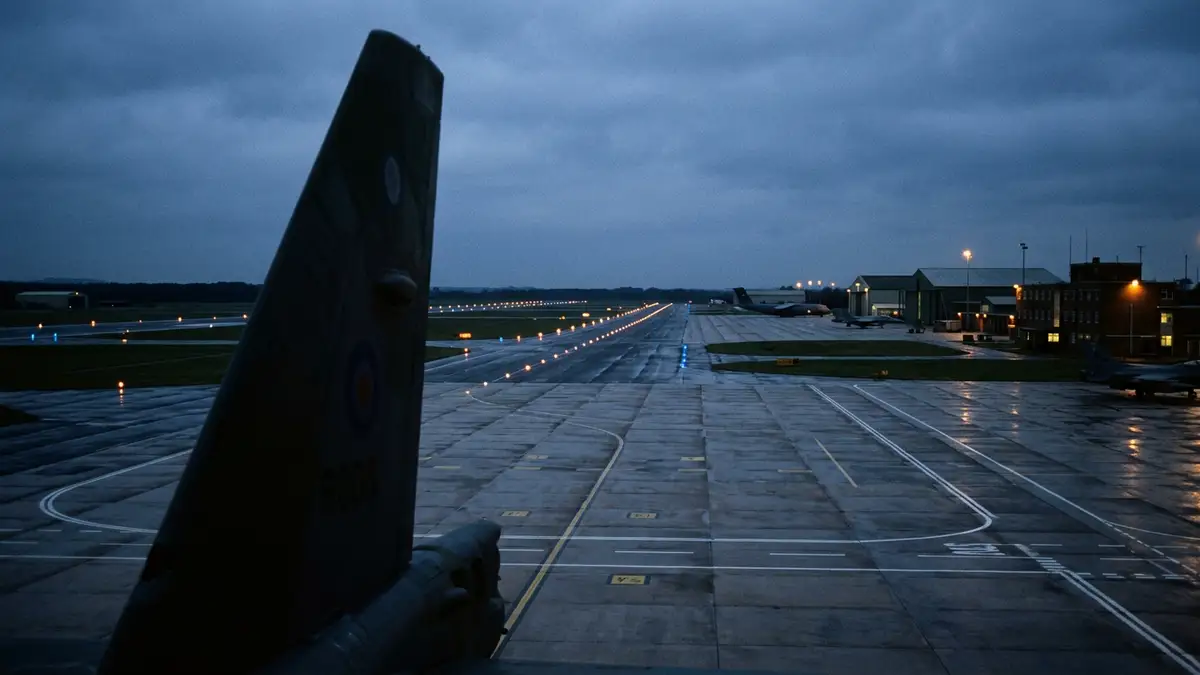
Image: Matt Weston / AI

Carla Rooney
The United States military has initiated a series of targeted strikes against Iranian missile infrastructure following a direct White House authorization and a contentious diplomatic standoff with European allies.
US B-52 bombers will arrive at RAF Fairford in Gloucestershire within the next 48 hours. This arrival expands the logistical footprint of the American air campaign across the European theater.
Tory leader Kemi Badenoch confirmed the RAF did not fly offensive sorties to destroy Iranian sites directly. This statement followed a series of kinetic attacks directed at British installations in Bahrain and Cyprus.
Western officials project Iran will exhaust its current supply of ballistic missiles within days. This assessment tracks a rapid burn rate of the Iranian arsenal under the pressure of sustained American engagement.
Regional US allies currently report a sharp drop in Patriot air defense missile inventories. High-volume interceptions of Iranian barrages have depleted these stockpiles to critical levels.
Donald Trump labeled the cooperation levels of involved nations as 'terrible' during public disputes with European leadership. The friction centers on the specific terms of access granted for the American military response.
Terrible.
White House Press Secretary Karoline Leavitt stated that Spain has agreed to cooperate with the US military. This claim follows a period of restricted access to Spanish airbases during the initial planning phases.
Initial operational logs showed both the UK and Spain refused to allow American access to their airbases ahead of the first wave. The subsequent agreement with Starmer reversed this stance for British sovereign territories.
Spain withheld consent for US military cooperation during the early planning phases of the strike. The current status of Spanish logistical support remains a point of contention between Washington and Madrid.
White House officials confirmed they expect full military backing from European allies as the conflict intensifies. This expectation forces NATO partners to align their hardware and runways with the American strategy.
The strikes hit specific Iranian missile infrastructure to eliminate Tehran's capacity for long-range launches. These sites served as the primary origin points for the barrages directed at US and allied positions.
Historical military cooperation between the US and the UK centers on the strategic utility of RAF Fairford for long-range heavy bombers. The base has functioned as the primary launch point for every major Middle Eastern conflict since 1991.
Economic pressures mount as the cost of Patriot interceptors exceeds $4 million per unit. The rapid expenditure of these assets now impacts the immediate defense budgets of regional partners.
Political stakeholders in London are managing the fallout of the base access decision amid intense diplomatic negotiations. Starmer’s authorization follows a 72-hour window of high-level communication with the Pentagon.
Future operations depend on the replenishment of interceptor stocks and the continued availability of European runways. The duration of the campaign tracks the rate of Iranian ballistic output against the resilience of allied defense grids.
The United States military continues to monitor Iranian launch sites for signs of retaliatory preparation. Intelligence assets remain fixed on mobile launchers moving within the Iranian interior.
Logistical chains for Patriot interceptors are under strain as manufacturers attempt to meet the sudden surge in demand. Defense contractors are accelerating production timelines to prevent the total depletion of allied batteries.
Diplomatic channels between Washington and Madrid remain active as officials seek to clarify the operational status of Spanish facilities. The resolution of this dispute will determine the southern reach of the current air corridor.
Donald Trump has maintained his critique of allied contributions, signaling a shift in how the United States views its security guarantees. This rhetoric introduces a new layer of volatility to the NATO alliance structure during active hostilities.