US Strikes Oil Tanker in Gulf, Escalating Tensions with Iran
Blockade reimposed as Strait of Hormuz traffic drops significantly amid regional missile attacks.

Callum Smith
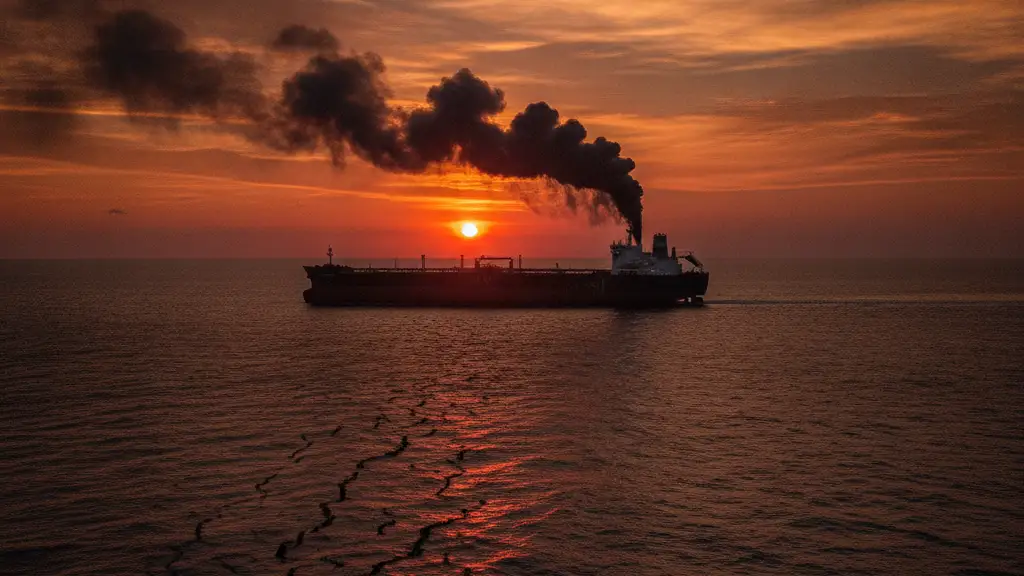
The United States launched a direct strike on the oil tanker Belma in the Gulf, firing Hellfire missiles into its smokestack, marking a significant escalation in regional tensions with Iran.
US Central Command (Centcom) confirmed the vessel Belma ignored multiple warnings, proceeding directly towards the Kharg Island oil terminal, Iran's largest oil export facility.
The US previously redirected over 140 vessels and disabled nine ships during an earlier blockade, asserting its presence in the region.
Crossings through the Strait of Hormuz have fallen significantly, impacting global energy flows and demonstrating immediate economic consequences of the escalating conflict.
In retaliation, Iran fired missiles and drones at US allies across the region, targeting Bahrain, Jordan, and Kuwait.
Meanwhile, the US conducted two waves of strikes on Iran's coastal defenses and missile sites on Wednesday, widening the scope of military engagement.
Attacks in Ahvaz, Bandar Abbas, Sirik, and Qeshm indicate widespread targeting of Iranian infrastructure.
The Iranian state broadcaster IRIB reported US strikes near a hospital in Ahvaz, housing a pediatric cancer center, forced its temporary evacuation.
These US attacks killed more than 35 people and wounded over 300 others, according to Iranian authorities, marking a grim human cost.
Beyond the immediate conflict, the price of oil increased to about $85 a barrel, with Brent crude closing at a one-month high of $84.95 a barrel on Wednesday.
The Strait of Hormuz carried about a fifth of global oil and gas shipments before the war, underscoring its strategic importance to international energy markets.
This historical context includes the 1980s 'Tanker War,' revealing decades of confrontations in the strait, a critical choke point.
Amidst these developments, India advised shipowners not to send Indian sailors on ships heading for the Strait of Hormuz, reflecting growing concerns among international stakeholders.
Tehran warned it will not allow any further US interference in Hormuz following the collapse of the 60-day deal, describing it as a red line.
Tehran also threatens to shut off more regional energy exports, as statements from officials indicate a potential resumption of full-scale war.
Hossein Mohebbi, Revolutionary Guards spokesman, stated Iran's operations currently focus on destroying US offensive military infrastructure in the region, with the next phase to begin afterward.
Mohebbi also asserted the enemy cannot sustain the current course of the conflict and turn it into a war of attrition.
Iran's security depended on maintaining what he called 'Iranian arrangements' in the strait.
Conversely, Donald Trump stated US negotiators had been in touch with their Iranian counterparts to tell them “you better make a deal.”