UK MINISTERS TO BOYCOTT MILAN-CORTINA CEREMONIES OVER RUSSIAN FLAG REINSTATEMENT
Government officials confirm absence from Paralympic events as IPC lifts restrictions on national symbols
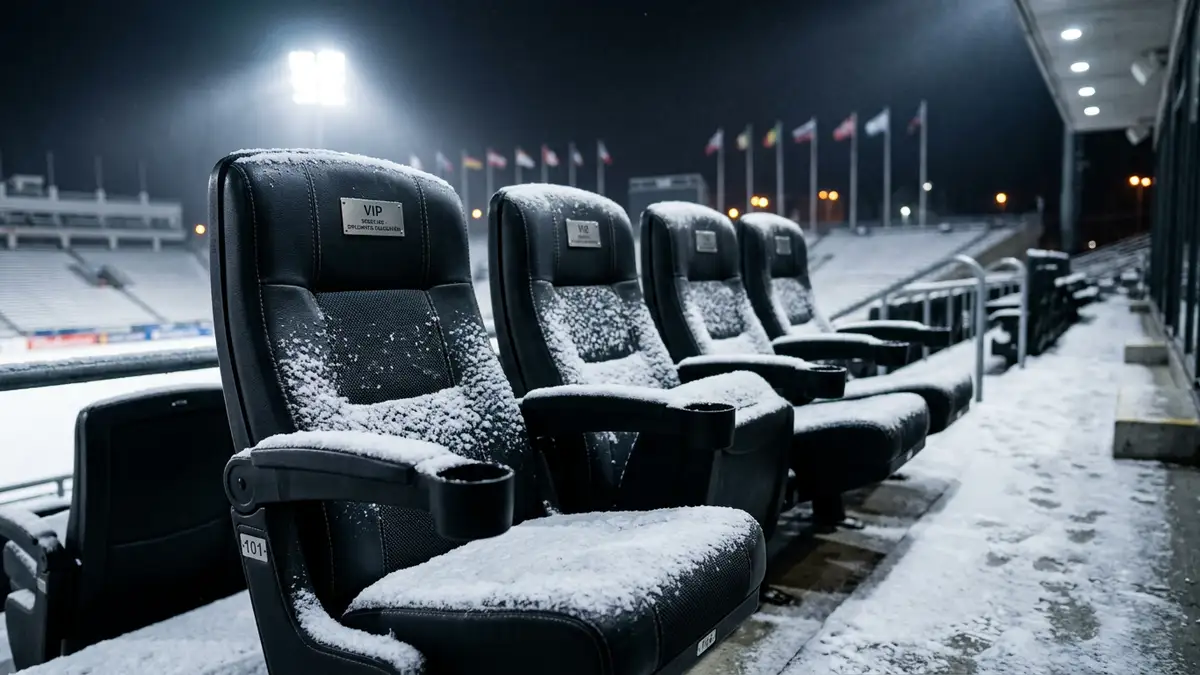
Image: Matt Weston / AI

Sarah Connor
The British government has confirmed that no ministers or officials will attend the opening and closing ceremonies of the 2026 Winter Paralympics in Milan-Cortina.
This diplomatic withdrawal follows a pivotal decision by the International Paralympic Committee (IPC) to allow athletes from Russia and Belarus to compete under their sovereign national flags. The move overturns the restrictions imposed following the 2022 invasion of Ukraine.
A British government spokesperson confirmed the state's total opposition to the IPC's decision regarding the use of national symbols. The government maintains that these states must not be represented in international sport while the conflict continues.
The UK position classifies the ongoing conflict in Ukraine as a barbaric full-scale invasion. This policy stands in direct opposition to the new direction of international para-sport governance.
Historically, the UK has utilized similar boycotts to signal its disapproval of geopolitical aggressions. This action mirrors diplomatic measures taken during previous international sporting events involving these two nations.
The IPC justified the reinstatement by stating there is no longer clear evidence that Russia uses sport to promote its war. This shift signals a departure from the diplomatic role established under previous committee leadership.
There is no longer clear evidence that Russia uses sport to promote its war.
Kirsty Coventry drives efforts to move the Olympic and Paralympic movements away from acting as arbiters of international geopolitics. This strategy aims to decouple athletic competition from the shifting tides of global diplomacy.
The International Olympic Committee (IOC) previously enforced strict guidelines on athlete expression to limit political speech within the arena. These rules focused on physical performance rather than nationalistic or political agendas.
In one specific instance of enforcement, an athlete's helmet violated these rules against political speech in competition. The IOC confirmed the design breached specific guidelines regarding how athletes express themselves.
Despite the ministerial boycott, the British government stated that athletes have worked for four years to prepare for this moment and deserve national support. The boycott targets the official ceremonies rather than the individual competitors representing Great Britain.
Athletes have worked for four years to prepare for this moment and deserve national support.
The Milan-Cortina 2026 Paralympic Winter Games will proceed with the full participation of Russian and Belarusian delegations. For the first time since the 2022 invasion, these athletes will display their national colors during the competition.
This decision ends the period of neutral status that had been required for athletes from these regions. It fundamentally alters the landscape of international para-sport governance.
Stakeholders in the sporting world now navigate a fractured environment where governing bodies and national governments hold opposing views. The UK remains firm that the presence of these flags is inappropriate on the global stage.
The economic and political pressure from London has not swayed the IPC's recent vote. The committee remains committed to its new path of neutrality regardless of the absence of high-ranking Western officials.
Future implications for the Olympic movement remain uncertain as more nations weigh their diplomatic responses. The Milan-Cortina games serve as a testing ground for this era of inclusive participation amidst active conflict.
The British government continues to coordinate with international allies to maintain pressure on the Russian and Belarusian states. This boycott serves as a visible marker of the ongoing geopolitical friction surrounding the games.
As the 2026 games approach, the focus shifts to how the IPC will manage potential friction between delegations in the athletes' village. The presence of sovereign banners remains a central point of contention throughout the event.
The Milan-Cortina ceremonies will take place without the presence of the UK delegation's political leadership. This ensures that while the athletes compete, the state's formal protest remains on the record.