United Kingdom Suspends Student Visas for Four Nations Amid Asylum Surge
Home Office data reveals a 470 percent increase in asylum claims from legal migration routes as the government adopts a Danish-style residency model
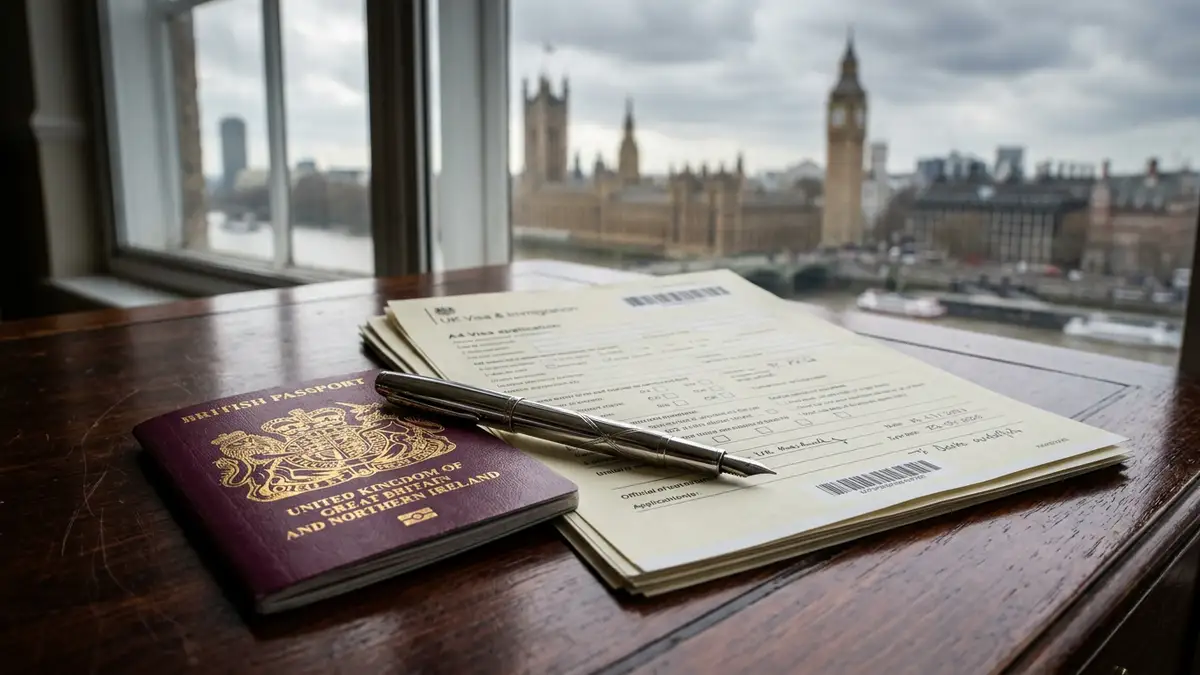
Image: Matt Weston / AI

Sarah Connor
The United Kingdom has formally suspended all sponsored student visas for nationals from Afghanistan, Cameroon, Sudan, and Myanmar to curb a massive spike in asylum claims originating from legal entry routes.
The government terminated these pathways to preserve the capacity for assisting those in immediate, verified need.
I will restore order and control to our borders
'I will restore order and control to our borders,' Shabana Mahmood said, stating that migrants from these nations exploited the British system.
Asylum applications submitted by students from these four countries spiked by over 470 percent between 2021 and 2025. The Home Office labeled this increase an unsustainable threat to the national asylum infrastructure.
Applications from Myanmar students alone increased sixteen-fold during this four-year window. This surge followed the 2021 military coup and the subsequent civil war currently destabilizing the region.
In Sudan, a civil war active since 2023 has displaced millions of people. The United Nations classifies the Sudanese situation as the largest humanitarian crisis on the planet.
Student asylum claims from both Cameroon and Sudan rose by more than 330 percent during the reporting period. The Home Office linked the Cameroon data to separatist unrest where militias fight for the independence of two Anglophone regions.
The security environment in Afghanistan remains volatile following violent clashes in border regions between Afghan and Pakistani forces. These geopolitical shifts coincide with the total suspension of the Afghan skilled worker route.
This strategic pivot follows a move to scrap permanent refugee status for individuals fleeing brutal regimes. The policy change mirrors the restrictive residency system currently utilized in Denmark.
Refugees must now renew their permission to stay or apply for standard visa routes. This process mandates the payment of all associated immigration fees required of other legal migrants.
The system lacks controlled, safe routes for refugees to reach the UK. He cited the absence of meaningful returns agreements with other countries for rejected claimants.
Max Wilkinson, the Liberal Democrat home affairs spokesman, noted that the system lacks controlled, safe routes for refugees to reach the UK. He cited the absence of meaningful returns agreements with other countries for rejected claimants.
The Home Office maintains that the volume of claims originating from student visas undermines border integrity. This suspension functions as the first stage of a planned restructuring of UK residency grants.
Historically, the UK offered permanent settlement to those fleeing conflict, but the new model shifts toward temporary protection. This transition forces individuals to undergo regular status reviews based on the current safety of their home nations.
Economic stakeholders raised concerns regarding the sudden loss of skilled workers and international students from these regions. The government prioritized the reduction of net migration figures and the closure of perceived loopholes.
The shift toward the Danish model signals a fundamental change in humanitarian obligations. By requiring standard visa fees from refugees, the state aligns protection status with commercial migration requirements.
Future implications for the higher education sector remain uncertain as universities lose recruitment access to these four markets. The Home Office provided no timeline for the potential reinstatement of these visa routes.
The suspension of the Afghan skilled worker route marks a significant tightening of post-2021 resettlement efforts. It reflects a hardening stance against all forms of entry from regions experiencing active military conflict.
Border officials now implement these restrictions at all points of entry. The policy aims to decouple the asylum process from the student and work visa systems entirely.