British Skeleton Team Fights Olympic Helmet Ban
The Court of Arbitration for Sport will rule on a new helmet design ahead of the Milano Cortina Games.

Sarah Connor
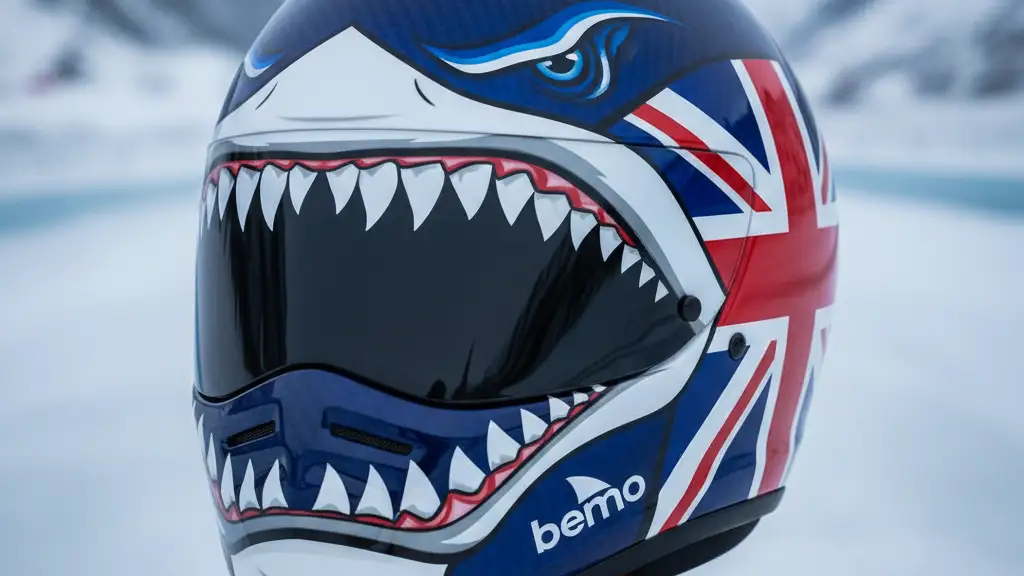
The British Bobsleigh and Skeleton Association (BBSA) has appealed a ban on a new helmet design for skeleton athlete Matt Weston, seeking clearance for the equipment at the Winter Olympics.
The BBSA challenges a federation ruling that labels the ridged helmet illegal under current rules. This legal battle hits the court just one day before the Games begin.
A CAS Ad Hoc Division panel meets Thursday to decide the gear's fate. The ruling directly impacts Weston’s performance as the men’s skeleton event looms on February 12.
The BBSA insists the design manages airflow to boost speed while meeting strict safety marks. They funded the project directly to ensure athlete welfare and peak performance.
The helmet meets a future 2027 safety directive but sits outside current Olympic regulations. This gap creates a sharp conflict between innovation and existing law.
The BBSA demands that CAS declare the helmet safe for the Milano Cortina 2026 Games and all future races. They seek a permanent green light for the advanced engineering.
Team GB officials maintain the equipment passes every safety test. They stand firmly behind the integrity of their design process despite the federation's pushback.
Team leaders believe the ban won't kill their gold medal chances. They express confidence in alternative gear if the court rejects the new design.
The BBSA plans to revert to World Cup equipment if the hearing fails. This fallback ensures Weston stays in the hunt for a podium finish.
Questions remain whether the banned helmet matches the gear used during the successful World Cup season. This detail could weaken or strengthen the BBSA’s legal stance.
Tight budgets forced Matt Weston and teammate Marcus Wyatt to share a bed during the lead-up. These resource constraints highlight the financial pressure on national programs.
The BBSA remains calm despite the looming verdict. Their access to proven backup gear allows a pragmatic approach to the legal drama.
The dispute exposes the friction between sports tech and rigid international rules. Governing bodies must balance fair play against the drive for faster times.
The federation’s ban suggests a strict reading of the law. This CAS ruling will set a precedent for how future gear innovations enter the sport.
For Weston, the verdict determines if he competes with the edge he desires. The BBSA’s appeal proves their commitment to giving athletes every possible advantage.
Financial realities continue to squeeze national federations. Limited cash affects everything from high-tech gear development to basic athlete housing.