UK Food Prices Set to Soar 50% by November Amid Inevitable 'Food Shock'
Economic pressures and systemic vulnerabilities threaten national food security, with calls for urgent action from a broad coalition.
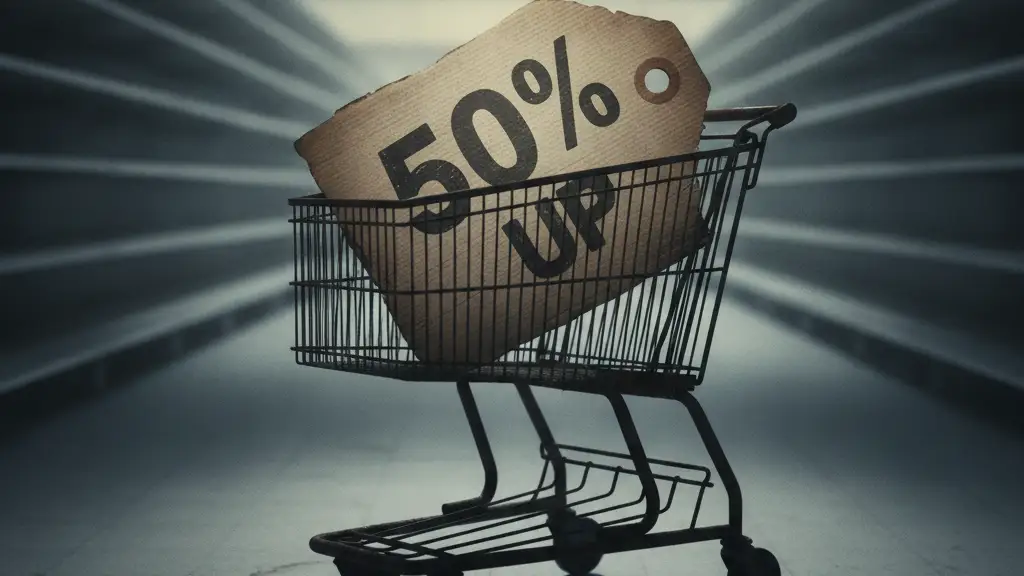
Image: Eddie Pollard / AI

Sarah Connor
UK food prices are projected to be 50 per cent higher by November compared to mid-2021 levels, signalling a deepening crisis in national food security.
International conflict has driven fertilizer costs up by approximately 40% since 2023. This surge directly inflates agricultural production expenses across the board.
This economic pressure hits hard as British fruit and vegetable production has already plummeted by 16% since 2015. Domestic supply chains tighten under the strain.
The human cost is undeniable: food insecurity now grips 15% of households with children. This statistic reveals immediate social fallout.
Campaigners confirm that struggling families, caught in this vise, abandon healthier options. They reduce fruit and vegetable consumption to cope with relentless price hikes.
The Government's National Security Assessment unequivocally states that global biodiversity loss poses a direct, existential threat to the UK's food supply. This highlights a critical environmental challenge.
Over 100 organizations have united, signing a powerful letter demanding that Andy Burnham prioritize food security. Their collective voice calls for immediate, decisive action.
Signatories of the letter to Andy Burnham indicated that The true cost of inaction on this issue already falls disproportionately on those with the least resources.
These signatories assert that the true cost of inaction on this issue already falls disproportionately on those with the least resources. Economic pressures relentlessly push a healthy diet further out of reach for countless families.
The cascading effect is clear: the National Health Service subsequently bears the crushing financial burden of these forced dietary shifts. This creates a systemic strain across vital public services.