UK Commits £8.4 Billion to Nuclear Submarine Programme
Investment targets Dreadnought-class submarines and aims to boost job creation across the defence sector.

Callum Smith
An £8.4 billion investment in the UK's nuclear submarine programme is set to be announced during the Prime Minister's visit to Barrow-in-Furness on Thursday.
The investment allocates £5.9 billion directly to BAE Systems, while an additional £2.5 billion targets the broader supply chain, supporting over 6,000 companies.
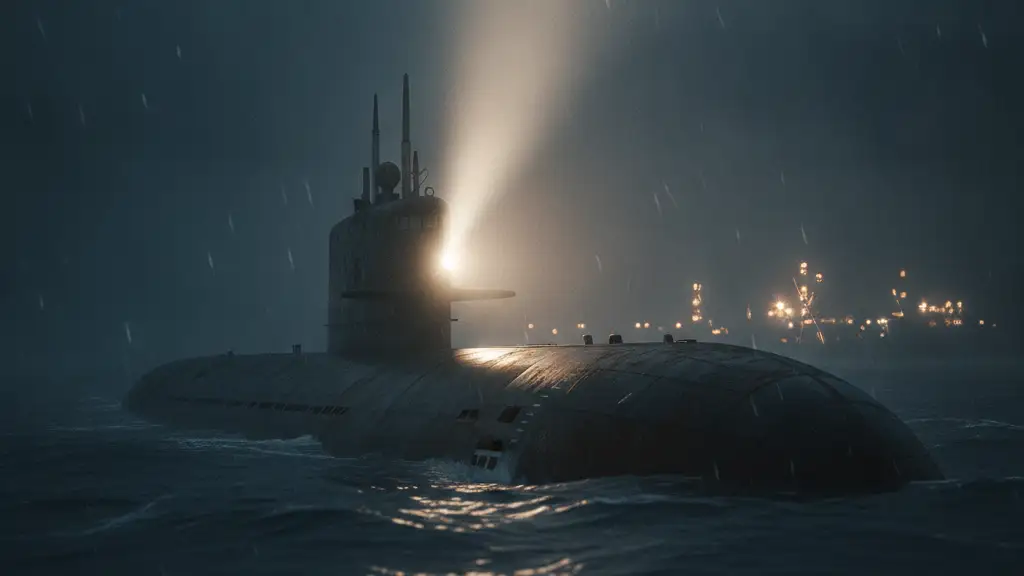
Dreadnought-class submarines will replace the UK’s aging Vanguard-class, ensuring the continuity of the nation's nuclear deterrent.
The UK’s Defence Nuclear Enterprise currently sustains approximately 47,000 British jobs, a figure forecast to rise to 65,000 by 2030.
Downing Street claims this new phase of contracts, part of the already agreed Dreadnought programme, will help support 18,000 extra jobs in nuclear defence by 2030.
The contracts also target 22,000 additional apprentices by 2035, supporting manufacturers through the construction phases of the third and fourth boats.
Rolls-Royce in Derby plays a crucial role, contributing to the construction of nuclear reactors powering the Dreadnought and other submarines.
AWE facilities in Aldermaston and Burghfield design and build the Trident warheads themselves.
Andy Burnham claims the government will provide further details in the coming weeks, outlining how major projects will benefit more regions, including Barrow.
Burnham also claims the investment will support tens of thousands of jobs, targeting the creation of 22,000 apprenticeships by 2035.
He further claims the money will support the first boat’s progress towards service readiness, with some cash also going towards getting the second boat, HMS Valiant, to its sea trials phase.
The Prime Minister's Office claims the Prime Minister will hail Barrow as a case study for how taxpayer investment in major Government projects can support long-term opportunities throughout the UK.
Keeping this country safe is the first responsibility of any Government.
Andy Burnham stated, "Keeping this country safe is the first responsibility of any Government."
Burnham added, "But security is not only about what we build, it is about who builds it, and who benefits from it."
He continued, "The submarines produced in Barrow will protect Britain for decades to come, and the 47,000 jobs and apprenticeships will change lives both in this town and in dozens of places like it."
Wes Streeting, addressing the investment, said, "Our nuclear-armed submarines are essential to keeping the UK secure, acting as the ultimate deterrent to our adversaries in an increasingly dangerous world."
Streeting further noted, "This milestone investment breathes new life into Barrow’s historic traditions and secures our commitment to deliver Dreadnought Class submarines by backing British industry."
This significant defence spending follows Chancellor John Healey’s resignation as Sir Keir Starmer’s Defence Secretary after the government stated it would raise defence spending to 2.68 percent of GDP.
Despite this, defence spending by the end of the decade will reach 2.7% of GDP, according to the Dip.
James Cartlidge expressed concern, stating, "It’s concerning that there is still no detail at all on the big promise of the strategic defence review, which was the procurement of ‘up to 12’ attack submarines."
Cartlidge added, "The Dip was meant to clarify exactly what ‘up to 12’ meant but we are still none the wiser."