Syrian National Charged with Crimes Against Humanity in London
A 58-year-old suspect faces murder and torture counts linked to the 2011 suppression of Damascus protests.
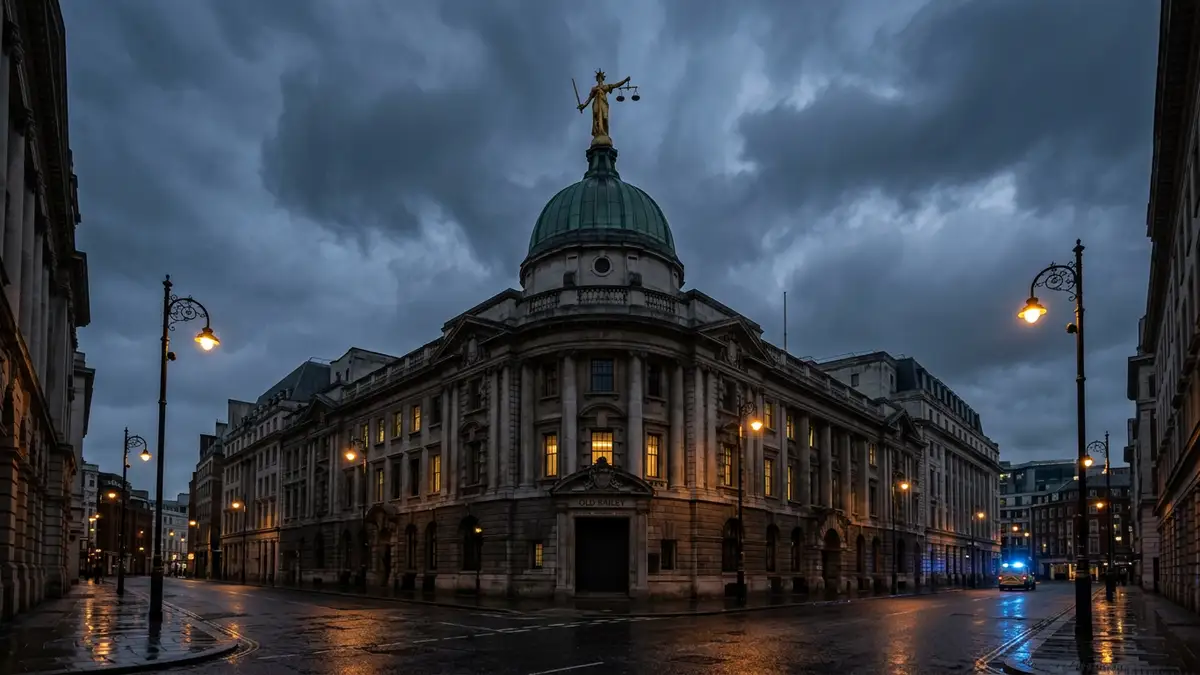
Image: Matt Weston / AI

Sarah Connor
A 58-year-old Syrian national living in the United Kingdom faces charges of murder as a crime against humanity and torture following a five-year investigation into his role within the Syrian state security apparatus.
The charges focus on the violent suppression of pro-democracy demonstrations in the Jobar area, located east of the Damascus city center. During the April 2011 uprising, the Syrian Air Force Intelligence operated as a primary security pillar for the state.
Prosecutors allege the man commanded a specific unit tasked with quashing uprisings across the Damascus suburbs. These operations deployed systematic force to terminate public dissent and targeted civilians participating in regional protests.
The Crown Prosecution Service confirmed the legal framework targets individuals involved in widespread attacks against non-combatants. The Syrian Air Force Intelligence Directorate operated detention centers where interrogators used torture to maintain absolute control.
This legal pursuit began in Buckinghamshire, where police arrested the suspect in December 2021. He remained on bail for three years until the War Crimes Team filed formal charges this week.
Legal representatives for the defendant applied for the suspect to be tried anonymously. This request seeks to shield his identity from the public record throughout the duration of the legal proceedings.
The case arrives as the political landscape in Syria undergoes a total and violent transformation. In December 2024, rebel groups led by Hayat Tahrir al-Sham seized control of the country's largest cities.
This rapid rebel offensive collapsed the central government and ended the 54-year rule of the Assad regime. This shift in power provides a new backdrop for international justice efforts regarding decade-old atrocities.
The International Criminal Court Act 2001 allows British domestic courts to prosecute individuals for international crimes committed abroad. This trial tests the application of that statute in a case involving state-sponsored violence.
Within the UK, the War Crimes Team continues to process evidence related to the long-standing conflict. Their mandate focuses on identifying and prosecuting individuals residing in Britain who are suspected of grave breaches of international law.
The 2011 crackdown in Jobar remains a focal point for investigators tracking the origins of the Syrian civil war. The charges of torture specifically address the treatment of individuals held during that period of intense civil unrest.
This upcoming court appearance establishes the initial timeline for a trial regarding international legal precedent. It signals a shift toward holding mid-level commanders accountable for their actions during the Assad era.
The Crown Prosecution Service and Counter Terrorism Policing have not released the names of the international partners involved. The five-year duration of the probe involves the verification of events from a closed conflict zone.
The proceedings at Westminster Magistrates' Court serve as the first formal step in a case that bridges British law and Syrian history. The outcome determines how the UK handles former foreign officials accused of state-sanctioned murder.
As the suspect enters the dock, international legal observers remain fixed on the London courtroom. The transition from the Damascus suburbs to a British magistrate's bench marks a new chapter in the pursuit of accountability.
The War Crimes Team analyzed thousands of documents and witness statements to build the evidentiary chain. These records detail the specific mechanics of the Syrian Air Force Intelligence's command structure during the 2011 protests.
The defendant faces specific counts under the Criminal Justice Act 1988, which covers the crime of torture by public officials. This statute grants UK courts universal jurisdiction over such acts regardless of where they occurred.
The Jobar district, once a thriving suburb, saw some of the earliest and most brutal interventions by state security forces. Witnesses describe the use of live ammunition and mass arrests to clear the streets during the initial 2011 surge.
The collapse of the Assad government in Damascus has not halted these proceedings in London. Instead, the transition of power in Syria adds a layer of urgency to the documentation of these historical crimes.
The suspect's appearance at Westminster Magistrates' Court initiates a process that could last several years. The court must now weigh the defense's anonymity claims against the principle of open justice.