Oil Surges Past $100 as Houthi Blockade, Tanker Strikes Escalate Red Sea Tensions
Global energy markets react to Houthi actions in critical maritime chokepoint, prompting international diplomatic and military shifts.
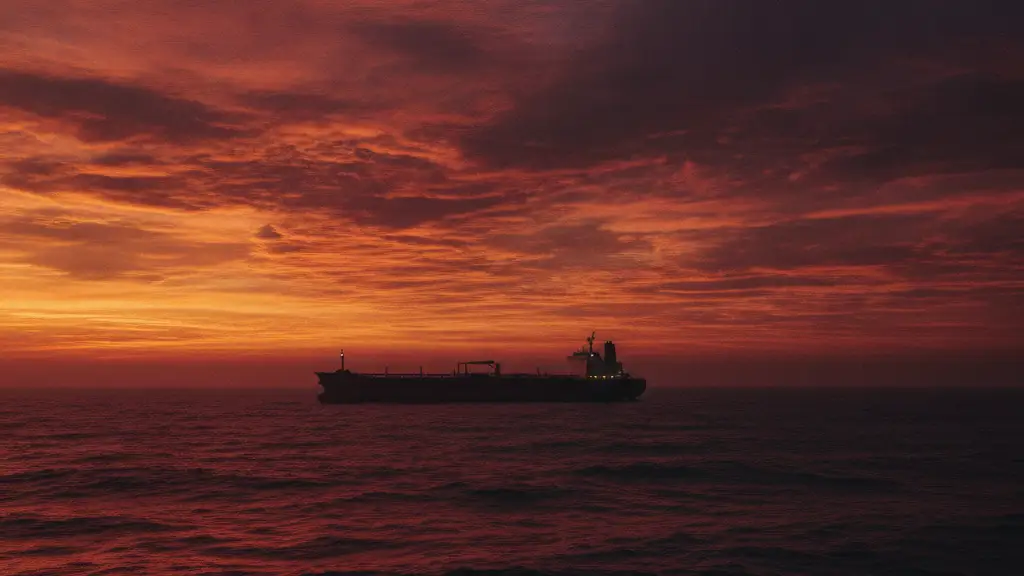
Image: Eddie Pollard / AI

Carla Rooney
Houthi forces have imposed a blockade on the Bab al Mandeb strait and attacked two Saudi oil tankers, driving global oil prices above $100 a barrel for the first time since May.
Sources confirmed the transfer of IRGC personnel and military equipment, alongside gold funding Houthi activities, on a July 13 flight from Tehran to Yemen.
IRGC personnel arrived to support Houthi operations and provide training on new missile systems, directly linking Tehran to the Red Sea aggressions.
The Houthis further announced a blockade of Saudi ports, specifically targeting the Red Sea port of Yanbu, tightening their grip on vital shipping lanes.
President Donald Trump stated he is considering a 'massive attack' against Iran, a potential military response larger than previous strikes.
Trump gives serious thought to restarting major combat operations in Iran and stands 'close to making a decision' on a 'massive attack' that would be 'bigger than ever before.'
They haven't received enough pain yet.
Trump claimed the Iranians 'want to negotiate' but are not ready to make a deal because 'They haven't received enough pain yet,' a stark declaration of intent.
Military sources, however, indicated no final decisions have been made and no new orders issued to US armed forces, maintaining a precarious balance.
The US has already beefed up its military presence around Iran, deploying a B-1 bomber, additional special operations forces, and 150 medics to a military hospital in Germany.
Further deployments include additional long-range bombers, an increased naval presence in the Strait of Hormuz, and reinforced air bases in the Middle East to enhance surveillance and rapid response capabilities.
The UK announced a temporary withdrawal of diplomatic staff from Iran, signaling a diplomatic fallout from the escalating tensions.
The German military also announced it would withdraw two vessels from the Red Sea, reflecting broader European concern over the security situation.
The US House of Representatives narrowly passed a resolution to halt US military action in Iran, indicating domestic political divisions over potential intervention.
Trump has also escalated his rhetoric against Iran, hinting at the US's preparedness to bomb an underground tunnel complex at the Pickaxe mountain site.
Israel alleges Tehran has hidden centrifuges for uranium enrichment at the Pickaxe mountain site, adding another layer of urgency to nuclear proliferation concerns.
The historical context of these events roots itself in decades of geopolitical friction in the Middle East, a region perpetually on the brink.
The Bab al Mandeb strait has served as a flashpoint for regional conflicts for centuries due to its strategic importance, controlling access between the Indian Ocean and the Mediterranean.
The current crisis adds to existing pressures on European oil supply, which has already been impacted by Ukrainian strikes on Russian oil refineries, creating a compounding energy crisis.
Trump clarified that any agreement for Saudi Arabia to receive US help with its civilian nuclear program would require the kingdom to normalize relations with Israel through the Abraham Accords, a significant diplomatic condition.
It later emerged that Trump had not spoken to Saudi Arabia about this new condition regarding nuclear program assistance, adding a layer of complexity to diplomatic efforts.
The future of global energy security and regional stability now hinges on immediate responses from international powers and the continued actions of Houthi forces in the Red Sea, a volatile and unpredictable landscape.