England Bans Energy Drink Sales to Under-16s
New legislation targets high-caffeine beverages, imposing fines up to £2,500 for retailers violating the 2027 mandate.
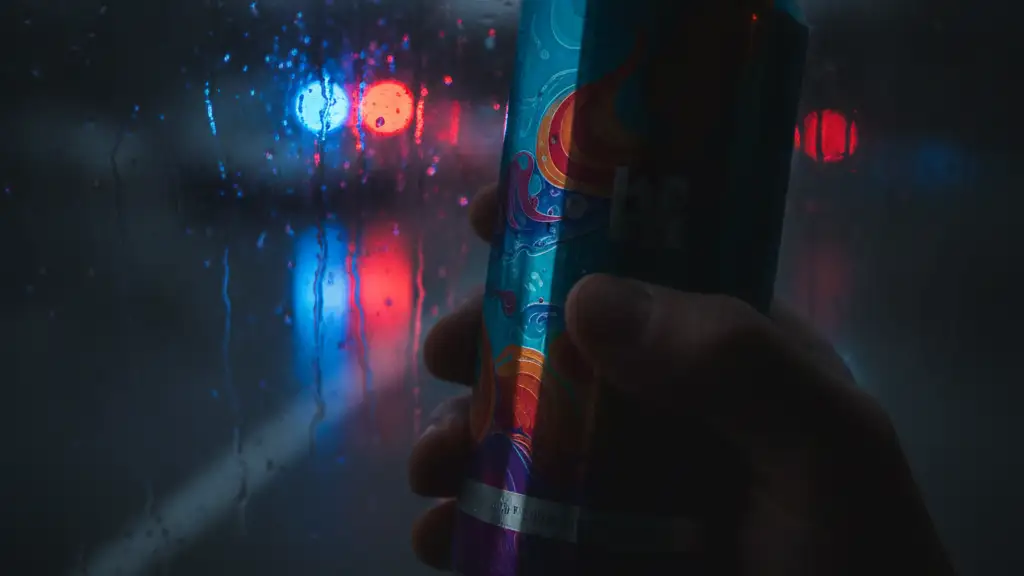
Image: Eddie Pollard / AI

Callum Smith
England will prohibit the sale of high-caffeine energy drinks to individuals under 16, with the new regulations set to commence in April 2027.
Businesses found in violation of the new law face substantial financial penalties, with fines reaching up to £2,500 for each infraction.
The government implements these new rules through secondary legislation, utilizing powers granted by the Food Safety Act 1990. This mechanism allows swift regulatory action on critical public health matters.
This legislative action follows years of intense debate regarding the health impacts of high-caffeine beverages on developing adolescents. Public health advocates consistently pushed for stricter controls, citing widespread consumption among minors.
Around 100,000 children in England consume energy drinks high in caffeine every day. This widespread consumption drove concerns among medical professionals and educators, prompting calls for intervention.
High-caffeine energy drinks have no place in children’s hands.
Sharon Hodgson, Parliamentary Under-Secretary of State for Public Health and Prevention, stated unequivocally that high-caffeine energy drinks have no place in children’s hands. Hodgson confirmed evidence demonstrates these drinks cause anxiety, affect sleep and concentration, and detrimentally impact education.
The new ban directly addresses these documented risks, particularly for vulnerable populations. Children living in more deprived areas and households consume these drinks more often, increasing health risks and impairing their learning capabilities.
Hodgson added that children from poorer backgrounds consume these drinks more often, intensifying health risks in deprived communities.
Some popular energy drink brands contain more caffeine than two cups of coffee or four cans of cola. This high caffeine content poses significant risks to young, developing bodies, leading to serious public health warnings.
Excessive consumption has been linked to headaches and sleep problems; although rare, some deaths have been tied to excess caffeine intake. Beyond the immediate caffeine effects, the Association of UK Dieticians claims the sugary versions of these drinks contribute directly to obesity and cause damage to teeth.
The sugary versions of these drinks contribute directly to obesity and cause damage to teeth.
These health concerns extend beyond caffeine's immediate effects, encompassing broader nutritional impacts. Historically, similar legislative efforts targeted products deemed harmful to minors, such as tobacco and alcohol.
This ban aligns with a long-standing tradition of protecting young people through regulation, marking a significant shift in public health policy. The policy targets a product widely available to young people for decades, reflecting evolving scientific understanding and societal priorities.
The implementation in April 2027 provides a transition period for retailers to adjust their practices and for local authorities to establish robust enforcement mechanisms. This allows for a structured rollout, ensuring all stakeholders can prepare adequately.
The long-term implications of this ban could include a reduction in childhood obesity rates and improved educational attainment. Public health officials anticipate a measurable positive impact on youth well-being across the nation.
This policy also sets a precedent for future interventions targeting food and beverage products with documented negative health impacts on specific demographics. It signals a proactive approach to public health, addressing emerging threats to youth.
Boys consume energy drinks more often than girls, indicating a gendered pattern in consumption that the new ban aims to address. This demographic insight informed the policy's scope, ensuring targeted intervention.