England's Schools to Ban Deep-Fried Foods by 2027 Under New Standards
Major overhaul targets healthier meals, increased fibre, and expanded free breakfast clubs across the nation.
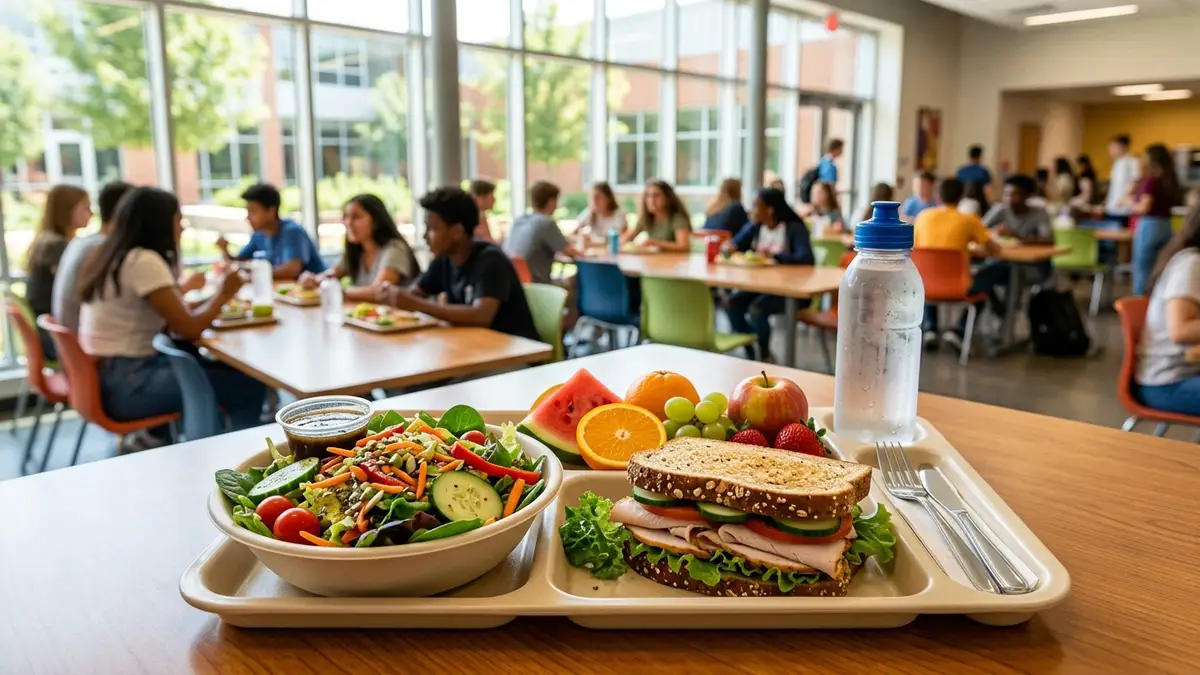
Image: Matt Weston / AI

Callum Smith
Deep-fried foods will vanish from school menus across England by September 2027, marking the most significant update to school meal guidelines in 13 years.
New regulations mandate all desserts contain at least 50 percent fruit, directly limiting sugary treats for millions of schoolchildren. This represents a dramatic shift in the nutritional landscape.
Schools will also cease offering unhealthy 'grab and go' options such as sausage rolls and pizza on a daily basis. This directly reshapes daily eating habits for young people.
Beyond the legal debate, the government projects an extension of free school meals, beginning in the 2026 school year. This initiative will benefit an additional half a million children daily.
This expansion saves parents nearly £500 annually. It also lifts 100,000 children across England out of poverty.
The initiative builds on a historical commitment to child welfare. It echoes past public health campaigns that improved the diets of young people.
For decades, school meals have been a battleground for nutritionists and policymakers. Previous reforms often faced logistical and financial hurdles.
The current push for healthier options addresses growing public concern over childhood obesity rates. It also confronts the long-term health implications for the National Health Service (NHS).
Sir Keir Starmer champions these plans, which support future health, during a visit to Greater Manchester on Monday. He also promotes the opening of more free breakfast clubs as part of his ongoing cost-of-living tour.
We’re expanding free breakfast clubs in places like Greater Manchester because they’re a proven way to help families save up to £450 a year, while giving parents back precious time in the morning.
To ensure compliance, each school will publish its menus online. This proposal is currently under a nine-week consultation that began Monday.
These standards, developed with health experts and nutritionists, increase fibre intake. They ensure more fruit, vegetables, and wholegrains are available.
Education Secretary Bridget Phillipson stated, “Every child deserves to have delicious, nutritious food at school that gives them the energy to concentrate, learn and thrive – meals that children will actually recognise and enjoy, backed by robust compliance so that good standards on paper become good food on the plate.”
Campaigner Dame Emma Thompson of the Food Foundation charity called school meals “a golden opportunity to support children’s health, learning and wellbeing.” Thompson added, “Getting this right means children across the country can truly thrive.”
This is a landmark moment for families, for the NHS, and for the future of our young people.
She continued, “This is a landmark moment for families, for the NHS, and for the future of our young people.”
Former government food tsar Henry Dimbleby stated that if implemented correctly, the changes “will boost children’s health, their academic outcomes and their chances of success in later life.”
Dimbleby also stressed that the standards would succeed only if the Government adheres to the timetable. Furthermore, schools and caterers must receive adequate support and accountability.
Chef and campaigner Jamie Oliver expressed delight, stating, “My Good School Food Awards prove that world-class meals are possible right now, and every child deserves that same quality.”
Oliver declared, “So, I’m delighted this Government is now updating and enforcing these standards.” He then added, “School food is the most important restaurant chain in the country.”
D’Arcy Williams, CEO of Bite Back, found it “deeply worrying that so many children are consuming too much sugar, and that three-quarters of parents are concerned about what their children are eating.”
The new rules apply from September, shifting the nutritional landscape of school meals across England.