UK Imposes New Social Media Curbs for 16 and 17-Year-Olds
Government mandates default settings to disable addictive features and require AI chatbot breaks, sparking debate on effectiveness.

Carla Rooney
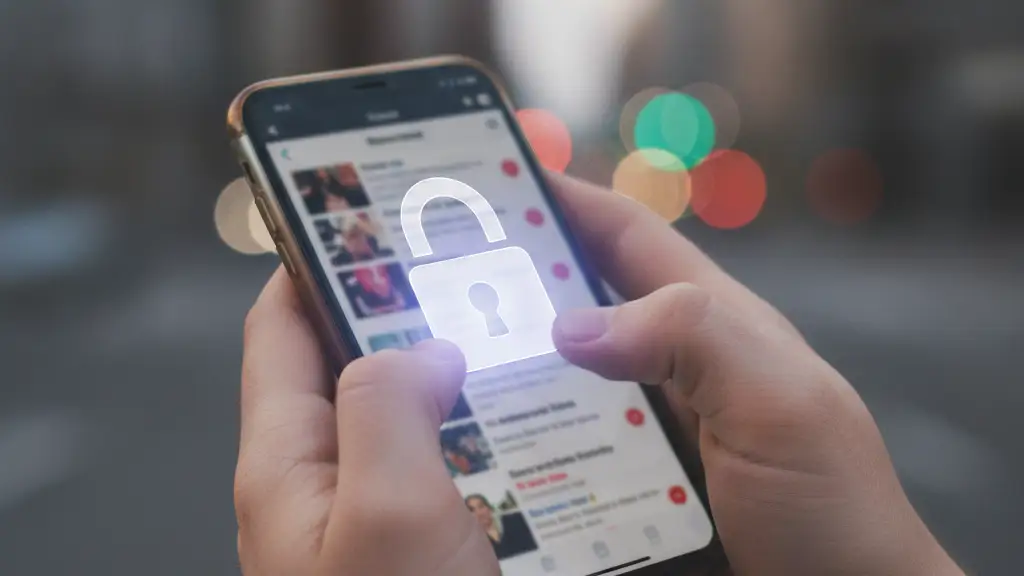
The UK government has introduced new social media restrictions for 16 and 17-year-olds, mandating default settings that disable addictive features and require breaks in AI chatbot use.
New measures include a voluntary overnight curfew, active between midnight and 6 am, curbing late-night digital engagement for teenagers.
Default settings will disable addictive features, requiring breaks in AI chatbot use for this age group.
Beyond these immediate changes, the government also plans to issue guidance on safe AI use and strengthen media literacy teaching within schools.
Features such as auto-playing videos will switch off by default for older teenagers; users must actively enable them.
These planned restrictions represent some of the final legislative acts of Prime Minister Keir Starmer's government.
A pilot program involving over 300 teenagers and parents demonstrated a reduction in social media usage, alongside improvements in sleep and concentration.
The Department for Science, Innovation and Technology (DSIT) confirmed that overnight curfews in this pilot improved sleep and concentration.
These new measures involve default settings preventing access to certain features; users retain the ability to opt out.
Ministers also consider an outright ban on chatbots posing a serious threat to children, expanding the scope of online protection.
These proposals form part of the government's broader efforts to shield the next generation from online harms.
Age checks now operate across pornography, social media, dating, and gaming sectors, marking a significant landscape shift.
Kanishka Narayan, the UK's online safety minister, stated that 90% of teenagers would not turn off features such as curfews.
Narayan also claimed these voluntary restrictions empower teenagers, preventing a 'cliff edge' transition to unrestricted access.
The plans position the UK firmly on the side of parents and families, making Britain the safest place for young people in their experiences online.
Narayan asserted that the plans position the UK 'firmly on the side of' parents and families, making Britain 'the safest place for young people in their experiences online.'
Liz Kendall, Technology Secretary, stated that a government consultation provided a clear message: even as young people gain independence at 16, they require protection from addictive online features.
Historically, debates surrounding youth access to media mirrored these concerns, from television's introduction to the internet's rise.
Each technological leap brought calls for protective measures, creating a consistent societal tension between individual freedom and safeguarding minors.
Critics raised doubts about the effectiveness of these proposals, citing the ability of 16 and 17-year-olds to deactivate the default settings.
Laura Trott argued that curfews teenagers can simply switch off achieve nothing meaningful.
Trott also questioned the logic of giving 16-year-olds the vote while simultaneously placing them under a social media curfew.
The new regulations impact various stakeholders, from technology companies facing implementation costs to parents navigating their children's digital lives.
Economically, the tech industry will see shifts in user engagement metrics, influencing advertising revenues and product development strategies.
The long-term implications include a generation of young adults with different digital habits, altering future social interaction norms and online commerce.
Harvey, 16, stated that the opt-out nature of the curfew renders the entire initiative meaningless.
Alex, 16, called the curfew proposals 'ridiculous' and predicted that almost everyone would simply turn the settings off.
Meliha, 16, described the idea of a curfew for 16- and 17-year-olds as 'silly'.
The evidence base is clear, the motivation is very clear and I wouldn’t do the disservice to teenagers of saying they’re all going to switch it off.
Kanishka Narayan countered these concerns, stating, 'The evidence base is clear, the motivation is very clear and I wouldn’t do the disservice to teenagers of saying they’re all going to switch it off.'