BBC and Bafta Issue Apologies After Racial Slur Broadcast During Film Awards
Broadcasting failure and censorship allegations overshadow the annual ceremony as producers miss involuntary tics despite a seven-second delay
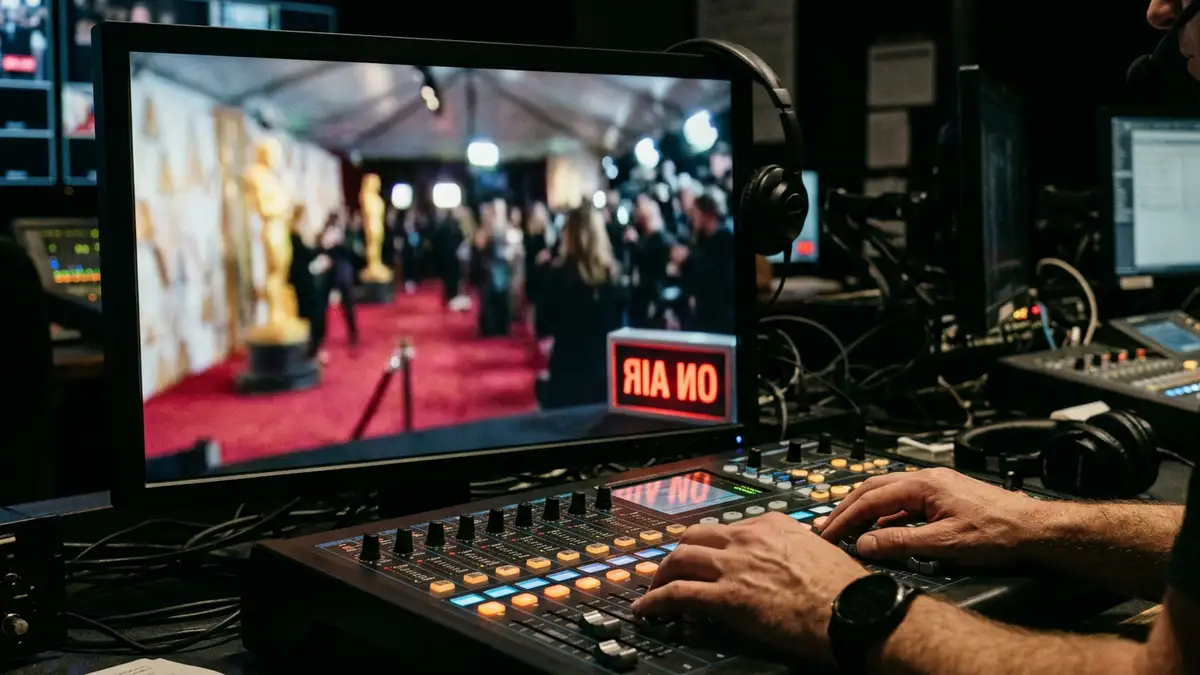
Image: Matt Weston / AI

Sarah Connor
The BBC and Bafta have issued formal apologies after a racial slur uttered by a guest with Tourette’s syndrome reached millions of viewers during the televised film awards ceremony.
Internal BBC memos confirm that staff alerted the production team to the error immediately after the slur hit the airwaves. Producers in the technical gallery claimed they did not hear the specific word during the live mixing process.
John Davidson demanded the BBC take greater accountability for the broadcast of his involuntary vocalization. He previously received assurances that any offensive tics would vanish during the final edit.
The failure exposed a total breakdown in communication between the on-screen talent and the technical engineers. Davidson maintains that the network holds absolute responsibility for every second of its broadcast output.
We were all let down by decisions made to both broadcast slurs and censor free speech.
Broadcasters deploy a seven-second delay to intercept prohibited language and involuntary tics before they reach the public. This mechanism failed to catch the slur during a time slot reserved for general audiences.
The BBC now spearheads an audit of the noise-canceling and filtering software utilized during the 2024 ceremony. This review targets the specific failure within the audio monitoring booth.
Alan Cumming labeled the Bafta film award ceremony trauma-triggering. He attacked the production team for failing to manage the broadcast content effectively.
'We were all let down by decisions made to both broadcast slurs and censor free speech,' Cumming stated. His words targeted both the broadcast of the slur and the subsequent handling of acceptance speeches.
During the same window, filmmaker Akinola Davies Jr. watched the network censor his acceptance speech. This move triggered immediate condemnation from attendees regarding the editorial control exerted by the BBC.
The censorship of Davies Jr. ignited a broader conflict regarding the limits of political expression during televised ceremonies. Industry stakeholders now weigh broadcast regulations against the necessity of artistic freedom.
Economic stakes for Bafta remain critical as the ceremony functions as the primary marketing engine for the British film industry. The BBC controls the domestic rights to the event, which attracts millions of viewers annually.
The mockery of Davidson’s condition as one of the most despicable acts he had witnessed.
Public reaction hit a fever pitch, with Piers Morgan addressing the treatment of Davidson. He described the mockery of Davidson’s condition as one of the most despicable acts he had witnessed.
The broadcast standards regulator enforces strict guidelines regarding offensive language before the 9:00 PM watershed. This incident constitutes a significant breach of those established legal protocols.
Bafta officials confirmed a total review of their protocols for live-to-tape events. The organization intends to eliminate technical oversights in all future ceremonies.
The BBC issued a public apology while reiterating its commitment to editorial standards. The network faces intense pressure to explain how the specific audio bypassed the monitoring team.
Live broadcasts historically struggle with involuntary vocalizations, yet the seven-second buffer exists specifically for these contingencies. The collapse of this system at a national event triggered an industry-wide review of safety nets.
The intersection of disability rights and broadcast standards remains a volatile point of contention for the network. Davidson's experience suggests that current safeguards fail guests with involuntary tics.
The BBC must now reconcile its editorial oversight with the requirements of inclusive live programming. The final report on the audio monitoring failure will dictate software requirements for the 2025 awards season.
Engineers continue to dissect the digital logs to identify why the filtering software failed to trigger. The results will determine the future of live-to-tape protocols across the British media landscape.