BAFTA and BBC Face Scrutiny After Racial Slur Broadcast During Awards Ceremony
Internal investigations follow the failure to edit offensive tics from the televised program despite prior assurances to the attendee.
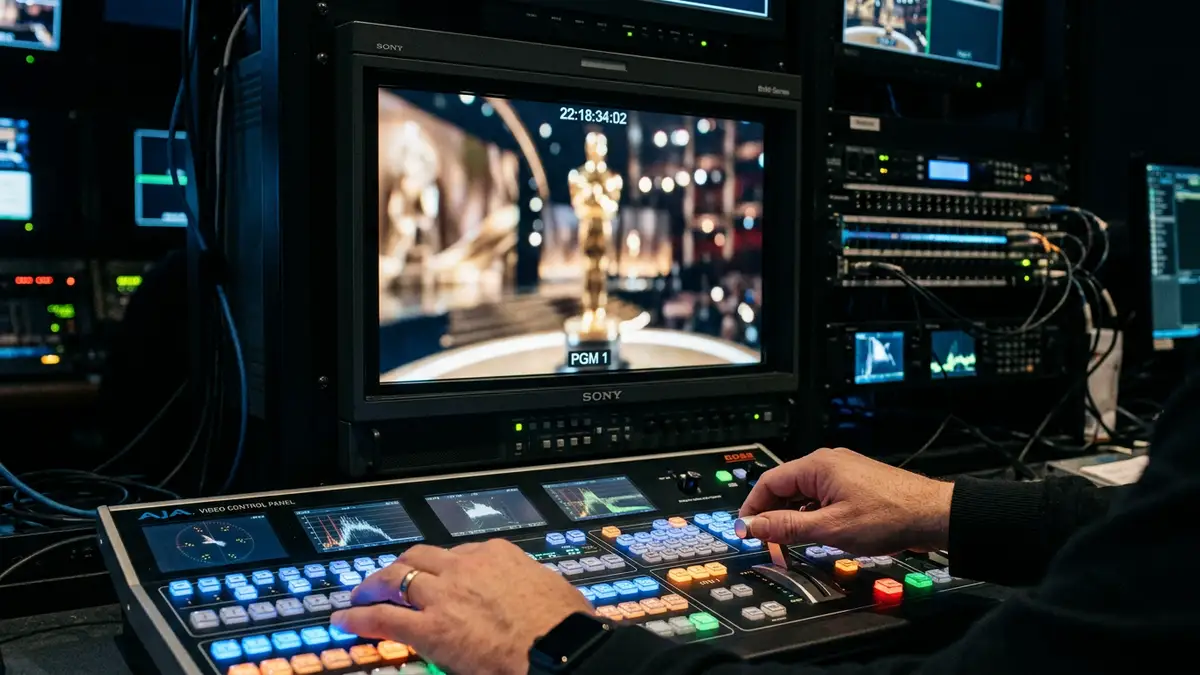
Image: Matt Weston / AI

Callum Smith
The BBC launched an internal investigation after broadcasting a racial slur shouted during the Bafta awards ceremony, sparking a review of editorial standards and live event management.
BAFTA issued a formal apology as public criticism mounted against the organization and the BBC. Both entities now face intense scrutiny for allowing the slur to remain in the final televised footage.
Davidson stated he is deeply mortified by the events at the ceremony. He received explicit assurances from organizers before the event that any offensive involuntary tics would be removed from the final broadcast.
I am deeply mortified by the events at the ceremony.
The BBC acknowledged that the slur should have been edited out of the program before it reached viewers. This failure sits in contrast to the broadcaster's standard practice of refining ceremonies for both time and content.
Editors removed political statements from the broadcast while the racial slur remained in the version shown to the public. This prioritization of political sanitization over the removal of hate speech drew sharp rebukes from advocacy groups.
Delroy Lindo and Michael B. Jordan received immediate public support following the broadcast. Lindo stated that he wished a representative from BAFTA had spoken to him directly after the slur was shouted during the recording.
The lack of immediate communication on the night left the actors without context. Thierry Mabonga stated that actors attending the event should have been warned about Davidson's condition beforehand to prevent such a vacuum of information.
Actors attending the event should have been warned about Davidson's condition beforehand to prevent such a vacuum of information.
Jamie Foxx claimed that Davidson meant the slur during the ceremony. This assertion directly contradicts the medical nature of Davidson's condition, which identifies such outbursts as involuntary symptoms of Tourette syndrome.
The internal probe now focuses on the specific breakdown within the editing suite. Technicians and producers face questioning on how a known offensive tic bypassed multiple layers of editorial review.
Historically, the BBC has maintained rigorous standards for pre-recorded events to ensure compliance with Ofcom regulations. This lapse represents a significant departure from established protocols regarding offensive language.
Stakeholders in the neurodiversity community expressed concern that the incident may lead to the exclusion of individuals with Tourette syndrome from high-profile events. They argue the failure lies with the broadcasters, not the attendee with a documented medical condition.
Political figures and industry leaders have pressured BAFTA to detail specific changes for future ceremonies. The organization has yet to provide a roadmap for how it will handle similar neurological conditions in a live-to-tape environment.
The broader industry landscape is shifting toward more inclusive live environments, yet this event highlights the technical challenges of real-time sensitivity. Industry experts suggest that the reliance on automated or rushed editing processes may be a contributing factor.
BAFTA officials continue to face questions regarding their immediate response to Lindo and Jordan on the night of the recording. The delay in addressing the victims of the slur has been cited as a failure in talent management and event safety.
The BBC's investigation remains ongoing as the broadcaster evaluates its compliance with internal editorial standards. This review will likely result in new mandates for the monitoring of all pre-recorded awards shows.
Davidson remains at the center of the controversy despite his stated regret and the involuntary nature of his tics. His experience serves as a focal point for discussions on how media institutions balance inclusivity with the duty to protect viewers from offensive content.
Future implications for the BBC include potential regulatory fines if the investigation finds gross negligence of broadcasting codes. The outcome of this probe will set a precedent for how involuntary speech is handled in the British media landscape.