BBC Removes Bafta Broadcast Following Unfiltered Racial Slur
Broadcaster pulls ceremony from iPlayer after John Davidson speaks N-word during Best Visual Effects presentation
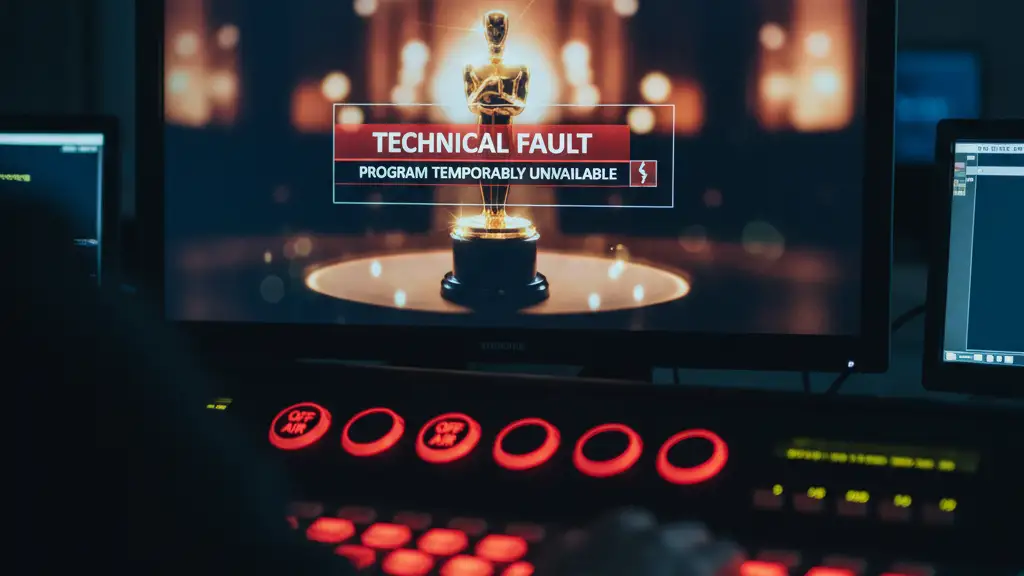
Image: Matt Weston / AI

Callum Smith
The BBC has scrubbed the 77th British Academy Film Awards from its iPlayer streaming service after a guest with Tourette syndrome spoke a racial slur during the live broadcast.
Michael B. Jordan and Delroy Lindo stood center stage to present the Best Visual Effects award when a vocal tic from the audience shattered the ceremony's choreographed silence. John Davidson, an attendee with Tourette syndrome, involuntarily uttered the N-word as live microphones captured the sound for millions of viewers.
Alan Cumming took the stage before the outburst to establish the ground rules for the evening. He informed the star-studded room of Davidson's condition to prepare the audience for any involuntary vocalizations during the live recording.
BBC technical teams scrubbed the footage from digital platforms within hours of the initial transmission. This emergency intervention halted thousands of active streams as the broadcaster scrambled to comply with zero-tolerance guidelines against racial epithets.
Nah he meant that.
The 2024 ceremony follows a decade of BAFTA attempting to modernize its rigid broadcast standards. The organization overhauled its entire voting membership in 2020 after a firestorm of criticism regarding the lack of diverse representation.
This interruption stalls the seamless delivery of high-value content to global syndication partners. The BAFTAs function as a primary economic engine for the British film industry, generating millions in domestic and international licensing fees annually.
The sudden removal of the content paralyzes the standard post-awards viewership cycle for a show that peaked at several million television viewers. Editors now manually review the entire three-hour broadcast to identify additional compliance risks.
The BBC faces immediate pressure from disability advocacy groups and racial justice organizations regarding its failed live-delay protocols. Tourettes Action Vice Chairman Ed Palmer stated the broadcaster possessed the technical means to bleep the slur.
Palmer insists the responsibility for the broadcast's integrity rests solely with the network's technical execution. He noted that the BBC failed to utilize the standard delay tools designed to prevent such language from reaching the public airwaves.
The responsibility for the broadcast's integrity rests solely with the network's technical execution. The BBC failed to utilize the standard delay tools designed to prevent such language from reaching the public airwaves.
Industry stakeholders watch the fallout as the BBC navigates the friction between authentic representation and the enforcement of hate speech policies. The use of the N-word violates the Watershed and Ofcom broadcasting codes regardless of the speaker's intent.
Regulators track these specific incidents to determine if a broadcaster failed to exercise due discretion during a live event. Michael B. Jordan and Delroy Lindo continued their presentation immediately following the outburst without a cut to a commercial break.
Jamie Foxx disputed the involuntary nature of the remark from his position in the room. Foxx claimed, 'Nah he meant that,' according to witnesses near the actor.
Tourette syndrome affects approximately one percent of the school-age population across the United Kingdom. Advocacy groups leverage high-profile events like the BAFTAs to increase the visibility of the condition's physical and vocal manifestations.
The incident marks a definitive moment in the intersection of live television production and disability rights. Future broadcasts will likely implement longer time-delays to allow for real-time audio editing of involuntary tics.
The BBC has refused to provide a specific timeline for when a censored version of the ceremony will return to the iPlayer platform. The production crew's failure to intercept the audio forced a total blackout of the digital archive.
The 77th awards featured 25 categories and remains a central pillar of the British Academy's annual calendar. This breach of protocol forces a re-evaluation of how live events accommodate neurological diversity while maintaining strict broadcasting standards.
The financial implications of the blackout ripple through the advertising sector as digital impressions plummet during the peak 24-hour window. Marketing executives are calculating the lost value of the missing streams as the archive remains offline.
Ofcom's investigation will focus on the five-second delay window typically used for live high-profile broadcasts. If the regulator finds the BBC negligent, the broadcaster faces significant fines and a mandatory review of its live-event procedures.
The physical movement of the production staff in the control room mirrored the chaos of the digital scrub. Technicians worked through the night to isolate the audio track and prepare a compliant master for international distribution.
This event serves as a case study for the limitations of current live-editing technology in the face of unpredictable human behavior. The industry now looks to AI-driven audio filtering as a potential solution for future live broadcasts.