BBC Pulls BAFTA Broadcast Following Racial Slur Incident
A technical failure during the delayed transmission allowed a slur to reach millions, sparking a crisis for the British Academy.
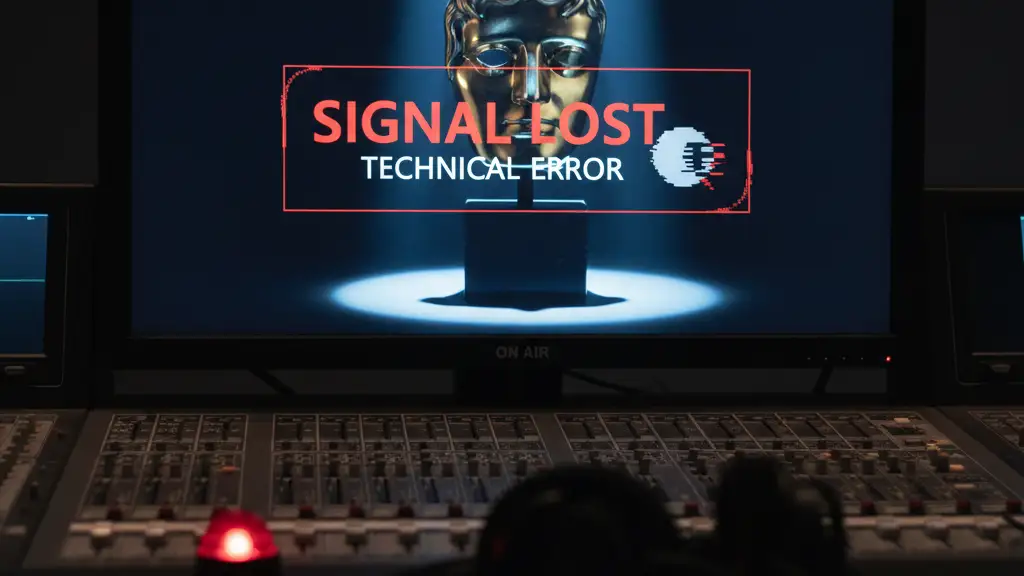
Image: Matt Weston / AI

Sarah Connor
The BBC has scrubbed the BAFTA Film Awards from its iPlayer streaming service after a racial slur shouted from the audience was broadcast to the public.
Actors Delroy Lindo and Michael B. Jordan stood on stage to present a category when the live proceedings fractured. John Davidson, an audience member with Tourette’s syndrome, shouted the N-word during their presentation.
The slur bypassed the BBC editorial process and hit the airwaves despite the ceremony operating on a two-hour delay. The broadcaster issued an apology and pulled the programme from its platform for emergency re-editing.
The situation reflected an expectation for Black people to accept dehumanization to avoid making others feel uncomfortable.
Gareth Barlow confirmed that while the awards were filmed prior to transmission, the post-production process failed to remove the audio. This failure to intercept the slur drew immediate condemnation from political and industry figures.
Ed Palmer, vice chairman of Tourettes Action, stated the BBC should have bleeped the slur to prevent its broadcast. Conservative leader Kemi Badenoch described the failure to edit the word as a 'horrible mistake.'
Production designer Hannah Beachler reported that the slur occurred three times during the event, including once directed at her. She also encountered Davidson’s involuntary slurs while traveling to the post-show dinner.
The atmosphere inside the Royal Festival Hall shifted as the reality of the broadcast failure reached the attendees. Beachler criticized the closing apology of the broadcast, labeling the 'if you were offended' phrasing as a throwaway remark.
Actor Jamie Foxx challenged the nature of the outburst on social media, writing that the incident was 'unacceptable' and claiming Davidson meant the slur. Wendell Pierce expressed anger at the response, describing the initial apologies to Lindo and Jordan as insufficient.
Delroy Lindo stated he expected a representative from BAFTA to speak to him and Michael B. Jordan immediately following the incident. This lack of intervention has become a focal point for critics of the evening's management.
The incident was unacceptable.
Journalist Jemele Hill commented that the situation reflected an expectation for Black people to accept dehumanization to avoid making others feel uncomfortable. High-profile attendees reacted to the disruption by abandoning traditional media obligations.
Leonardo DiCaprio refused to speak to the press or participate in his scheduled photo call following the ceremony. He exited the venue, bypassing the gauntlet of waiting photographers.
Actress Jessie Buckley also bypassed the winners' room as the broadcast faced criticism for appearing unprofessional. These actions occurred as the technical failure of the production overshadowed the cinematic achievements.
Robert Aramayo secured both the EE Rising Star Award and the Best Actor category during the night's proceedings. However, the conversation remained fixed on the breakdown of broadcasting standards.
A production designer for the film Sinners alleged she was also subjected to Davidson's involuntary racial slurs during the event. This adds to the accounts of multiple individuals who encountered the verbal outbursts throughout the night.
The BBC's decision to pull the content follows a history of Reithian standards that critics argue the current BAFTA format fails to meet. Observers described the broadcast as reckless in its failure to manage the live environment.
This strategic shift has prompted calls for the BAFTAs to overhaul their broadcasting strategy entirely. Some observers suggested the ceremony should move to a digital-first platform like YouTube to align with the current model used by the Oscars.
The failure to manage the audio feed has raised questions about the efficacy of the two-hour delay system. Industry stakeholders are now weighing the necessity of more robust live-editing protocols to protect both the subjects and the audience.
The BBC continues to scrub the audio for a re-release while the focus remains on the lack of immediate support for the presenters targeted. The event concludes with a fractured reputation for a ceremony that traditionally serves as the pinnacle of British cinema.