US and Saudi Forces Strike Iran-Backed Militias in Eastern Iraq Amid Rising Regional Tensions
Airstrikes target Tehran-backed groups, triggering economic shifts and diplomatic fallout across the Middle East.
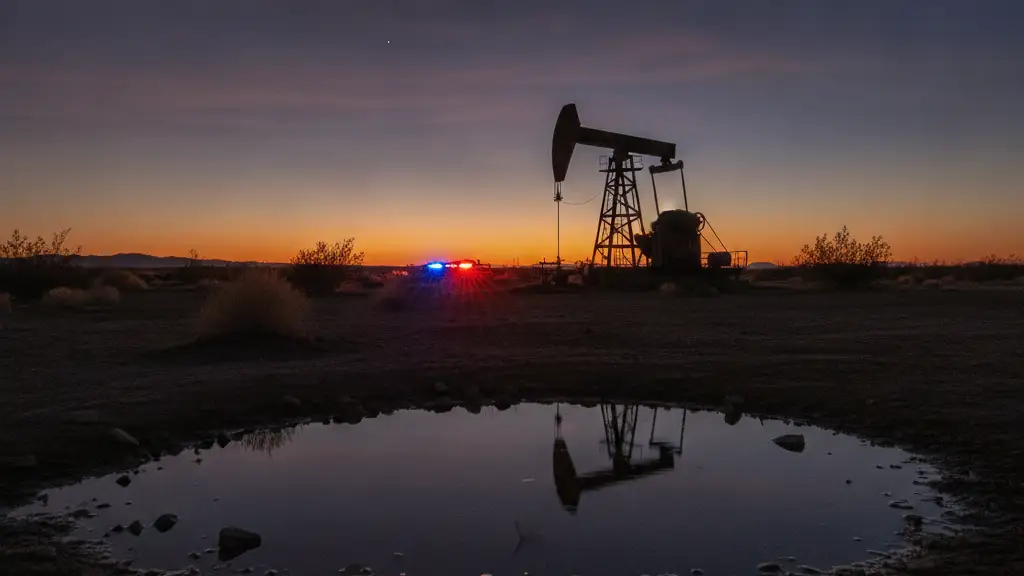
Image: Eddie Pollard / AI

Callum Smith
The United States and Saudi Arabia have launched joint airstrikes against Tehran-backed militias in eastern Iraq, escalating regional tensions.
The Iraqi presidency swiftly condemned the recent air raids, characterizing them as a direct violation of Iraq’s sovereignty.
In a significant diplomatic rupture, Iraq's Prime Minister Ali al-Zaidi cancelled a planned meeting with Saudi Crown Prince Mohammed bin Salman following the strikes.
Harakat Hezbollah al-Nujaba, an Iran-backed militia operating in Iraq, issued a stark warning, declaring Washington's and Riyadh's interests and security would face severe consequences.
This threat signals potential for further retaliatory actions across the volatile region.
The strikes unfolded against a backdrop of heightened regional instability; Yemen's Iran-backed Houthi rebels had announced a blockade of Saudi ports and cargoes at the entrance to the Red Sea just a week prior.
Jordan's military successfully intercepted Iranian strikes targeting Muwaffaq Salti Air Base.
The PMF, a formidable force within Iraq, maintains deep historical ties to Iran; Qassem Suleimani, the former head of the Quds Force, once oversaw its efforts before a US strike killed him during Donald Trump's first term.
This historical context illuminates long-standing tensions and the intricate web of alliances defining the region.
US President Donald Trump claimed the strikes in Iraq were coordinated directly with the Iraqi government, an assertion that immediately drew scrutiny.
This statement stands in direct contradiction to the Iraqi presidency's condemnation, which unequivocally labelled the raids a clear violation of its national sovereignty and a breach of international law.