US Strikes Continue as Oil Prices Surge Amid Escalating Tensions with Iran
Tehran's actions in the Strait of Hormuz trigger a naval blockade and drive global oil benchmarks above $90 a barrel.

Callum Smith
The United States has launched its ninth consecutive day of strikes, targeting military sites and communications networks across Iran on Monday morning, as regional tensions escalate dramatically.
Its crew abandoned ship as fire consumed the vessel.
Three US troops died in Jordan and Iraq over the past few days; a fourth US service member remains missing from an attack last week on a base in Jordan.
The US confirmed finding unidentified remains in Jordan, with verification ongoing to determine their identity.
Beyond military targets, Iran struck civilian infrastructure, including a power and desalination plant in Kuwait.
On Saturday, Bahrain intercepted Iranian missiles, while air raid sirens blared across the country.
Kuwait reported its air defenses responded to hostile drones, confirming a broader pattern of Iranian attacks across the region.
President Donald Trump stated, "Iran was hit very hard" following these recent military actions.
Iran was hit very hard.
The US Department of State issued a worldwide advisory, urging Americans to exercise increased caution due to heightened tensions in the Middle East.
This geopolitical turmoil impacts global markets; fuel prices for US consumers are already ticking up, with oil and gas prices surging back to pre-ceasefire levels.
An average gallon of regular gasoline in the U.S. rose to $4.
The international benchmark for oil rose 2.37 percent to $90.19 at 2:41 GMT, marking its highest point since June 11.
The number of ships passing through the Strait of Hormuz dropped sharply, with only four vessels making the transit on Sunday, a decrease from eight the day before.
This reduction in maritime traffic disrupts global shipping lanes and the flow of vital resources.
Iran's Islamic Revolutionary Guard Corps (IRGC) claimed targeting US assets in Jordan, Kuwait, and Syria, asserting its reach across the region.
Bahrain, Kuwait, and Jordan reported intercepting Iranian drones and missiles, confirming the widespread nature of these attacks.
The IRGC also claimed two oil tankers were disabled after attempting to pass through the Strait of Hormuz via a route Tehran had warned ships against using.
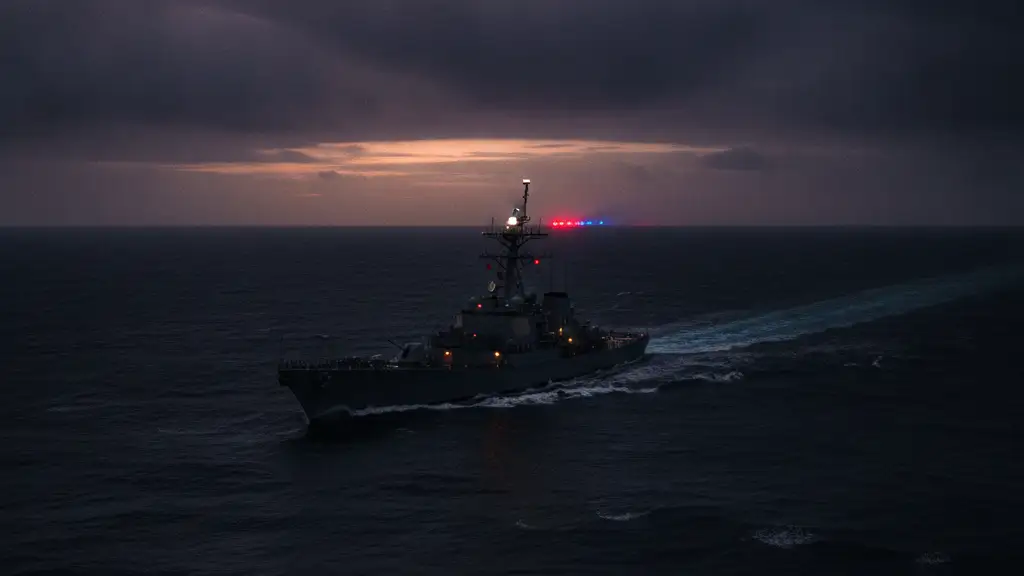
In response, the US military redirected six ships and disabled one since the naval blockade was reimposed, directly countering the maritime threats.
The IRGC later claimed it was targeting tankers in the strait, asserting that the strait "will not be safe for the transit of petrochemical products, nor even a single drop of oil and gas" if US strikes continue.
The strait will not be safe for the transit of petrochemical products, nor even a single drop of oil and gas if US strikes continue.
This declaration challenges the global energy supply chain, impacting international stakeholders reliant on the Strait of Hormuz for approximately 20% of the world's petroleum liquids.
The ongoing escalation risks a broader regional conflict, potentially drawing in more actors and further destabilizing the Middle East landscape.