US Airstrikes Escalate Iran Conflict, Strait of Hormuz Shut Down
Seven killed in US strikes as Iran closes vital shipping lane and targets regional assets, deepening regional instability.
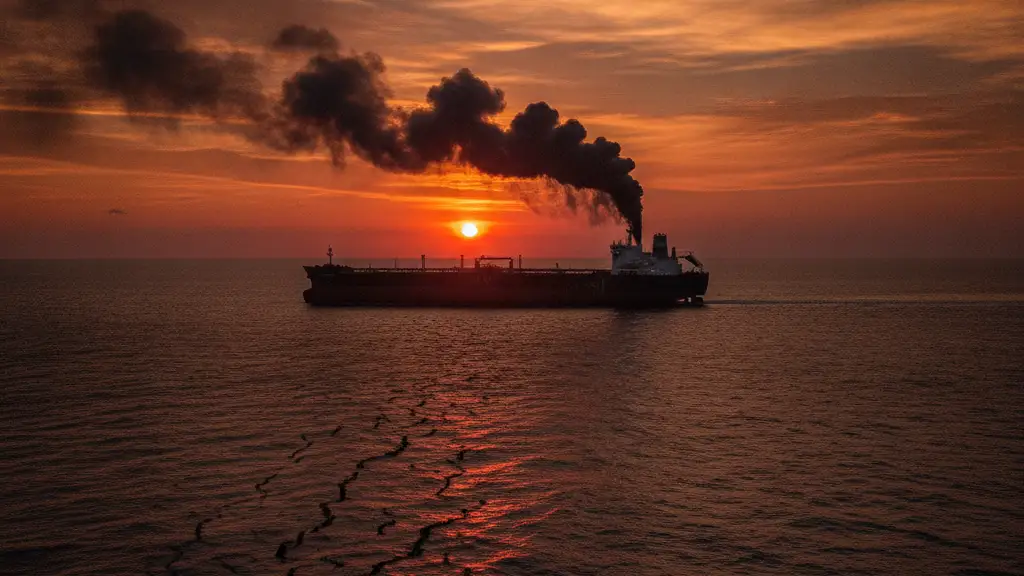
Image: Eddie Pollard / AI

Sarah Connor
The United States launched airstrikes against Iran, killing seven individuals and damaging critical infrastructure, as Tehran responded by shutting down the Strait of Hormuz, a vital global shipping lane.
US airstrikes destroyed an Islamic Revolutionary Guard Corps (IRGC) facility at Chabahar port, a site used to facilitate attacks on vessels in the Strait of Hormuz.
Witnesses reported two bridges west of Bandar Abbas sustained strikes, resulting in three deaths and nine injuries.
Six bridges in the southern province of Hormozgan were targeted; Bandar Abbas station in the southern port city also sustained hits.
Iranian state television identified these bridges as a key transit point for Bandar Abbas, Iran's main port.
The latest US strikes, concluding at dawn on Friday, hit dozens of Iranian targets, Centcom confirmed.
These attacks followed Donald Trump's promise to expand strikes against Iran, specifically targeting infrastructure and power plants.
The US president met senior department heads this week, discussing an expanded aerial campaign to force Iran to reopen the Strait of Hormuz.
Severely unsafe.
Meanwhile, the Islamic Revolutionary Guard Corps (IRGC) stated two oil tankers burned after attempting to cross the Strait of Hormuz, which it declared closed and 'severely unsafe.'
Oil prices rose following increased attacks by both the US and Iran, reflecting immediate economic impact.
Week-to-week cargo shipments through the Strait of Hormuz dropped by almost a quarter at the beginning of the month, showing immediate disruption to global trade.
The current round of fighting entered its seventh day, further compromising the interim deal between Iran and the US.
This deal aimed to keep the strait open and allow negotiations for a permanent truce, a framework now severely compromised.
The conflict resulted in at least 30 deaths since last week, marking a significant human cost.
An Iranian missile struck in the vicinity of Qeshm; projectiles hit other locations around the island.
Beyond the immediate conflict zone, an unmanned drone struck a ship off the port in Iraq's southern province of Basra, expanding the geographical scope of the attacks.
Several power-generation units in Kuwait sustained damage in an attack, prompting Kuwait's government to urge residents to ration electricity.
This situation is particularly critical for Kuwait, which relies on desalination plants for approximately 90 percent of its drinking water.
Further afield, Doha reported hearing blasts and an elevated security threat level, while Bahrain's interior ministry urged citizens to take shelter.
Iran targeted US assets in Bahrain, Kuwait, Jordan, and Qatar, demonstrating a broad retaliatory strategy.
Tehran accused the US of launching a 'barbaric attack' near a children's cancer hospital in Ahvaz on Wednesday night, causing a forced evacuation of the facility.
Iran warned Americans are nearing the zero hour for strikes on US warships, indicating further potential escalation.
In a strategic move, Iran asked its allies in Yemen, the Houthis, to prepare to close the oil route through the Red Sea if the US targets Iranian energy infrastructure.
Houthi leader Abdul Malik al-Houthi claimed all Saudi oil and other critical facilities could be targeted by the group if Riyadh intervened in Yemen.
With Iranian help, drone technology was smuggled to the al-Qaeda affiliate al-Shabab group in Somalia to help blockade the Bab al-Mandab if ordered by Tehran.
The Shia Houthis put aside the Islamic schism between them and the Sunni al-Shabab terror group to join forces, creating a formidable threat to maritime routes.
The Strait of Hormuz will never again return to its pre-war status.
Iran claimed the Strait of Hormuz will never again return to its pre-war status, indicating a permanent shift in regional dynamics.
Despite the escalating conflict, Donald Trump claimed the US was 'winning big in Iran' and expected to see positive outcomes very soon.
However, Tehran disputed Donald Trump's claim that it had released a detained US citizen; Iran's judiciary claimed no American prisoner had been released or exchanged from Iranian prisons.