Texas Flooding Intensifies, Uvalde Cut Off Amid Widespread Rescues
Relentless downpours submerge communities, prompting urgent warnings and state-level disaster declarations.
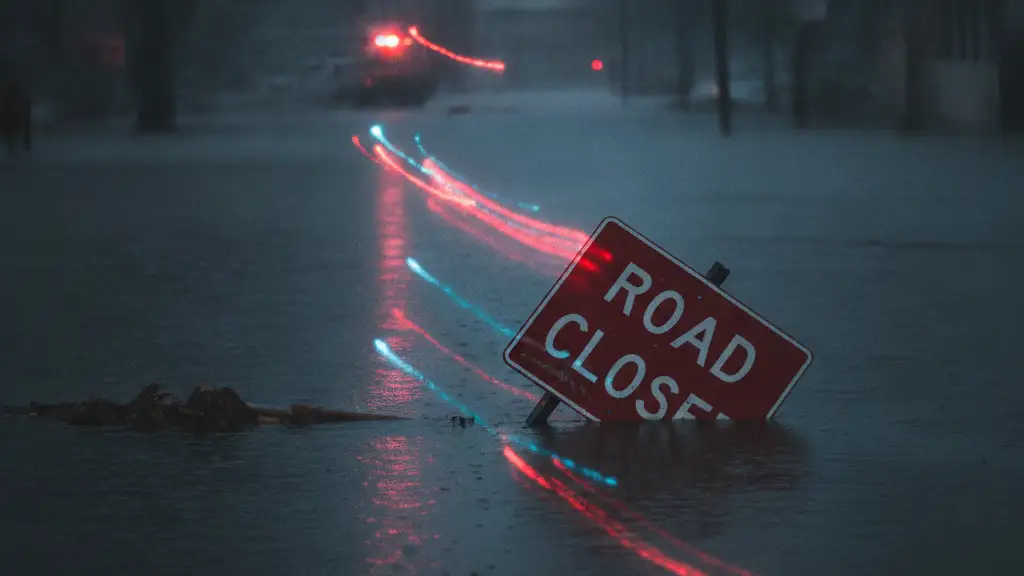
Image: Eddie Pollard / AI

Carla Rooney
Dangerous flooding has intensified across Texas following days of relentless rain, prompting widespread emergency operations and severing access to the city of Uvalde.
Emergency crews continue urgent rescues as forecasters issue dire warnings across the state.
Texas Governor Greg Abbott issued disaster declarations for dozens of counties, mobilizing critical state resources to aid the hardest-hit regions.
The Uvalde County Office of Emergency Management subsequently issued a shelter-in-place order, citing numerous closed highways and streets impassable due to high water.
Forecasters declared flash flood emergencies for parts of Kerr and Uvalde counties and the Texas Hill Country on Thursday, marking a significant escalation of the crisis.
Officials in Kerrville advised residents to seek shelter on the highest levels of their homes.
A river gauge near Kerrville registered a staggering 32-foot rise in just four hours.
Some areas recorded between 10 and 20 inches of rain over the past two days, with 8 inches falling in a mere two hours early Thursday morning.
This deluge mirrors the catastrophic July 4, 2025 flood; forecasters predict the river could reach a similar crest.
The history of such devastating events drives local and state stakeholders to implement robust, long-term infrastructure solutions.
Past flood incidents, including the 2025 event, consistently exposed significant vulnerabilities in regional water management and emergency response protocols.
Beyond the immediate danger, the economic impact on agricultural sectors and small businesses in affected counties, such as Uvalde and Kerr, intensifies with each passing hour of inundation.
Farmers face immediate and substantial crop losses; small businesses grapple with extensive property damage and severely disrupted supply chains, crippling local economies.
Flood watches remain in effect for some regions through Friday evening, indicating a continued threat to vulnerable communities.
Meanwhile, the landscape of Texas infrastructure faces ongoing challenges from increasingly severe weather patterns, demanding substantial long-term strategic investments.
Future planning will focus on enhanced early warning systems and resilient urban development to mitigate profound societal shifts caused by these recurring disasters.
These proactive measures aim to protect communities from the escalating frequency and intensity of extreme weather events that now define the region's climate.