MV Hondius Passengers Repatriated Amid Hantavirus Scare, One American Tests Positive
Evacuees arrive in UK and US; health officials monitor for potential spread and adherence to quarantine protocols.

Callum Smith
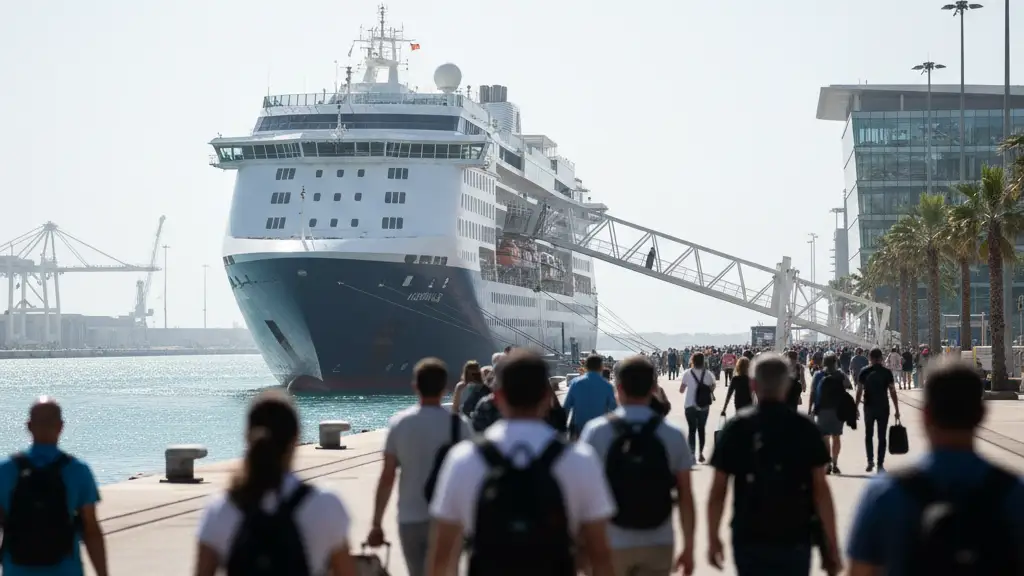
Passengers and crew from the MV Hondius are undergoing repatriation from the Canary Islands, with one American testing positive for hantavirus.
One of 17 American passengers evacuated from the MV Hondius tested positive for hantavirus, though the individual shows no symptoms.
These American passengers flew from Tenerife to Manchester Airport, then proceeded to Arrowe Park Hospital for further assessment.
A charter flight carrying the American contingent arrived in Omaha, Nebraska, early Monday, completing a critical phase in their return home.
Beyond the immediate American situation, twenty British passengers, one German national, and one Japanese passenger also repatriated to the UK from Tenerife.
The UK Government took the Japanese passenger at the request of the Tokyo government, placing them under monitoring at Arrowe Park alongside the German national.
No one transferred to Arrowe Park Hospital exhibits symptoms, emergency services in the North West confirmed.
The risk of hantavirus to the general public remains 'really low'.
Emergency services in the North West housed and clothed passengers at a “managed setting” for up to 72 hours.
The World Health Organization recommends a stringent 42-day quarantine for all evacuees, a measure to contain any potential spread.
Dr. Tedros Adhanom Ghebreyesus, Director-General of the World Health Organization, confirmed most passengers and crew of the MV Hondius successfully disembarked.
The WHO announced its goal to complete the ship's evacuation, excluding 30 remaining crew members, by 7 PM on Monday.
Foreign Secretary Yvette Cooper extended thanks to those who worked to return MV Hondius passengers to the UK by special flight, ensuring public health protections remained in place.
Cooper confirmed the UK collaborated with Spain, South Africa, the Netherlands, and the WHO to coordinate these safe returns.
French Prime Minister Sebastien Lecornu disclosed one of five French passengers exhibited symptoms during their repatriation flight.
The Ministry of Defence verified this marked the first instance medical staff parachuted in to provide humanitarian aid.
Some health experts state individuals may not strictly follow the recommended 42-day quarantine period, making its effectiveness dependent on individual adherence.
The Wirral University Teaching Hospital NHS Trust states the risk of hantavirus to the general public remains 'really low'.
Residents of the Canary Islands express concerns the archipelago could become a focal point for another pandemic, given its geographical position and high tourist traffic.
The islands' economy, heavily reliant on a tourism sector generating over 35% of the regional GDP, faces immense pressure as public health fears deter future visitors.
Historically, this mass repatriation effort mirrors past global health crises where rapid, coordinated international responses prevented wider outbreaks, such as the 2014 Ebola crisis or the 2003 SARS epidemic.
The long-term implications for global travel and public health protocols undergo scrutiny, as this incident tests the resilience of international health frameworks established after the 2005 International Health Regulations.
Future responses to similar events will draw lessons from the logistical and public health challenges encountered during the MV Hondius repatriation, shaping policy for the next decade.