Hantavirus Outbreak Claims Three Lives Aboard Cruise Ship
MV Hondius reports fatalities as health protocols activate across continents.
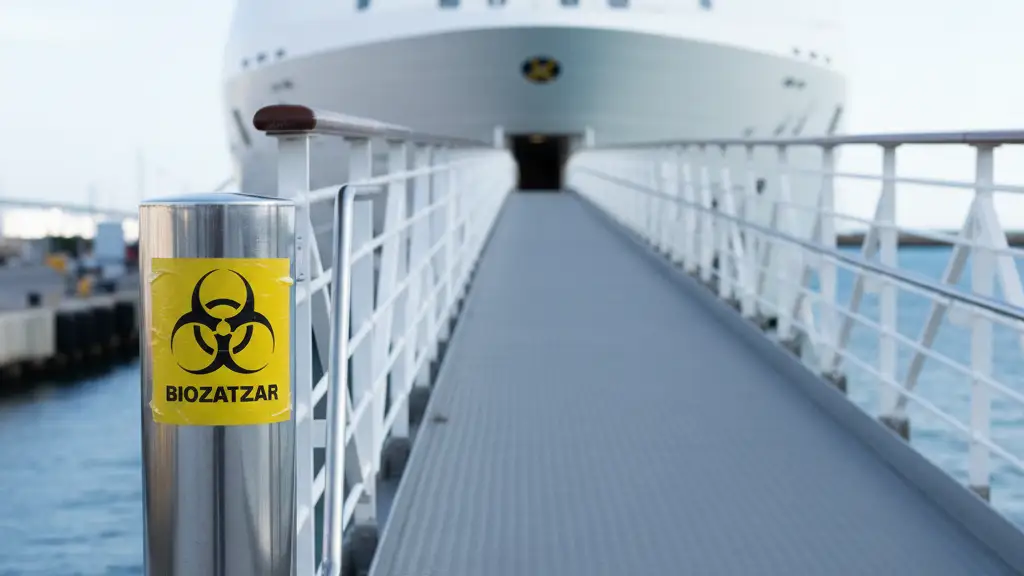
Image: Matt Weston / AI

Callum Smith
A hantavirus outbreak aboard the MV Hondius cruise ship has resulted in three confirmed deaths, triggering an international health response.
British passengers and crew will transfer to Arrowe Park Hospital for assessment and testing, beginning a critical phase of containment.
Five French passengers remain in strict isolation following their repatriation, demonstrating the virus's international spread.
Officials investigating the outbreak assert a couple's bird-watching trip in Argentina may explain the virus's introduction to the ship.
The Argentine government's leading hypothesis points to a Dutch couple contracting the illness during a bird-watching outing in Ushuaia, Argentina.
Hantavirus outbreaks historically trace back to environmental factors and rodent populations, a pattern observed in various regions globally.
This current event mirrors past public health challenges where zoonotic diseases emerged from specific ecological interactions.
Dr. Raúl González Ittig confirms the increase in hantavirus cases links more closely to rodent behavior, emphasizing a critical environmental component.
Investment is needed to address these underlying factors, and that investment is not occurring now.
Dr. Ittig also states investment is needed to address these underlying factors, and that investment is not occurring now.
Europe's public health agency maintains the risk to the general population remains low, providing a measure of reassurance amidst the crisis.
The United States' Centers for Disease Control and Prevention (CDC) previously assessed the risk to the American public as extremely low, a sentiment echoed by the World Health Organization.
However, Kasem Hato, a passenger, stated the entire situation has been blown out of proportion.
The entire situation has been blown out of proportion.
Political pressure mounts on health authorities to contain the spread and reassure the public, balancing public safety with economic considerations for tourism.
The economic impact on the cruise industry could manifest through passenger hesitancy and increased operational costs for health screenings and isolation protocols.
This situation places significant strain on the industry, which relies heavily on public confidence and seamless international travel.
The landscape of global travel faces continuous challenges from emerging infectious diseases, necessitating robust international health regulations and rapid response mechanisms.
Future protocols for cruise lines will likely incorporate more stringent pre-boarding health checks and enhanced onboard medical facilities to mitigate similar outbreaks.
Spain's health ministry will determine the ship's most appropriate next stop based on epidemiological data, dictating the immediate future of the MV Hondius.
Separately, Tedros Adhanom Ghebreyesus urged Argentina to “reconsider” its decision to leave the WHO, highlighting the importance of international health cooperation during such events.