Liza Tarbuck Departs BBC Radio 2 Saturday Slot After Fourteen-Year Run
Shaun Keavney Takes Over Interim Hosting Duties Through March as Weekend Lineup Shifts
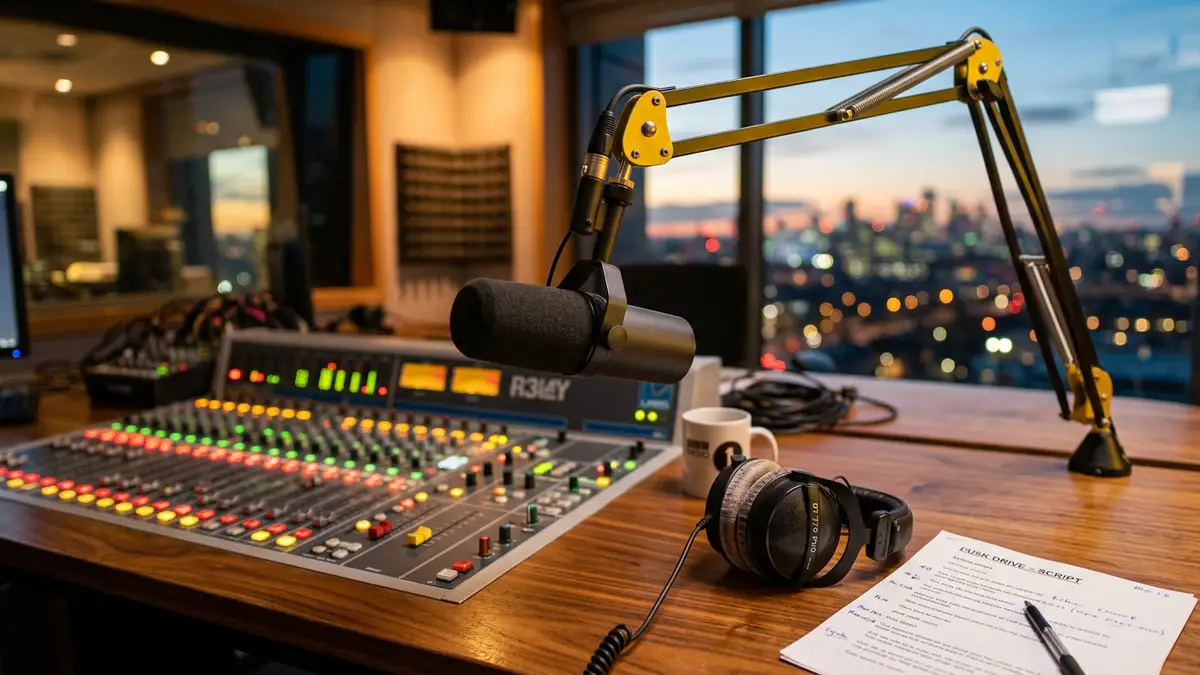
Image: Matt Weston / AI

Carla Rooney
Liza Tarbuck has ended her fourteen-year tenure as the voice of Saturday evenings on BBC Radio 2, citing a desire to reclaim her weekends.
Shaun Keavney now steps into the studio as the interim host. His appointment remains in effect through the end of March while the station evaluates its long-term strategy.
Tarbuck confirmed the move with a direct, unsentimental explanation for her exit. She stated she simply wants her weekends back after fourteen years of Saturday commitments.
I simply want my weekends back after fourteen years of Saturday commitments.
This transition disrupts a period of uninterrupted continuity for the BBC Radio 2 evening audience. The specific time slot has long served as a cornerstone of the station’s weekend identity.
Before securing her permanent Saturday residency, Tarbuck built her reputation as a versatile utility presenter. She served as a frequent stand-in for various daytime and evening hosts across the network.
Her programme became known for a distinctively informal tone and eclectic musical curation. This specific approach helped the station maintain its grip on a massive national audience.
Currently, BBC Radio 2 commands a dominant market hegemony. It reaches over 13.3 million listeners weekly, maintaining a massive cultural and economic footprint across the United Kingdom.
The departure triggered immediate and intense reactions from the listening public. Some listeners demanded the exit be discussed in Parliament, describing the change as a national disaster.
A national disaster.
This public outcry reflects the deep emotional investment audiences hold in traditional broadcast schedules. Political pressure frequently follows major changes at the public broadcaster as listeners petition to keep formats untouched.
Beyond this single exit, the network has navigated a series of high-profile departures in recent years. Several long-standing presenters have moved on, fundamentally altering the traditional sound of the station.
Shaun Keavney brings a pre-established following to the interim position. He previously spent years anchoring flagship programmes on BBC Radio 6 Music, including his long-running breakfast show.
Station management withholds the name of a permanent successor for the April schedule. Controllers typically use these interim periods to gauge audience reception before issuing final contracts.
The landscape of Saturday night radio is currently shifting toward more varied hosting rotations. This move mirrors broader industry trends favouring flexible scheduling over fixed, multi-decade residencies.
Traditional FM and DAB broadcasts now face direct competition from digital streaming and podcasting platforms. The BBC continues to adjust its linear output to survive in this increasingly fragmented media environment.
The Saturday night slot remains a critical battleground for weekend market share. Future programming decisions will determine if the station can maintain its current demographic reach.
Keavney’s tenure provides a necessary buffer for the network's decision-makers. They are currently reviewing the strategic direction of the entire weekend evening block.
The loss of Tarbuck’s curated music and listener interaction signals a shift in the station's weekend DNA. Her run stands as one of the more enduring chapters in recent Radio 2 history.
The station now faces the challenge of replacing a host who defined the Saturday evening atmosphere. This transition marks the end of an era for the 13 million people who tune in weekly.
Industry analysts watch the March deadline closely as the network prepares its next move. The decision will either reinforce traditional broadcasting or signal a total departure from the established format.
The silence left by Tarbuck's departure is filled only by the ticking clock of the interim schedule. The future of the 6:00 PM slot remains an open question for the BBC's executive tier.