King Charles III State Visit Proceeds Amid Transatlantic Friction Over Iran Conflict
Liberal Democrat Leader Ed Davey and Labour MPs Demand Cancellation as Donald Trump Criticizes British Military Restraint
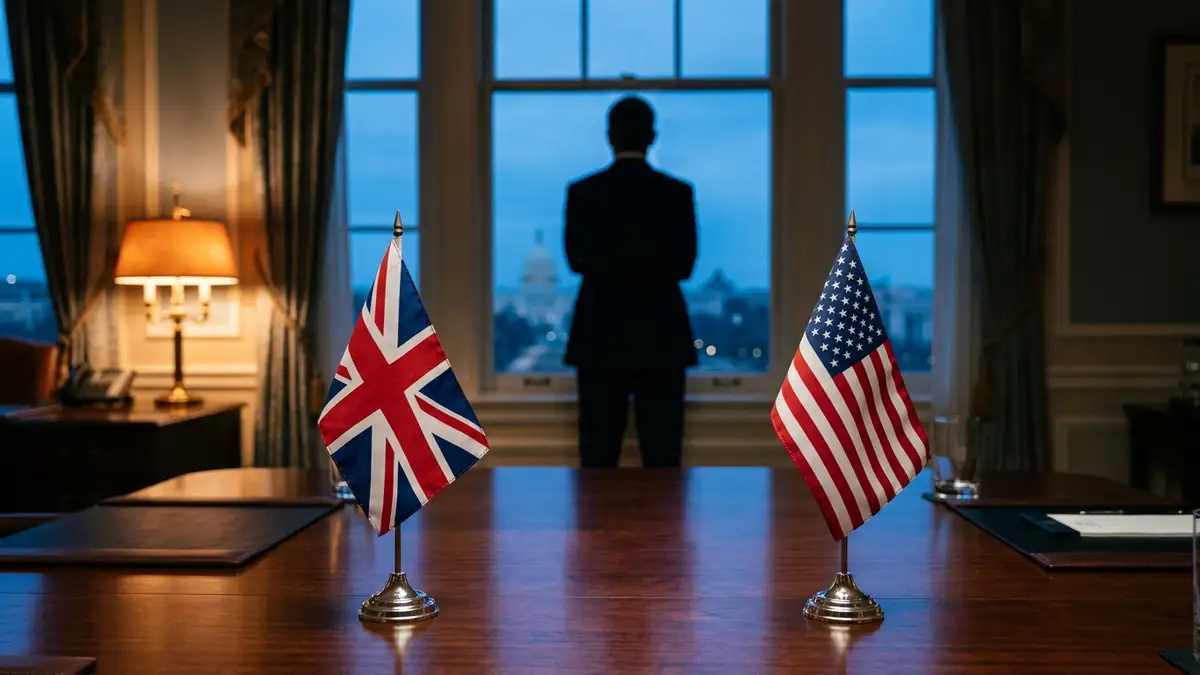
Image: Matt Weston / AI

Sarah Connor
Preparations for King Charles III’s state visit to the United States continue despite escalating political pressure to cancel the diplomatic mission scheduled for late April.
Liberal Democrat leader Sir Ed Davey called for the immediate suspension of the trip to prevent a diplomatic victory for the American administration. He argues that the invitation serves as an unearned endorsement of current U.S. foreign policy.
"A state visit from our King would be seen as yet another huge diplomatic coup for President Trump, so it should not be given to someone who repeatedly insults and damages our country," Davey said. The Liberal Democrat leader stated that Donald Trump has launched an illegal war that is currently devastating the Middle East.
A state visit from our King would be seen as yet another huge diplomatic coup for President Trump.
This conflict inflates energy costs for British households as global markets react to the volatility. Davey argued that proceeding with the royal visit while American and Israeli forces conduct strikes against Iran delivers a significant victory to the U.S. President.
Internal friction within the government has surfaced as one Labour MP stated that Prime Minister Keir Starmer will face mounting pressure to scrap the visit as April approaches. The diplomatic tension follows a phone call between Starmer and Trump that devolved into a testy exchange.
Downing Street confirmed the two leaders discussed military cooperation and the use of RAF bases to support the collective self-defence of regional partners. During the communication, Starmer shared condolences with the American people following the deaths of six U.S. soldiers in the region.
Donald Trump has repeatedly criticized Starmer’s decision to withhold permission for the initial wave of military action against Iran. The U.S. President claimed the United Kingdom did not need to join a conflict that was already won.
Trump further characterized the British Prime Minister as no Winston Churchill and accused him of attempting to join wars only after their conclusion. Reports from the exchange indicate that Trump has privately referred to the Prime Minister as a loser.
Starmer attempted to lower the temperature of the relationship by discussing the logistics of the King’s upcoming visit during their conversation. The Prime Minister faces additional criticism from Sir Tony Blair, who stated that the United Kingdom should have participated in the airstrikes.
Military officials have not yet reached a decision regarding the deployment of a British warship to the conflict zone. The historical precedent for state visits suggests they serve as the highest tier of diplomatic engagement, involving formal ceremonies and high-level economic discussions.
Economic stakeholders are monitoring the impact of the Middle East conflict on global markets as energy prices fluctuate in response to the U.S.-led strikes. "At a time when Trump has launched an illegal war that is devastating the Middle East and pushing up energy bills for British families, this visit should not go ahead," Davey said.
At a time when Trump has launched an illegal war that is devastating the Middle East and pushing up energy bills for British families, this visit should not go ahead.
The 1952 State Visit protocol remains the gold standard for these engagements, yet the current geopolitical climate threatens to upend decades of tradition. British intelligence assets in the region continue to monitor the fallout from the latest round of Tomahawk missile strikes.
The Ministry of Defence has placed additional personnel on standby at RAF Akrotiri in Cyprus. This move coincides with a 4.2% spike in Brent Crude prices following the most recent exchange of fire in the Persian Gulf.
The Foreign, Commonwealth and Development Office maintains that the invitation remains standing despite the escalating rhetoric from the Oval Office. Officials in Washington have not yet released a formal itinerary for the King's arrival at Joint Base Andrews.
Public polling indicates a sharp divide in the British electorate regarding the optics of the monarch standing alongside the current U.S. administration. Protesters have already begun organizing demonstrations outside the U.S. Embassy in Nine Elms.
The Prime Minister’s Office has declined to comment on the specific insults reportedly leveled by Trump during the private call. Instead, spokespeople point to the ongoing necessity of the intelligence-sharing agreement known as the Five Eyes.
The Royal Household remains silent on the political controversy, adhering to the constitutional requirement of neutrality. However, the logistical planning for the state banquet at Buckingham Palace continues behind closed doors.
Energy analysts warn that a prolonged conflict could see domestic heating bills rise by an additional £300 per annum. This economic pressure provides the backdrop for the Liberal Democrats' increasingly vocal opposition to the visit.
The Special Relationship has survived previous periods of intense strain, including the 1956 Suez Crisis and the 2003 invasion of Iraq. Current Whitehall strategy focuses on the long-term institutional ties that bind the two nations regardless of the individuals in power.
As the April deadline nears, the pressure on Keir Starmer to maintain a unified front with the United States intensifies. The King’s visit remains the most visible symbol of that unity, or a potential casualty of its collapse.