Iran Threatens Retaliation as Tensions Escalate in Strait of Hormuz
Global shipping faces disruption and oil prices surge amid heightened US-Iran military posturing and diplomatic breakdown.
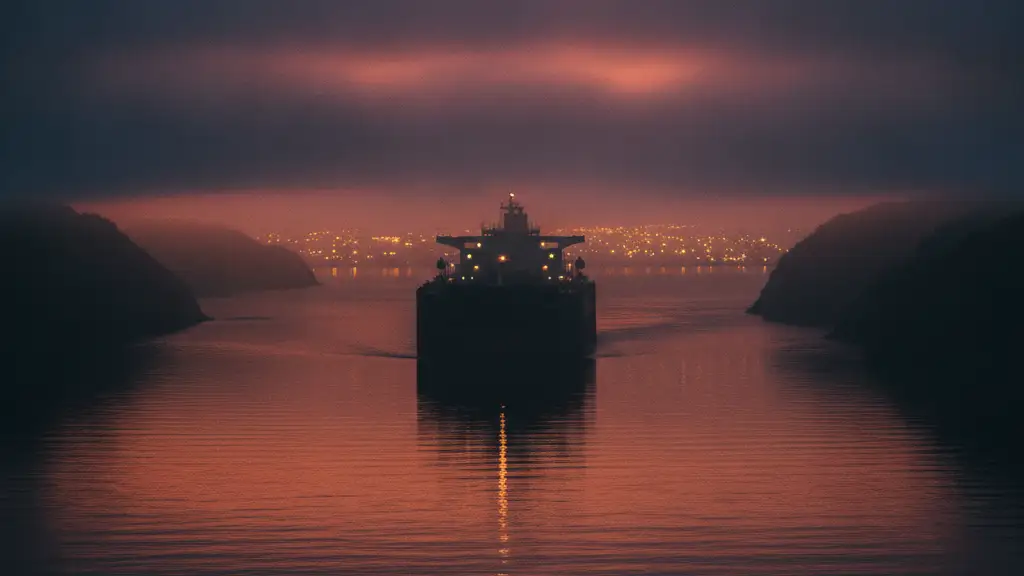
Image: Eddie Pollard / AI

Sarah Connor
Iran has threatened retaliatory strikes against regional infrastructure after President Donald Trump declared he would bomb and destroy Iranian civilian sites if Tehran targeted a ship in the Strait of Hormuz.
Traffic around the Strait of Hormuz notably subdued on Wednesday, a direct reflection of escalating clashes between the United States and Iran, a strategy aiming to mitigate potential threats to commercial shipping and maintain freedom of navigation.
President Trump's stark threat followed an eleventh night of strikes; diplomatic efforts completely broke down, despite an initial June 17 agreement calling for a permanent end to hostilities and a reopening of the strait, initiating a 60-day negotiating period.
The President prepares to attend the dignified transfer of four service members killed in action, a somber event underscoring the conflict's human cost as prior diplomatic efforts ultimately failed, with both sides intensifying attacks and missile launches.
Oil prices spiked to their highest level in over a month, reflecting profound economic pressure now impacting global markets, as the initial ceasefire brokered by Pakistan also collapsed, leading to increased hostilities and threats to global energy supplies.
Iran would retaliate with strikes on regional infrastructure linked to the US, including bridges and energy sites, if Washington initiated attacks in response to US targeting of Iranian military sites.
Iran's Houthi allies in Yemen declared a blockade on Saudi shipping through the Red Sea, an action that expanded the conflict's geographical scope far beyond the Strait of Hormuz.
Iran intensified missile and drone attacks on US military bases and allies throughout the Persian Gulf, with strikes hitting a water desalination plant and an oil facility in Kuwait.
Major shipping companies CMA CGM and Maersk implemented emergency fuel surcharges, passing increased operational costs directly to consumers worldwide, as the ongoing conflict heightened the risk of military retaliation from Gulf states and posed significant threats to global energy supplies.
Three American soldiers died over the weekend when Iranian missiles struck their living quarters at a base in Jordan, pushing the total American death toll in the conflict to 18, with infrastructure damage and injuries reported from Iranian strikes in Kuwait.
Residents reportedly heard a loud explosion on Larak Island, further fueling fears of direct confrontation in the critical shipping lane, as the conflict between the United States and Iran, particularly concerning the Strait of Hormuz, saw significant escalations.
Tasnim reported the alleged strike occurred at 2:48 PM local time, providing a precise, if unconfirmed, timeline for the incident, part of the broader US-Iran conflict.
An Iranian military source, cited by the Tasnim state news agency, claimed Iran would retaliate with strikes on regional infrastructure linked to the US, including bridges and energy sites, if Washington initiated attacks in response to US targeting of Iranian military sites.
Israeli intelligence claims the President's sights now train on Pickaxe Mountain, a fortified underground complex near Natanz reportedly hiding Iran's nuclear enrichment centrifuges, as the conflict continues to escalate.
The Tasnim News Agency also claimed the US launched a missile strike on Larak Island in the Strait of Hormuz; an American missile reportedly struck the island, marking a significant escalation in the ongoing US-Iran conflict.
Authorities investigated the scale of the attack, the exact point of impact, and the extent of any damage, all amid heightened tensions in the region, according to Tasnim News Agency.
Ed Miliband, making his international debut as foreign secretary at an ASEAN summit in the Philippines, stated a previous US-Iran deal for toll-free passage had stalled, highlighting a diplomatic vacuum; this interim agreement allowed Iranian oil exports to continue during negotiations for a broader nuclear deal, part of the broader negotiations that began in 2013 and culminated in the Joint Comprehensive Plan of Action (JCPOA) in 2015.
Prime Minister Andy Burnham held a call with Donald Trump, discussing defense, security, and the UK's commitment to securing shipping in the Strait of Hormuz, as the previous US-Iran deal for toll-free passage stalled primarily due to disagreements over the terms and conditions of the broader nuclear agreement, leading to its eventual collapse when the Trump administration withdrew from the JCPOA in 2018.
The UK will continue to support US defensive strikes from British bases, solidifying its alliance and deepening its involvement in the volatile region, where the conflict between the United States and Iran saw significant escalations.
The Pentagon drafts plans for a partial ground invasion of Iran, with options including Kharg Island, a significant escalation of military strategy signaling a potential shift from aerial bombardment, as the United States targeted Iranian military sites to secure Strait of Hormuz shipping.
The White House stated the Pentagon provides the president with 'maximum optionality,' but no decision has been made regarding these drastic plans, amid the ongoing US-Iran conflict.
British and dual British-Iranian residents face 'significant risk of arrest, questioning or detention' in Iran.
The UK withdrew diplomatic staff from Iran due to the deteriorating security situation, signaling a severe downturn in international relations and a loss of crucial communication channels, as diplomatic efforts prior to the current breakdown ultimately failed.
Iran claims it could attack US bases and kidnap US soldiers, a direct threat underscoring the volatile nature of the standoff and the potential for asymmetric warfare, in response to the United States targeting Iranian military sites.
The Foreign and Commonwealth & Development Office (FCDO) claims British and dual British-Iranian residents face 'significant risk of arrest, questioning or detention' in Iran, highlighting the dangers for civilians caught in the crossfire of this escalating geopolitical struggle, which saw both sides intensifying attacks and missile launches.