Healey Vows Vigilance Against Price Gouging Amidst Cost-of-Living Crisis
Chancellor to monitor petrol and supermarket prices as first budget approaches, following recent fuel hikes and past regulatory reviews.
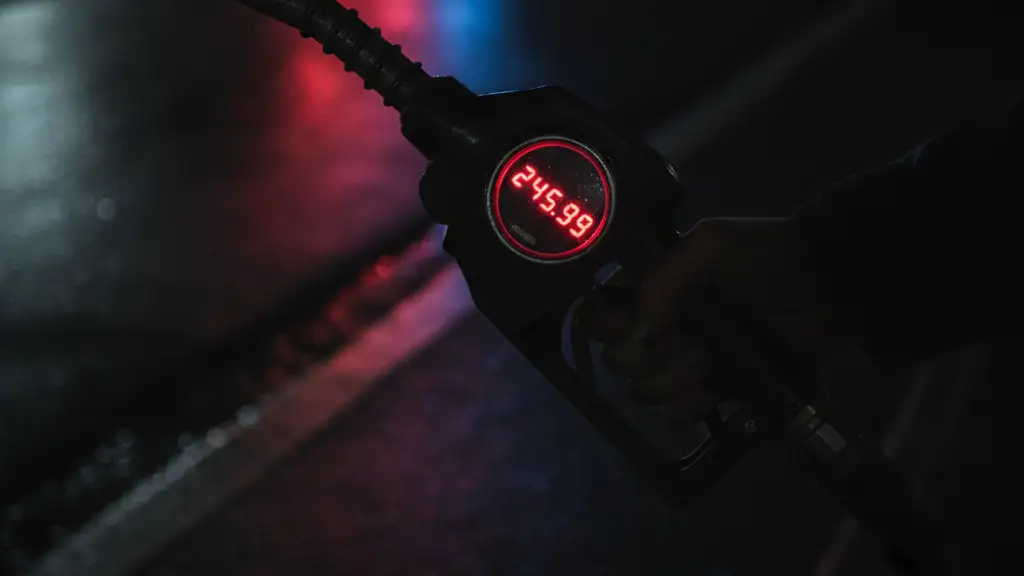
Image: Eddie Pollard / AI

Sarah Connor
Chancellor John Healey has pledged close monitoring of petrol pumps and supermarkets for potential price gouging.
Burnham has already moved decisively, implementing a VAT cut on energy bills and capping bus fares at £2 until 2027, alongside firm promises of further, substantial cost-of-living support.
Government departments received explicit instructions to reallocate funds from existing programs to finance these new pledges.
Chancellor John Healey reinforced this directive with letters to Cabinet ministers, demanding immediate budget cuts across the board.
The ongoing war in Iran continues to exert immense pressure on global markets, a factor John Healey explicitly claims impacts prices worldwide.
This Middle East conflict directly impacts family finances across Britain, a harsh reality felt in every household.
Food price inflation slowed to 1.7 percent in the year to June, reaching its lowest rate in nearly two years, offering a glimmer of relief amidst persistent economic headwinds.
Former Chancellor Rachel Reeves previously attempted to pressure supermarkets into capping food prices to alleviate the burden on consumers.
She abandoned the initiative due to significant backlash from the industry and other stakeholders.
We’ll be watching closely for any suggestions that customers are being taken for a ride at the pump or the till.
The Chancellor and Mr. Burnham had previously agreed on a substantial £23.6 billion buffer to satisfy self-imposed borrowing rules.
The Competition and Markets Authority (CMA) possesses robust powers to address firms breaking competition law, including punishing price-fixing or blocking harmful mergers.
Raising prices during a crisis is not inherently against UK law unless specific competition rules are violated, a distinction the government is keen to emphasize.
In 2023, the CMA investigated whether supermarkets were profiteering during a previous cost-of-living crisis but found no evidence of such practices.
Companies’ willingness to work with the Government throughout this crisis has been positive, and there has been no significant evidence of so-called price gouging, but I want to be blunt in reassuring the public that our regulators have the powers to clamp down on it if it happens.
Historically, price controls implemented in Venezuela in 2003 led to widespread shortages and the emergence of a thriving black market.
The Bank of England has kept UK interest rates on hold amidst these intense economic pressures, maintaining a cautious stance.
Major retailers like Sainsbury's, Tesco, and Asda are represented by the British Retail Consortium, a key stakeholder whose cooperation is essential in any pricing discussions.