Cyclosporiasis Outbreak Spreads Nationwide, Taco Bell Removes Key Ingredients
Over 4,000 cases reported as federal and state officials investigate potential links to restaurant supply chains.
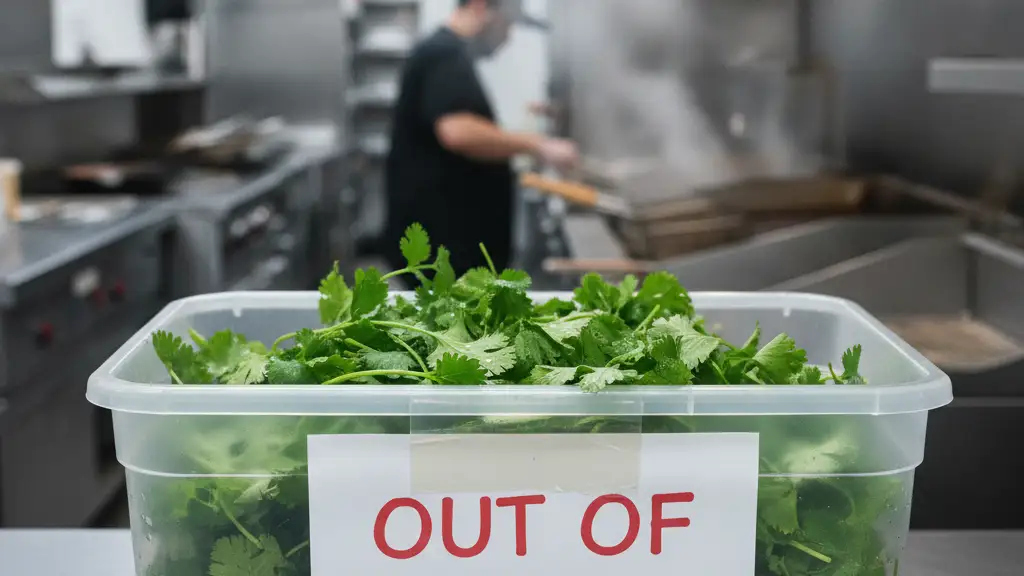
Image: Matt Weston / AI

Sarah Connor
A widespread cyclosporiasis outbreak has sickened thousands across the United States, prompting Taco Bell to remove several menu items nationwide amid an ongoing investigation.
Beyond these confirmed figures, the CDC acknowledges an additional 1,500 cases requiring further analysis; the full scope of the outbreak remains under assessment.
In a direct response, Taco Bell removed lettuce, pico de gallo, guacamole, and cilantro onion from its menu across all its locations.
Federal and state health officials investigate Taco Bell as a possible source of the outbreak.
Investigators probe the restaurant chain's potential connection to the parasitic infection.
Officials in Michigan indicated early information points to lettuce or salad greens as a possible culprit for the infections within the state.
Specifically, lettuce at Taco Bell locations in Michigan may be linked to the outbreak, officials stated.
Officials do not believe all cases can be tied to a single common source.
Despite these focused investigations, officials do not believe all cases can be tied to a single common source.
Some infected individuals reported eating at Taco Bell, while others had not, creating a challenge in pinpointing a definitive origin.
It remains unclear if any Taco Bell consumers have been specifically sickened by cyclosporiasis, as investigations continue.
Crucially, no food recalls have been issued in connection with the current spread of cyclosporiasis cases.
Historically, cyclosporiasis outbreaks frequently traced back to contaminated produce, including bagged salads, herbs, raspberries, and various lettuces.
For instance, a 2013 outbreak linked to pre-packaged salad mix sickened over 600 people across 10 states, demonstrating the vulnerability of fresh produce supply chains.
A large share of Michigan's total cases is likely due to a linked domestic outbreak, Michigan Health Department Officials confirmed.
Officials also stated that at least some individuals in Illinois may have contracted the infection outside the United States, highlighting the global nature of foodborne illness risks.
The ongoing investigation reveals the complex challenges in tracking foodborne pathogens across vast and intricate food supply networks, from farm to table.
The restaurant industry, particularly chains like Taco Bell, faces significant economic pressure; consumer confidence often erodes during such health crises.
Public health agencies work to identify sources quickly, balancing thorough investigation with the urgency of protecting public health.
The ongoing investigation reveals the complex challenges in tracking foodborne pathogens across vast and intricate food supply networks, from farm to table.
Food safety protocols may shift, and scrutiny of produce sourcing for large restaurant chains could increase.