Sacor Recalls Bastides Saucisson Sec Over Salmonella Contamination
Tesco removes 200g packs from shelves as Food Standards Agency issues urgent do-not-eat warning.
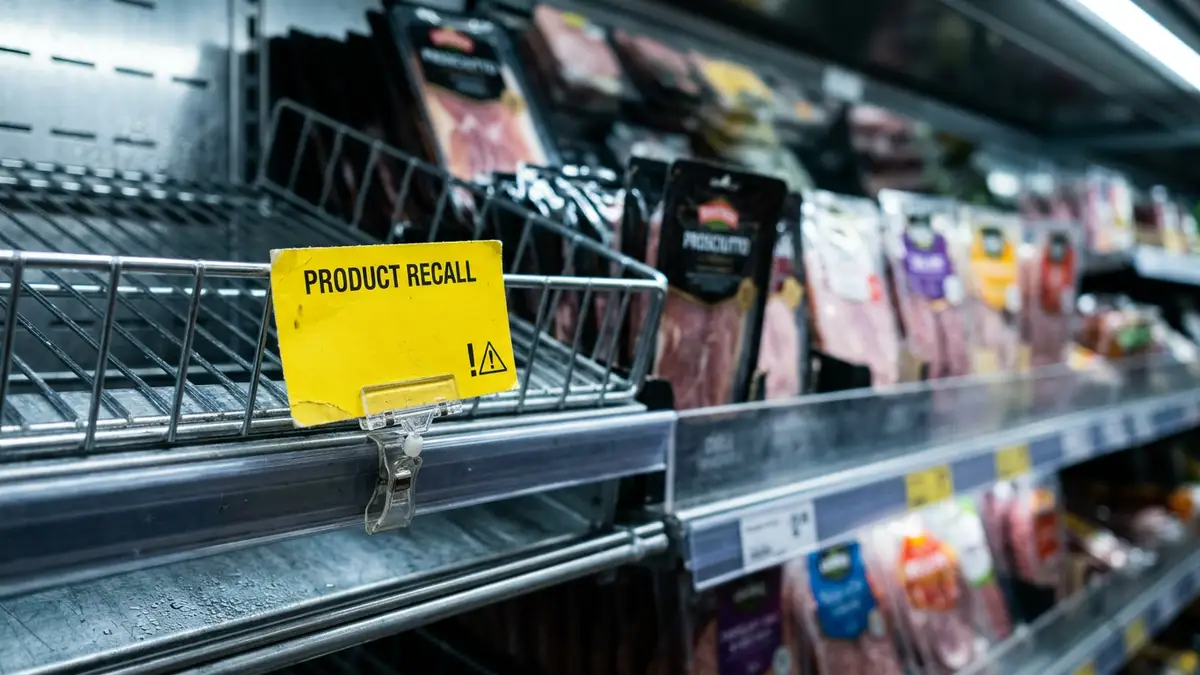
Image: Matt Weston / AI

Sarah Connor
Sacor has initiated an immediate recall of its Bastides Saucisson Sec after laboratory testing confirmed the presence of salmonella in the cured meat product.
Salmonella infection manifests as fever, diarrhoea, and abdominal cramps. These symptoms strike rapidly after the consumption of contaminated meat and can force severe dehydration.
The FSA mandate requires these notices to explain the recall mechanics and dictate immediate consumer action. This protocol hinges on the high-speed notification systems linking manufacturers to retail giants.
The 'do not eat' instruction is backed by empty shelves.
The meat industry operates under the rigid microbiological criteria of the Food Safety Act 1990. This recall follows a surge in scrutiny targeting processed pork products across the European supply chain.
Historically, the production of cured meats like saucisson relies on precise fermentation and drying to kill pathogens. These traditional methods build thermal and chemical barriers essential for shelf-stable safety.
Failures in these barriers trigger the immediate withdrawal of goods to protect public health. Sacor manages the Bastides supply chain across multiple territories, complicating the logistics of this recovery operation.
Economic pressure on producers frequently collides with the relentless speed of international distribution. The Bastides Saucisson Sec recall remains active across every UK Tesco branch as authorities monitor the fallout.
Tesco controls a 27% share of the UK grocery market, magnifying the reach of this specific product recall. The retailer confirmed the total removal of the affected 200g packs from its active inventory.
Public health data identifies salmonella as a primary driver of foodborne illness in the United Kingdom. Local authorities now track these incidents to block wider outbreaks within the retail sector.
The UK Health Security Agency (UKHSA) monitors salmonella cases to pinpoint potential clusters and contamination source points. Medical professionals advise any individuals experiencing severe symptoms to seek immediate clinical consultation.
Consumers holding the 200g packs must return them to the nearest Tesco location. The retailer will issue a full refund for the affected product, waiving the requirement for a physical receipt.
The March 4, 2026, best-before date serves as the primary identifier for the contaminated batch. Sacor has not reported further contamination across its other product lines at this stage.
The FSA coordinates with local enforcement to verify the physical removal of these goods from the marketplace. This oversight ensures the 'do not eat' instruction is backed by empty shelves.
The history of UK food safety is defined by the evolution of these rapid response protocols. Modern tracking isolates specific batches, preventing the need for scorched-earth brand withdrawals.
Despite the precision of the recall, Tesco's massive scale suggests thousands of units may already sit in domestic kitchens. The retailer continues to post warning signs at checkout counters and deli sections.
The Bastides brand remains a staple of the continental meat selection within the UK's largest grocer. This incident forces a renewed focus on the microbiological testing frequency for imported cured pork.
No other best-before dates currently fall under the safety alert issued by the FSA. The investigation into the specific production failure at the Sacor facility remains ongoing.