Wildfires Claim Twelve Lives in Spain's Almería Province, British Couple Critically Injured
Devastating blazes near Bédar and Los Gallardos leave a trail of destruction and a community in mourning.
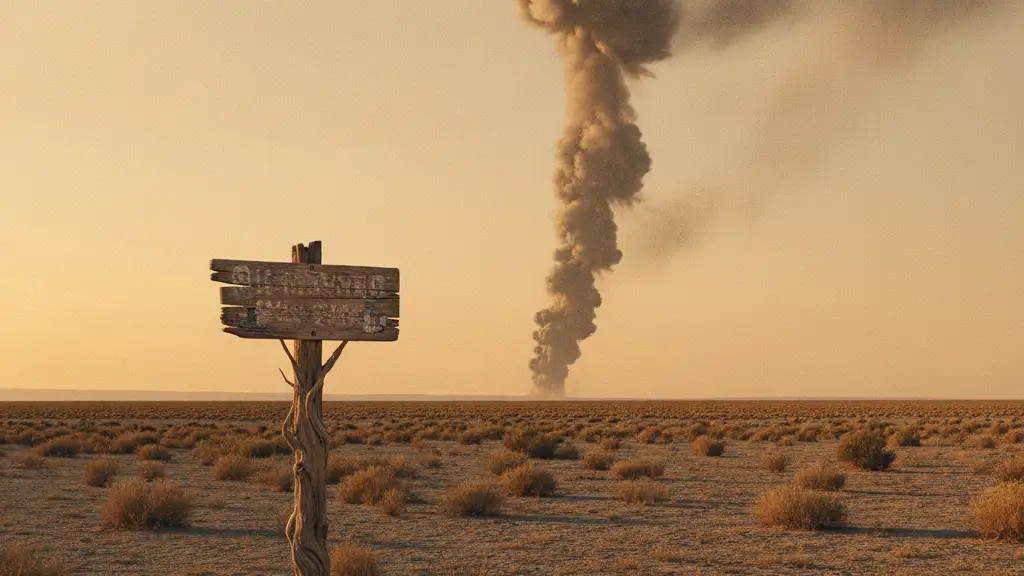
Image: Matt Weston / AI

Carla Rooney
Twelve foreign nationals, including seven Britons, died in the recent wildfires that ravaged Spain's Almería province, leaving a British couple in critical condition.
Simon Batchelor and Lisa Fryett, a British couple, remain in a Spanish hospital, critically injured.
Rescuers pulled them from a mountainside the day after the inferno erupted, their holiday near Bédar and Los Gallardos turning to tragedy.
Their three children traveled to Spain, now maintaining a vigil at their parents' bedside.
A fundraising appeal for the family collected over £46,000, supporting expenses during their parents' arduous recovery.
My mother texted me that evening about evacuating; then all contact ceased.
Beyond the immediate injuries, the fires also claimed the lives of Pete and Fran Gillam, a British couple residing in Bédar, Spain.
Their daughter, Danielle Gillam-Kirton, stated her mother texted her that evening about evacuating; then all contact ceased.
Gillam-Kirton reported no further communication from her parents after that message, prompting a desperate search when calls failed to connect.
The family searched for the couple since Thursday, facing an agonizing wait for news.
A 93-year-old British woman also died from her injuries in the hospital, adding to the grim toll.
Sixty-nine-year-old Annette Kilgore is missing and presumed dead in the Bédar wildfires.
One British man died in his car while attempting to rescue his pets, a friend of his wife confirmed.
Some victims died in their vehicles while fleeing the rapidly advancing flames, caught by the inferno's speed.
Authorities have not yet officially confirmed the identities of those killed, though firefighters brought the flames under control.
Residents returned to their homes, confronting the aftermath of the devastation.
This tragedy echoes the devastating wildfires that have plagued Spain in recent years, often exacerbated by prolonged droughts and rising temperatures.
The 2022 wildfire season saw over 300,000 hectares burned across the country, a stark reminder of escalating climate challenges.
The economic impact on the Almería province will be substantial, affecting local agriculture and the vital tourism sector.
Businesses reliant on the natural landscape face significant rebuilding efforts and potential long-term losses.
Local authorities and emergency services, including the Unidad Militar de Emergencias (UME), mobilized thousands of personnel to combat the blazes.
Their efforts prevented even greater loss of life and property, working under extreme conditions to contain the inferno.
The public response, both locally and internationally, highlights deep concern for those affected.
The outpouring of support, exemplified by the £46,000 raised for the Batchelor-Fryett family, demonstrates a collective desire to aid recovery.
Moving forward, the focus shifts to investigating the precise circumstances of the electrical cable failure and implementing more robust preventative measures.
This includes reviewing infrastructure in high-risk areas and enhancing early warning systems to mitigate future risks.
The long-term landscape for communities like Bédar and Los Gallardos involves adapting to a future with increased wildfire risk.
This necessitates strategic land management, community preparedness programs, and international cooperation on climate resilience.
The human cost of these fires extends beyond the immediate fatalities and injuries, leaving deep psychological scars on survivors and first responders.
The process of healing and rebuilding will be extensive, requiring sustained support for the affected populations.
Communities nestled in natural landscapes face vulnerability, particularly as global climate patterns intensify.
The lessons learned from this tragedy will undoubtedly inform future disaster response and prevention strategies across Europe.