Tourist Dies in Bayahibe Resort Fire, 1,700 Evacuated
Blaze at **Viva Dominicus Beach by Wyndham** resort claims life of Italian national, prompts urgent safety reviews.

Sarah Connor
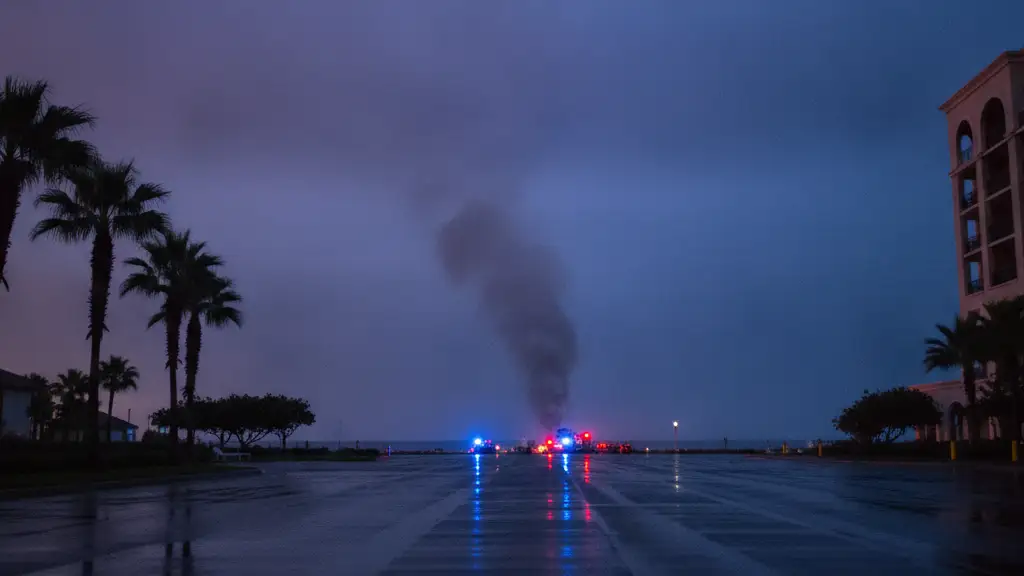
A fire at the Viva Dominicus Beach by Wyndham resort in Bayahibe, Dominican Republic, killed one woman and forced the evacuation of approximately 1,700 tourists.
The contained blaze killed Francesca Valentino, a 46-year-old Italian tourist. Paramedics treated six individuals at the scene, while three others required hospital care.
Strong winds and thatched roofs propelled the fire's rapid spread, the Dominican Republic's Emergency Operations Centre (COE) confirmed. Preliminary findings indicate these conditions accelerated the conflagration across the resort complex.
The resort's thatched roofs, common in the region, fueled the quick expansion of the flames. This traditional material presents a significant fire risk.
Decades of development transformed Bayahibe from a small fishing village into a major tourist destination, attracting millions annually.
Beyond the immediate tragedy, decades of development transformed Bayahibe from a small fishing village into a major tourist destination, attracting millions annually. This incident highlights the region's tourism sector, which historically relies on its coastal resorts.
Past events in similar Caribbean resort structures show flames consuming such materials rapidly. Coastal winds often exacerbate this rapid consumption.
This incident intensifies an ongoing debate among stakeholders regarding building codes and safety protocols in tourist-heavy regions. Local authorities face considerable pressure.
The tourism industry, prioritizing aesthetic and traditional designs, and public safety advocates demanding stricter fire-resistant materials, exert pressure. This tension defines the current situation.
Bayahibe's economic landscape relies heavily on tourism; resorts like Viva Dominicus Beach serve as major employers and revenue generators. Maintaining this economic engine remains paramount.
The Dominican Republic's tourism industry, a cornerstone of its economy, generated over $8.4 billion in 2022. The nation welcomed more than 7 million tourists last year.
The local economy grapples with balancing the preservation of the region's natural charm with implementing modern safety standards. This challenge defines the current situation.
The current investigation will identify the exact ignition point and any contributing factors beyond the rapid spread. Authorities have not yet released details regarding the fire's spark.
Meanwhile, the neighboring Viva Wyndham Dominicus Palace resort sustained no damage and continues to operate normally. Tourist activities throughout Bayahibe and the surrounding areas proceed without interruption.
This incident places resort safety standards across the Caribbean under renewed scrutiny. Industry leaders face calls to review and update fire prevention measures.
These calls specifically target properties utilizing traditional building materials. Public confidence in resort safety constitutes a critical element for the Dominican Republic's tourism future.
These calls specifically target properties utilizing traditional building materials. Public confidence in resort safety constitutes a critical element for the Dominican Republic's tourism future.
Maintaining a perception of security directly influences booking rates and visitor numbers. The government previously implemented initiatives to enhance safety.
These initiatives include a 2018 mandate for updated fire suppression systems in all new resort constructions. This current investigation will assess compliance and existing infrastructure.
The long-term operational status for the Viva Dominicus Beach by Wyndham resort remains uncertain. Rebuilding efforts and operational timelines will depend on the investigation's findings and subsequent regulatory actions.
The widespread use of traditional building materials, while culturally significant, now faces intense re-evaluation. This re-evaluation extends beyond Bayahibe, impacting similar resort developments across the tropical belt.
Future safety protocols for resort construction and emergency response will likely face scrutiny as a result of this tragedy. The investigation seeks to understand the exact sequence of events that led to the early-morning blaze.